
Have you ever noticed tiny scratches or chips on your car’s paint that slowly ruin its shine? You want your car to look new and stay protected, but daily wear and tear can be frustrating.
That’s where paint protection film for your car comes in. This clear, durable layer acts like a shield, keeping your paint safe from damage without changing how your car looks. If you care about maintaining your car’s appearance and value, understanding paint protection film is a must.
Keep reading to discover how this simple solution can save you time, money, and stress.
Credit: onyxcoating.com
What Paint Protection Film Does
Paint Protection Film (PPF) is a clear layer applied to a car’s paint. It helps keep the car’s surface safe from damage.
This film is strong and flexible. It works as a shield to protect the paint underneath.
Guarding Against Scratches
PPF guards your car from scratches caused by small objects or brushes. It stops marks that can ruin the paint.
The film absorbs light scratches and helps the paint stay smooth and clean.
Shielding From Road Debris
Road debris like stones and sand can chip car paint. Paint Protection Film acts as a barrier against these dangers.
It reduces damage from flying rocks and dirt while driving, keeping the paint intact.
Resisting Chemical Stains
PPF resists stains from chemicals like bird droppings, tree sap, and road salt. These can harm paint if left untreated.
The film helps prevent these substances from soaking into the paint, making cleaning easier.
Protecting Paint From Uv Damage
Sunlight can fade and dull car paint over time. Paint Protection Film blocks harmful UV rays from reaching the surface.
This protection helps keep the paint’s color bright and fresh for longer periods.
Types Of Paint Protection Film
Paint Protection Film (PPF) helps keep a car’s paint safe from scratches and damage. It comes in different types to match your needs and style.
Each type offers a unique look and level of protection. Let’s explore the common kinds of PPF available for cars.
Glossy Vs Matte Finishes
Glossy films add shine and make the car’s paint look bright. Matte films give a flat, smooth look without shine. Both protect the paint but change how the car looks.
- Glossy Finish:Reflects light, looks shiny and new.
- Matte Finish:No shine, offers a modern, sleek style.
- Choice:Depends on your style and the car’s color.
Self-healing Films
Self-healing films can repair small scratches on their own. Heat from the sun or engine helps the film return to its original smooth surface. This keeps the car looking good longer.
Clear Bra Options
| Type | Description | Use |
| Full Clear Bra | Covers the whole car for full protection. | Best for new cars or full coverage. |
| Partial Clear Bra | Protects key areas like the hood and mirrors. | Good for everyday protection on high-impact spots. |
| Custom Clear Bra | Fits specific parts only, like bumpers or fenders. | Used for targeted protection. |
Colored And Textured Films
Colored and textured films change the car’s look while protecting it. These films can add style with different colors or textures like carbon fiber.
- Colored films come in many shades to match or change paint color.
- Textured films add patterns, such as matte, satin, or carbon fiber looks.
- They protect paint and give a unique style to the car.
Installation Process
Installing paint protection film on your car takes careful steps. The process ensures the film sticks well and protects your paint.
Each part of the process matters. It starts with preparing the surface and ends with letting the film cure properly.
Surface Preparation
The car surface must be clean and smooth before applying the film. Any dirt or dust can cause bubbles or weak spots.
- Wash the car thoroughly to remove all dirt.
- Use a clay bar to remove small particles.
- Dry the surface completely with a microfiber cloth.
- Remove any wax or grease using a suitable cleaner.
Applying The Film
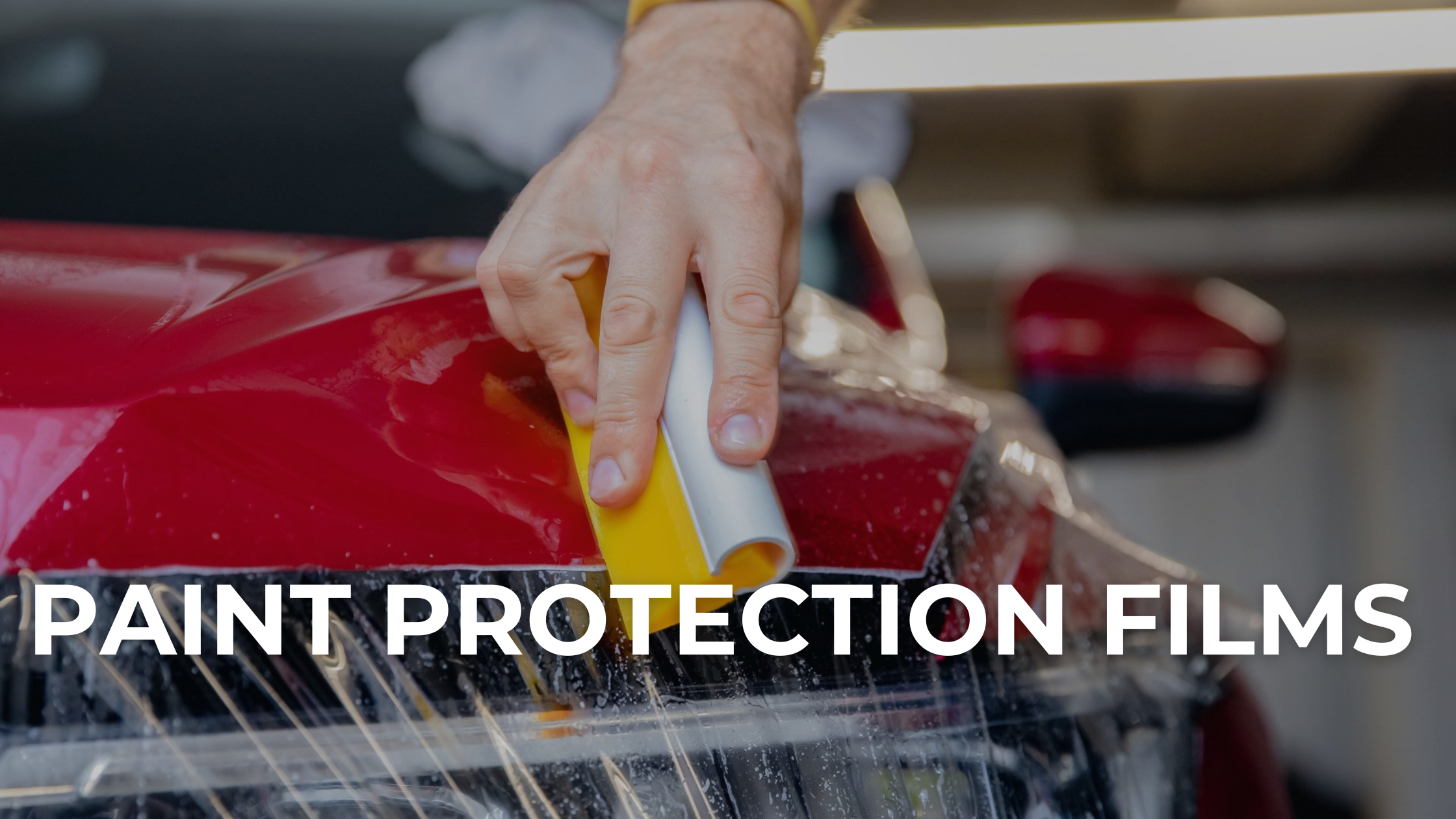
The film is carefully placed on the car’s surface. It needs to be aligned and smoothed to avoid wrinkles.
Special tools like squeegees help push out air bubbles and water under the film.
Trimming And Edging
After placing the film, excess material is trimmed to fit the car’s edges perfectly. This keeps the film neat and secure.
| Trimming Tool | Purpose |
|---|---|
| Precision Knife | Cut film along tight curves and edges |
| Heat Gun | Softens film to fit complex shapes |
| Edge Sealer | Protects film edges from peeling |
Curing Time And Care
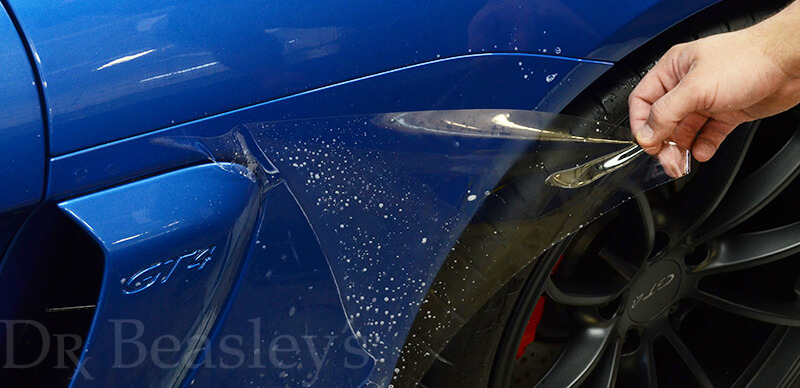
The film needs time to bond fully to the car’s paint. Curing can take several days depending on conditions.
- Keep the car in a dry, shaded area during curing.
- Avoid washing the car for at least 48 hours.
- Do not touch or peel the edges while curing.
- Check for any bubbles and gently smooth them out if possible.
Credit: www.drbeasleys.com
Maintenance Tips
Paint Protection Film (PPF) helps keep your car’s paint safe. Proper care keeps the film clear and strong for years.
Follow simple steps to clean, avoid damage, and fix small issues with the film.
Cleaning Techniques
Use gentle cleaning to protect the film’s surface. Avoid harsh chemicals that can dull or damage it.
Wash your car with a soft cloth or sponge and mild soap mixed with water. Rinse well with clean water.
- Use a microfiber cloth for drying to avoid scratches
- Do not use abrasive brushes or scrubbers
- Clean bugs and dirt quickly to prevent stains
Avoiding Damage
Drive carefully to reduce risk of damage from stones or debris. Keep distance from other vehicles on highways.
Do not use automatic car washes with stiff brushes. These can scratch or lift the edges of the film.
- Park in shaded areas to avoid heat damage
- Do not stick decals or tape on the film
- Avoid strong chemicals like solvents or gasoline
Repairing Minor Defects
Small scratches or bubbles can sometimes be fixed at home. Use warm water and a soft cloth to smooth bubbles.
For light scratches, use a plastic polish made for PPF. Do not use harsh compounds that may harm the film.
- Clean area before repair
- Apply polish gently with a microfiber cloth
- Test on a small spot first
- Seek professional help for big damage
Benefits Of Paint Protection Film
Paint Protection Film (PPF) is a clear, durable layer applied to cars. It shields car paint from damage.
This film is like a safeguard for your car’s appearance. It ensures your car looks new for years.
Enhancing Resale Value
Cars with Paint Protection Film often sell for more. The film keeps the paint in great condition.
Buyers prefer cars without scratches or chips. A well-protected car can have a higher resale value.
- Protects against minor scratches
- Prevents paint fading
- Maintains car’s original look
Cost-effective Protection
Paint repairs can be expensive. PPF reduces the need for frequent touch-ups.
The film acts as a barrier against road debris and harsh weather. It saves money in the long run.
| Protection Type | Cost Savings |
| Scratch Prevention | Lower repair costs |
| UV Protection | No repainting needed |
Preserving Original Paint
PPF keeps the car’s original paint intact. It protects from elements like sun, rain, and bird droppings.
This helps the car maintain its factory finish. Preserving paint is important for car enthusiasts.
- Prevents discoloration
- Guards against chemical stains
- Keeps paint shiny and fresh
Long-term Durability
Paint Protection Film is designed to last. It can endure daily wear and tear for many years.
This long-lasting protection means fewer worries for car owners. It ensures the car looks great over time.
Common Misconceptions
Paint protection film (PPF) is often misunderstood by car owners. Many myths exist about how it looks and lasts on vehicles.
Clearing up these misconceptions helps people make better choices about protecting their cars.
Film Visibility Concerns
Some think paint protection film is easy to see on the car. They worry it will look like a sticker or tape.
Good quality film is very thin and clear. It blends with the car’s paint and is hard to notice.
- High transparency makes the film almost invisible
- Edges are trimmed carefully to avoid lifting or showing
- Proper installation ensures smooth, clear coverage
Impact On Car Appearance
Many believe paint protection film changes how a car looks. Some think it will dull or alter the paint.
In truth, PPF keeps the paint safe and shiny. It does not change the original color or gloss of the vehicle.
- Maintains the car’s factory shine
- Protects paint from scratches and chips
- Does not yellow or cloud when applied correctly
Longevity Myths
Some think paint protection film only lasts a short time. They believe it peels or breaks down quickly.
Quality films can last many years if cared for. They resist damage from weather and daily wear.
- High-grade films last 5 to 10 years
- Proper cleaning extends film life
- UV resistance prevents fading and yellowing
Choosing The Right Film
Paint Protection Film (PPF) keeps your car looking new. It shields the paint from scratches and damage. Picking the right film is important for your car’s needs.
Different films offer varying levels of protection and appearance. Consider your car’s use, your budget, and installation options when choosing a film.
Matching Film To Vehicle Use
Think about how you use your car. Daily drivers need strong protection. Cars for special occasions might need a film that enhances their look.
- Daily use: Choose durable films
- Show cars: Opt for glossy, clear films
- Off-road: Pick thicker, robust films
Budget Considerations
Your budget affects your film choice. High-quality films cost more but last longer. Budget-friendly options offer basic protection.
- High budget: Opt for premium, long-lasting films
- Medium budget: Choose balanced protection and cost
- Low budget: Consider basic, affordable films
Professional Vs Diy Installation
Professional installation ensures a perfect fit. DIY saves money but needs skill. Decide based on your confidence and resources.
- Professional: Higher cost, expert finish
- DIY: Lower cost, requires time and effort

Credit: goldwingautocare.com
Frequently Asked Questions
What Is Paint Protection Film For Cars?
Paint protection film is a clear, durable layer applied to car surfaces. It guards against scratches, chips, and stains, preserving the paint’s appearance.
How Long Does Paint Protection Film Last?
High-quality paint protection film typically lasts 5 to 10 years. Its longevity depends on maintenance and environmental exposure.
Does Paint Protection Film Affect Car Appearance?
No, paint protection film is transparent and designed to enhance the car’s shine while keeping the paint pristine.
Can Paint Protection Film Be Removed Easily?
Yes, paint protection film can be safely removed without damaging the original paint, usually by professional installers.
Conclusion
Paint Protection Film helps keep your car’s paint safe and shiny. It stops scratches, dirt, and small damages from hurting the surface. The film is clear and does not change your car’s look. It lasts a long time and saves money on repairs.
Many car owners trust this film for easy, strong protection. Think of it as a shield for your car’s beauty. Choosing Paint Protection Film means less worry and more pride in your vehicle. Simple, smart care that works every day.







