
Are you wondering if using a radar detector is legal in California? Knowing the laws around radar detectors can save you from costly fines and trouble on the road.
Whether you’re a daily commuter or a road trip lover, understanding these rules is crucial for your safety and peace of mind. You’ll discover exactly what California law says about radar detectors and how to stay on the right side of it.
Keep reading to protect yourself and your vehicle from unexpected penalties.
Radar Detector Legality In California
Radar detectors are devices that warn drivers about speed detection tools. Many drivers want to know if these devices are legal in California. The rules about radar detectors vary by state.
This guide explains the current legal status of radar detectors in California. It also compares the laws with other states and explains penalties for breaking the rules.
Current Legal Status
Radar detectors are legal for use in private vehicles in California. Drivers can own and use these devices inside cars. However, commercial vehicles have different rules.
California law does not ban radar detectors in passenger cars. Still, drivers should use them carefully and follow all traffic laws.
Differences From Other States
California allows radar detectors in private cars but some states do not. For example, Virginia and Washington D.C. ban radar detectors for all vehicles. Commercial trucks also face more restrictions nationwide.
- California: Radar detectors allowed in private cars
- Virginia: Radar detectors banned
- Washington D.C.: Radar detectors banned
- Commercial trucks: Radar detectors usually banned
Penalties For Violations
Using radar detectors in banned vehicles can cause fines. In California, private drivers face no penalties for radar detector use. Commercial drivers caught with radar detectors may face penalties.
Penalties in other states include fines and vehicle equipment confiscation. Always check local laws before using a radar detector outside California.

Credit: www.vortexradar.com
Types Of Radar Detectors Allowed
California has specific rules about radar detectors. Knowing which types you can use helps you follow the law.
This guide explains the types of radar detectors allowed in California. It covers portable devices, built-in systems, and mobile apps.
Portable Devices
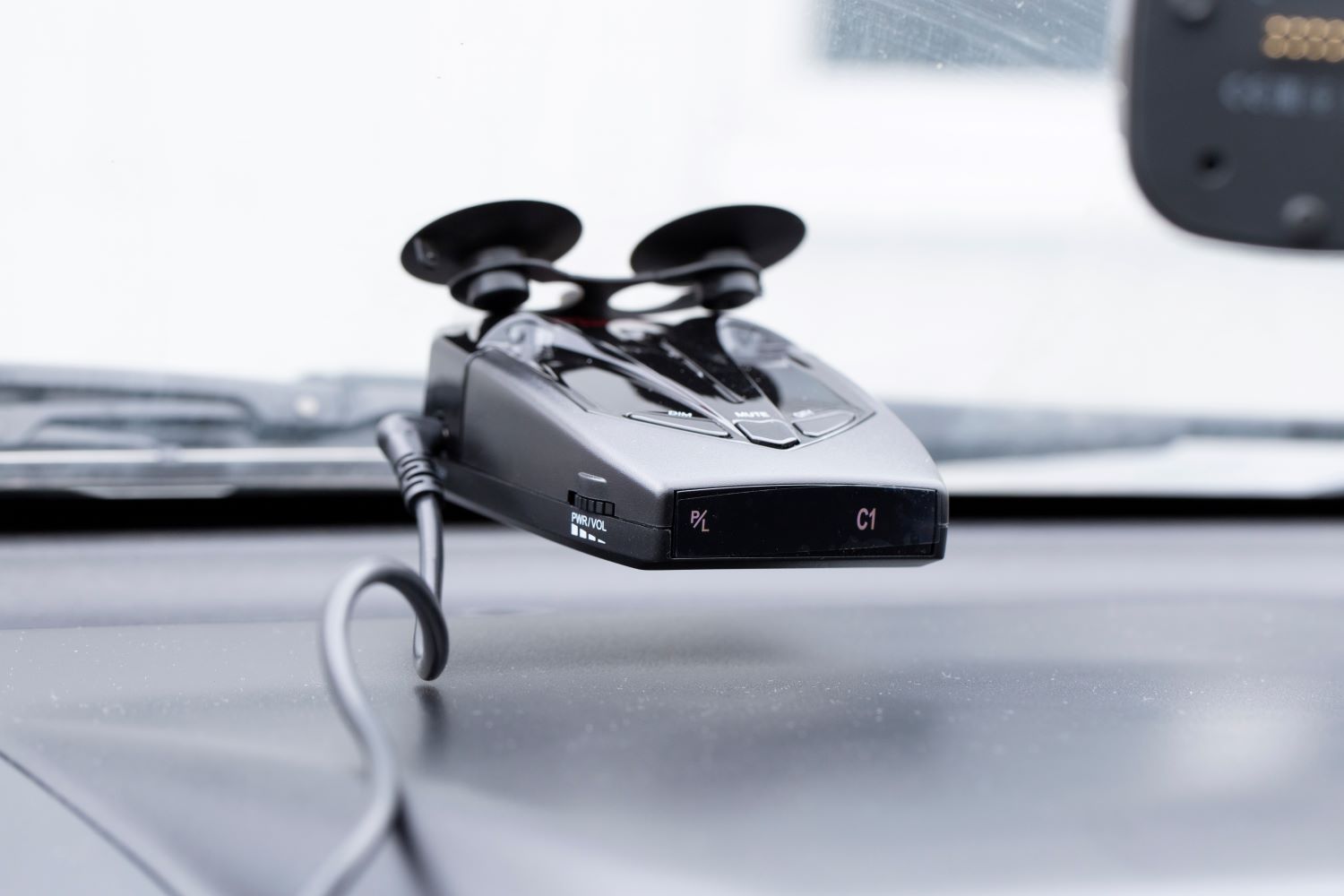
Portable radar detectors are small devices you can move between vehicles. They plug into your car’s cigarette lighter or attach to the windshield.
In California, portable radar detectors are legal for private vehicles. You can carry and use these devices without trouble.
- Easy to install and remove
- Works in many types of cars
- Common choice for drivers
Built-in Systems
Built-in radar detector systems are installed inside a car during manufacturing or aftermarket upgrades. They are hidden and part of the vehicle’s electronics.
California allows these built-in systems in private cars. They must not interfere with police radar or emergency signals.
- Integrated into the car
- Less visible to others
- Usually more expensive than portable devices
Mobile Apps
Mobile apps that detect radar signals use your phone’s GPS and data. They warn about speed traps and radar locations nearby.
California does not ban the use of radar detector apps. You can use these apps on your smartphone while driving.
- Use GPS to find radar locations
- Require internet or map data
- Easy to update with new information
Use Restrictions And Limitations
Radar detector laws in California set clear rules about their use. These rules protect public safety and law enforcement work. Understanding these restrictions helps drivers avoid fines and legal trouble.
This guide explains key limitations on radar detector use in California. It covers commercial vehicle rules, usage while driving, and interference with law enforcement.
Commercial Vehicle Rules
California law bans radar detectors in commercial vehicles over 10,000 pounds. This rule applies to trucks, buses, and other large vehicles. Drivers must not use or carry detectors in these vehicles.
- Radar detectors are illegal in all commercial vehicles weighing over 10,000 pounds.
- Employers may enforce strict policies against radar detector use.
- Violations can lead to fines and penalties for both drivers and companies.
Usage While Driving
Using radar detectors while driving in California is legal for private vehicles. Still, drivers must use them responsibly. Reckless or distracted use may lead to traffic violations or accidents.
| Allowed Use | Restrictions |
| Private passenger vehicles | Use allowed, no distractions |
| Commercial vehicles over 10,000 pounds | Use banned by law |
| Use near law enforcement officers | Must not interfere with their work |
Interference With Law Enforcement
Radar detectors must not block or interfere with police radar or communication devices. Tampering with law enforcement equipment is illegal and can cause serious penalties.
Key points about interference:
- Do not use devices that jam police radar signals.
- Avoid any actions that disrupt law enforcement communications.
- Interference can lead to criminal charges and heavy fines.
Technological Advances Impacting Radar Detectors
Radar detectors have changed a lot due to new technology. These changes help drivers stay aware of speed monitoring devices.
Let’s look at some of the key tech advances that affect how radar detectors work in California.
New Detection Technologies
Modern radar detectors use better sensors to find radar and laser signals. These sensors can detect signals faster and more accurately than before.
- Advanced signal processing helps reduce missed alerts.
- Some detectors can now identify different types of radar bands.
- New sensors also help detect laser speed guns used by police.
Gps Integration
Many radar detectors now include GPS features. This lets the device know your location and warn you about fixed speed cameras and red light cameras.
| Feature | Benefit |
| Speed Camera Alerts | Warns drivers near known camera spots |
| Location Memory | Remembers false alert spots to reduce warnings |
| Route Tracking | Tracks your path for better alert accuracy |
False Alert Reduction
False alerts have been a problem for radar detector users. New tech helps lower these false alarms.
- Filtering software blocks signals from automatic doors and other non-police sources.
- GPS data helps ignore alerts in places known for false signals.
- User updates allow sharing false alert locations to improve the system.
Legal Alternatives To Radar Detectors
Radar detectors are illegal in California. Drivers need other ways to stay aware of speed limits and avoid tickets.
This guide shows legal tools and resources that help drivers stay safe and follow the law.
Speed Limit Awareness Tools
Speed limit awareness tools help drivers know the current speed limit. These tools use GPS to show limits on the road.
They alert drivers when they go above the speed limit. This helps avoid speeding tickets and keeps roads safer.
- GPS devices with speed limit display
- Car navigation systems showing speed limits
- Speed warning devices that beep when speeding
Safe Driving Apps
Safe driving apps promote better habits behind the wheel. They track speed and driving patterns without using radar signals.
These apps give feedback to help drivers improve safety. Many apps also offer alerts for speed limits and school zones.
- Apps that track your speed and alert you
- Apps showing real-time speed limits
- Apps with reminders for safe driving breaks
Driver Education Resources
Driver education resources teach safe driving skills. Learning rules and good habits reduces the chance of speeding.
Many programs offer online courses and videos. These help drivers understand speed laws and avoid risky behavior.
- Online driver safety courses
- Educational videos on speed limits
- Workshops on safe driving techniques

Credit: www.wikiwand.com
Tips For Radar Detector Users In California
Using a radar detector in California can help you avoid speeding tickets. Knowing the rules and using your device correctly is important.
This guide gives you tips on proper installation, avoiding mistakes, and staying updated on laws.
Proper Installation
Installing your radar detector correctly is key for it to work well. Place it where it can easily detect signals.
- Mount the detector high on the windshield
- Avoid placing it behind metal objects
- Ensure it has a clear view of the road
Avoiding Common Mistakes
Many users make mistakes that reduce their detector’s effectiveness. Here are some to avoid.
| Mistake | Solution |
| Ignoring false alerts | Adjust sensitivity settings |
| Not updating firmware | Check for updates regularly |
| Improper mounting | Follow manufacturer’s instructions |
Staying Updated On Laws
Radar detector laws can change. It’s important to know the current laws in California.
Credit: www.carparts.com
Frequently Asked Questions
Are Radar Detectors Legal In California?
Radar detectors are legal in private vehicles in California. However, using them in commercial vehicles over 10,000 pounds is illegal. Always ensure your radar detector does not obstruct your view while driving.
Can Police Confiscate Radar Detectors In California?
Police can confiscate radar detectors if used illegally in commercial vehicles. For private vehicles, confiscation is rare unless used in violation of specific laws. It’s essential to comply with all regulations to avoid issues.
Is It Illegal To Use Laser Jammers In California?
Yes, laser jammers are illegal in California for all vehicles. Using them can lead to fines and penalties. Radar detectors are allowed, but jammers are prohibited to prevent interference with law enforcement.
Do California Laws Differ For Radar Detector Use At Night?
No, California laws regarding radar detectors apply equally day and night. The legality does not change based on the time of day. Drivers must follow all regulations at all times.
Conclusion
California radar detector laws restrict their use in many ways. Drivers must know the rules before buying or using one. Violating these laws can lead to fines or other penalties. Staying informed helps you avoid trouble on the road. Always check local laws as rules may change.
Safety and awareness remain the top priorities for all drivers. Understanding these laws keeps you responsible and legal. Drive smart, stay safe, and follow the law.







