
Your car’s leather seats add a touch of luxury and comfort, but keeping them spotless can be tricky. You want a cleaner that protects the leather without drying it out or causing damage.
Choosing the best thing to clean leather seats in your car is key to maintaining their look and feel for years. You’ll discover simple, effective solutions that work wonders, so your seats stay soft, shiny, and fresh. Keep reading to find out how to treat your leather right—your car deserves it!

Credit: www.amazon.com
Choosing The Right Cleaner
Cleaning leather seats in your car needs care. Picking the right cleaner keeps seats soft and strong.
Not all cleaners work well on leather. Use safe products to avoid damage or discoloration.
Types Of Leather Cleaners
Leather cleaners come in many forms. Some are sprays, others are creams or wipes.
- Foam cleaners: Light and easy to apply.
- Cream cleaners: Good for deep cleaning and conditioning.
- Wipes: Convenient for quick cleaning.
- Sprays: Spread evenly but may dry quickly.
Natural Vs. Chemical Cleaners
Natural cleaners use plant oils and water. They are gentle but may clean less deeply.
Chemical cleaners have stronger ingredients. They clean well but can dry out leather if used too much.
| Cleaner Type | Pros | Cons |
| Natural | Gentle on leather | May not remove tough stains |
| Chemical | Effective deep cleaning | Can cause dryness or damage |
Ph Levels And Leather Safety
Leather needs cleaners with balanced pH. Too acidic or too alkaline cleaners harm leather.
Ideal pH range for leather cleaners:
- pH 4 to 6 is safe
- Below 4 can cause leather to weaken
- Above 6 can dry out leather fibers
Check product labels for pH info before use.
Essential Tools For Cleaning
Cleaning leather seats in your car needs the right tools. Using proper items helps keep the leather soft and damage-free.
Below are the main tools you need to clean leather seats safely and well.
Soft Cloths And Microfiber Towels
Soft cloths and microfiber towels are gentle on leather. They help remove dirt without scratching the surface.
- Use clean, dry microfiber towels for wiping dust.
- Damp microfiber cloths help remove light stains.
- Avoid rough fabrics to prevent damage.
- Always use soft cloths for drying after cleaning.
Brushes For Tough Stains
Some stains need a brush to get cleaned properly. Choose brushes with soft bristles to protect leather.
| Brush Type | Use | Leather Safety |
| Soft-bristle Brush | Light scrubbing | Safe |
| Foam Brush | Apply cleaner gently | Very Safe |
| Hard-bristle Brush | Heavy dirt removal | Not Recommended |
Spray Bottles And Applicators
Spray bottles help apply cleaners evenly. Applicators spread the cleaning product without soaking leather.
- Use a spray bottle to mist cleaner lightly on seats.
- Foam applicators help spread cleaner gently.
- Choose bottles with fine spray for even coverage.
- Keep applicators clean to avoid dirt transfer.
Step-by-step Cleaning Process
Cleaning leather seats in your car keeps them looking good and lasting longer.
This guide shows how to clean leather seats safely and well.
Preparing The Seats
Start by removing any loose dirt or debris on the seats.
- Use a soft brush or vacuum cleaner with a brush attachment
- Focus on seams and cracks where dirt hides
- Wipe the surface gently with a dry microfiber cloth
Applying The Cleaner
Choose a leather cleaner made for car seats to avoid damage.
Apply the cleaner in small amounts using a soft cloth or sponge.
Tip:Test the cleaner on a hidden area first. Wait 5 minutes to check for color change.
Removing Dirt And Stains
Gently rub the cleaner into the leather with a soft cloth in small circles.
- Focus on stained or dirty areas without scrubbing hard
- Use a clean damp cloth to wipe off the cleaner and dirt
- Repeat if stains remain, but do not over-wet the leather
Drying The Leather
After cleaning, dry the seats using a dry microfiber cloth.
| Drying Method | Details |
| Air Dry | Leave car doors open to let leather dry naturally |
| Cloth Dry | Use soft cloth to gently absorb moisture |
| Avoid | Direct sunlight or heat sources that can dry out leather |
Dealing With Stubborn Stains
Leather seats add luxury to your car, but stains can spoil their look. Some stains are hard to remove and need special care.
Using the right cleaning method keeps leather soft and damage-free. Learn how to clean tough stains safely.
Ink And Dye Stains
Ink and dye stains are common and tricky on leather. They can soak in quickly and leave marks.
Use a soft cloth with rubbing alcohol to dab the stain gently. Avoid rubbing hard to stop spreading the ink.
- Test rubbing alcohol on a hidden spot first
- Dab the stain lightly, do not rub
- Use a clean cloth to absorb the ink
- Apply leather conditioner after cleaning
Oil And Grease Spots
Oil and grease stains can come from food or car repairs. They leave dark, sticky spots on leather.
Sprinkle baking soda or cornstarch on the spot to soak up oil. Let it sit for a few hours, then brush off gently.
- Apply baking soda or cornstarch generously
- Wait 2-3 hours to absorb oil
- Brush off powder with a soft brush
- Wipe with a damp cloth and dry
Mold And Mildew
Mold and mildew grow on leather in damp places. They create spots and a bad smell.
Mix equal parts water and white vinegar. Use a soft cloth to wipe affected areas. Let leather dry in fresh air.
- Mix 50% water and 50% white vinegar
- Wipe mold spots with the solution
- Dry leather completely in open air
- Apply leather conditioner to keep soft
Conditioning And Protecting Leather
Leather seats add luxury to your car interior. They need care to stay soft and last long.
Conditioning helps keep leather seats from drying out and cracking. Protecting them keeps dirt and damage away.
Choosing The Right Conditioner
Select a conditioner made for car leather. It should clean, hydrate, and protect without harming the material.
- Use a pH-balanced product to avoid damage
- Pick a conditioner with natural oils for softness
- Avoid products with harsh chemicals or waxes
- Check for UV protection to prevent fading
Application Techniques
Apply conditioner carefully to keep leather smooth and shiny. Follow these steps for best results.
- Clean seats with a soft brush or cloth
- Test conditioner on a small hidden spot
- Use a microfiber cloth to apply conditioner evenly
- Allow conditioner to soak in for 10-15 minutes
- Buff gently with a dry cloth to remove excess
Maintaining Softness And Shine
Regular care keeps leather soft and looking new. Avoid damage by following these tips.
| Care Tip | Reason |
| Clean spills immediately | Prevents stains and damage |
| Condition leather every 3 months | Maintains moisture and flexibility |
| Park in shade or use seat covers | Protects from sun damage |
| Vacuum seats regularly | Removes dirt and dust |
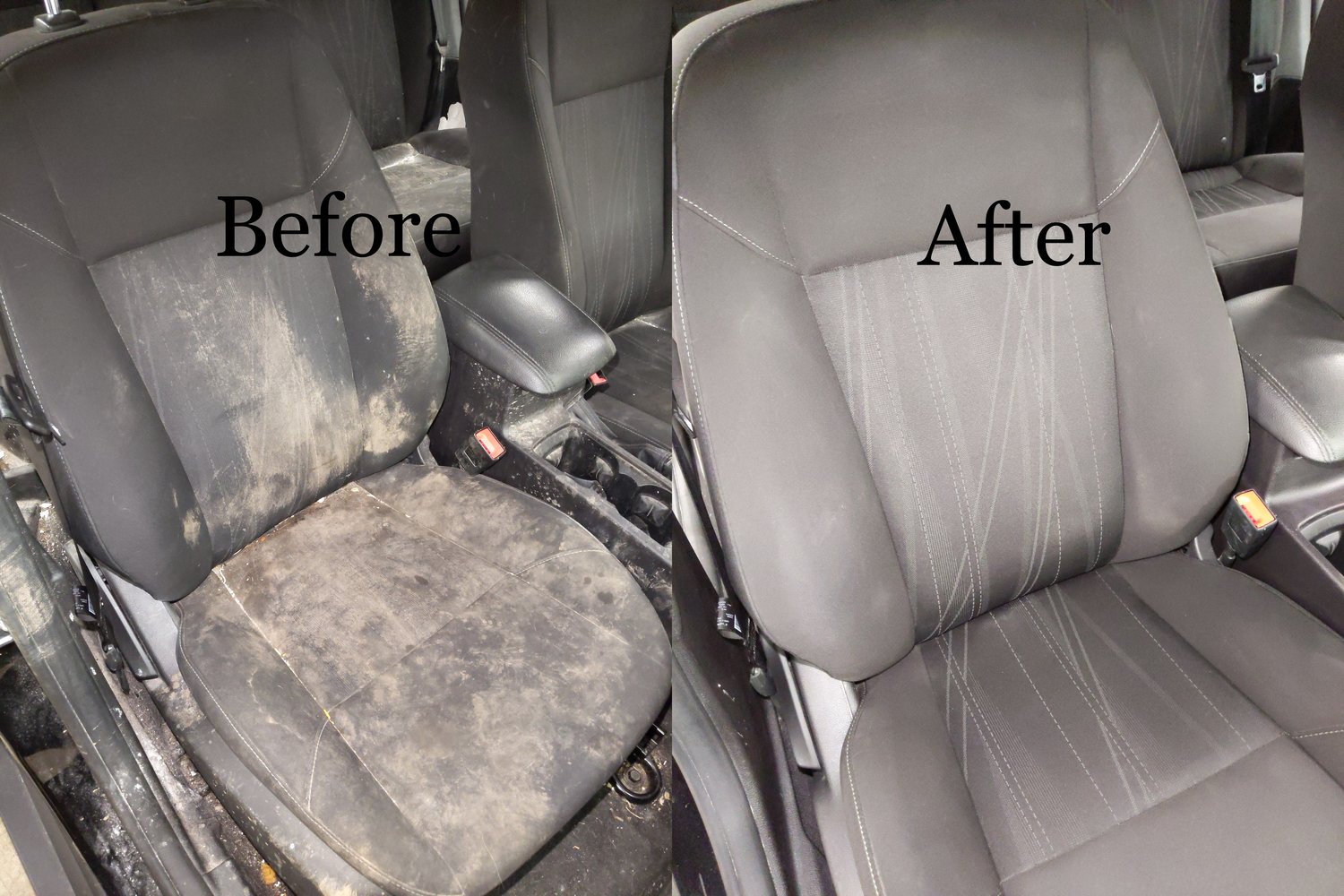
Credit: www.drivebydetail.net
Preventive Care Tips
Keeping leather seats in good condition enhances your car’s interior. Preventive care is key to maintaining their beauty and durability.
Adopting the right habits can protect leather from damage and wear. Consider these tips to prolong the life of your seats.
Regular Cleaning Schedule
A regular cleaning schedule is crucial for leather seat care. Dirt and grime can cause damage over time.
- Wipe seats with a damp cloth weekly.
- Use a leather cleaner monthly.
- Condition the leather every three months.
Avoiding Sun Damage
Sun exposure can fade and crack leather seats. Protect them from harmful UV rays with these strategies.
Consider parking your car in shaded areas or using a sunshade. This reduces direct sunlight on the leather.
Using Seat Covers
Seat covers provide an extra layer of protection. They prevent spills and stains from reaching the leather.
| Material | Benefits |
| Cloth | Easy to wash, affordable |
| Leather | Matches car interior, durable |
| Neoprene | Water-resistant, protective |

Credit: www.amazon.com
Frequently Asked Questions
What Is The Best Cleaner For Leather Car Seats?
The best cleaner for leather car seats is a pH-balanced leather cleaner. It gently removes dirt without damaging the leather or causing dryness.
How Often Should I Clean Leather Seats In My Car?
Clean leather car seats every 3 months to maintain their appearance. Regular cleaning prevents stains and keeps the leather soft and supple.
Can I Use Household Cleaners On Leather Car Seats?
No, household cleaners can damage leather seats. Use specially formulated leather cleaners to avoid discoloration and drying out the leather.
How Do I Protect Leather Seats After Cleaning?
After cleaning, apply a leather conditioner to protect seats. It restores moisture, prevents cracks, and keeps leather soft and durable.
Conclusion
Cleaning leather seats in your car keeps them looking fresh and lasts longer. Use gentle cleaners made for leather to avoid damage. Soft cloths help remove dirt without scratching. Regular care stops cracks and stains from forming. Simple steps protect your investment and improve comfort.
Keep your car’s interior neat with easy cleaning habits. Small effort gives big results. Enjoy driving in a clean, comfortable space every day.







