
Are you tired of unexpected speeding tickets ruining your day? Finding a good radar detector can be your best defense on the road.
But with so many options out there, how do you know which one truly works? This guide will help you discover the top radar detectors that fit your needs and keep you alert without breaking your budget. Keep reading to learn how to protect yourself and drive smarter every time you hit the road.
How Radar Detectors Work
Radar detectors help drivers spot police radar signals. These devices alert you when radar is nearby.
They use special technology to find radio waves sent by speed guns. This lets you slow down in time.
Basic Technology
Radar detectors have antennas that catch radar waves. Inside, a receiver scans for these signals.
When radar is detected, the device sends a warning sound or light. This helps drivers react quickly.
Types Of Radar Signals
Police use different radar bands to measure speed. Common types are X, K, and Ka bands.
- X band:Older radar with longer waves, easy to detect.
- K band:More common and harder to spot.
- Ka band:Newest and most difficult to detect.
Some radar detectors can also detect laser signals. These are used in newer speed guns.
Limitations And False Alerts
Radar detectors do not catch all signals. Some police use radar that is hard to detect.
Many devices give false alerts from other sources. Automatic doors and other cars can cause this.
- Microwave motion sensors in stores
- Automatic door openers
- Adaptive cruise control systems
- Other vehicles with radar sensors
Good radar detectors try to reduce false alerts to avoid distraction. Still, drivers must stay alert.
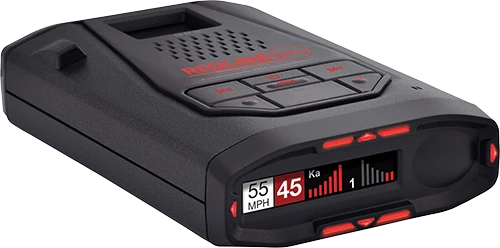
Credit: www.vortexradar.com
Key Features To Consider
Radar detectors help drivers spot speed monitoring devices on the road. Choosing a good one means checking certain important features.
These features affect how well the radar detector works and how easy it is to use. Let’s look at the key features to consider.
Detection Range
Detection range shows how far the radar detector can sense signals. A longer range gives you more time to slow down.
Good detectors should detect signals from a distance, but not too early to cause false alarms.
Sensitivity Settings
Sensitivity settings let you adjust how strong a signal must be to trigger an alert. This helps reduce false alerts in busy areas.
Some detectors have different modes for city and highway driving to manage sensitivity better.
- High sensitivity for open roads
- Lower sensitivity in cities
- Custom settings for specific needs
Gps Integration
GPS helps the radar detector know your exact location. It can alert you about fixed speed cameras and red-light cameras.
GPS also helps reduce false alarms by learning where false signals often appear.
- Alerts for known speed traps
- Warning zones stored in the detector
- Automatic false alert filtering
Alert Types And Volume
Good radar detectors offer clear alerts through sounds and visuals. You should be able to hear alerts over road noise.
Different alert types help you know the threat level and signal type quickly.
- Multiple alert sounds for different signals
- Adjustable volume levels
- Visual alerts on screen or lights
Display And Interface
The display shows important information like signal strength and type. It should be easy to read while driving.
A simple and clear interface helps you change settings fast and understand alerts without distraction.
- Bright, easy-to-read screen
- Simple menu navigation
- Controls reachable while driving
Top Radar Detectors In 2024
Radar detectors help drivers stay alert to speed checks on the road. They use radio waves to detect radar signals from police devices.
Choosing the right radar detector depends on your budget and needs. Here are top models in three price categories for 2024.
High-end Models
High-end radar detectors offer excellent detection range and many features. They can detect multiple radar bands and provide GPS alerts.
These models often include voice alerts and smartphone app connectivity for updates and settings.
- Long detection range for early warnings
- GPS to mark false alerts
- Multiple radar and laser detection
- Smartphone app support
Mid-range Options
Mid-range radar detectors balance price and features well. They have good detection abilities but fewer extra functions.
These are suitable for most drivers who want reliable detection without high cost.
- Good detection of common radar bands
- Basic GPS for speed camera alerts
- Simple controls and display
- Lower price than high-end models
Budget-friendly Choices
Budget radar detectors provide basic radar alerts at a low cost. They may lack GPS and advanced features.
These models are best for casual drivers who want simple radar detection.
- Detects main radar bands
- Simple alerts and sounds
- Easy to install and use
- Lowest price range
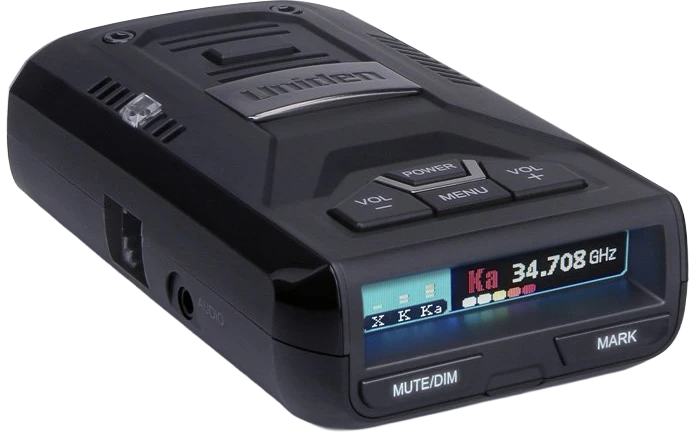
Credit: www.vortexradar.com
Installation And Usage Tips
Using a good radar detector helps drivers stay aware of speed monitoring devices. Proper installation and use improve its accuracy and lifespan. This guide explains key tips for setup and care.
Focus on mounting location, power sources, and regular maintenance. Each factor affects how well the detector works and how long it lasts.
Optimal Mounting Locations
Place the radar detector where it has a clear view of the road. Avoid areas blocked by car parts or tinted windows. A proper position ensures better signal detection.
- Mount on the windshield near the rearview mirror
- Keep it away from dashboard clutter
- Ensure it does not block driver’s sight
- Avoid areas with strong heat or direct sunlight
- Check local laws about detector placement
Power Sources
Radar detectors need a steady power supply. Use a source that is easy to reach but does not interfere with driving safety. Many detectors come with cigarette lighter plugs or hardwire kits.
| Power Source | Advantages | Disadvantages |
| Cigarette Lighter Plug | Easy to connect and remove | Can be unplugged accidentally |
| Hardwire Kit | Permanent power, no loose cables | Requires professional installation |
| Battery Powered | Portable, no wiring needed | Limited runtime, requires charging |
Maintenance And Updates
Keep your radar detector working well by cleaning and updating it regularly. Dust and dirt can reduce sensor performance. Software updates improve detection and reduce false alerts.
- Clean the lens and vents gently with a soft cloth
- Check the user manual for update instructions
- Download firmware updates from the manufacturer’s website
- Test the detector often to ensure proper function
- Store the device in a safe, dry place when not in use
Legal Considerations By Region
Radar detectors are devices used to detect police radar guns. Laws about these devices vary by country and region. Knowing the rules helps you stay legal and avoid fines.
Before using a radar detector, check your local laws. This guide covers where radar detectors are legal, restrictions, and safe driving tips.
Countries Where Radar Detectors Are Legal
Some countries allow radar detectors with no restrictions. These places usually have no laws banning their use in private vehicles.
- United States (except Virginia and Washington D.C.)
- Canada (legal in most provinces except Quebec and Ontario)
- Australia (legal in some states, illegal in others)
- New Zealand
- South Africa
Always check state or provincial laws because rules can differ within a country.
Restrictions And Penalties
Some regions ban radar detectors or limit their use. Using one where it is illegal can lead to fines or equipment confiscation.
- Virginia and Washington D.C. ban all radar detectors.
- Quebec and Ontario restrict radar detector use in Canada.
- Australian states like New South Wales and Victoria have bans.
- Some countries treat radar jammers as illegal.
- Penalties range from small fines to heavy fines and vehicle impoundment.
Penalties may increase if radar detector use leads to unsafe driving or speeding.
Driving Safely With Detectors
Radar detectors do not make you immune to speed limits or traffic laws. Drive carefully and use detectors only as alerts.
- Always obey speed limits and road rules.
- Use radar detectors to stay aware, not to speed.
- Turn off detectors in areas where they are illegal.
- Be alert to other driving hazards, not just radar signals.
- Remember detectors may not catch every radar or laser.
Safe driving helps you avoid accidents and legal trouble, with or without a radar detector.
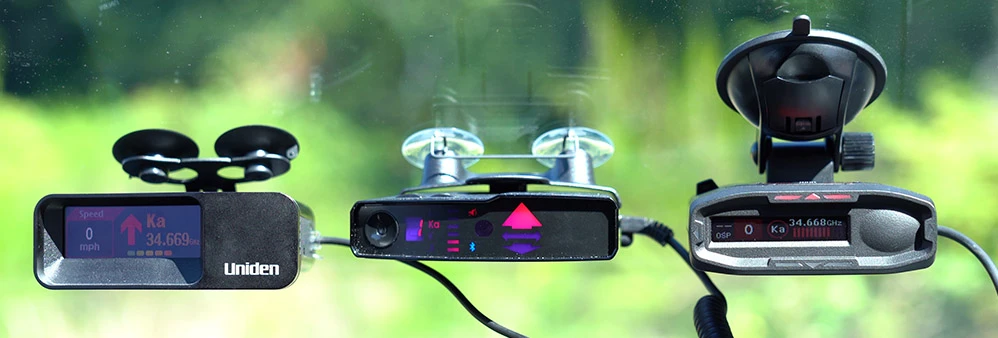
Credit: www.vortexradar.com
Frequently Asked Questions
What Features Make A Radar Detector Good?
A good radar detector has strong signal range, false alert filtering, and GPS functionality. It should detect multiple radar bands and offer user-friendly alerts. Reliability and stealth design are also important for consistent performance.
How Accurate Are Radar Detectors In Detecting Speed Traps?
Radar detectors are generally accurate but can vary by model. High-quality detectors detect signals early with minimal false alarms. Accuracy depends on the detector’s technology and the environment where it is used.
Can Radar Detectors Work In All Weather Conditions?
Yes, most radar detectors work well in various weather conditions. They use radio signals unaffected by rain or fog. However, heavy interference or obstacles may reduce detection range temporarily.
Are Radar Detectors Legal To Use Everywhere?
Radar detector legality varies by country and state. Some regions allow them, while others ban or restrict their use. Always check local laws before using a radar detector to avoid fines.
Conclusion
Good radar detectors help drivers stay aware of speed traps. They alert you early, giving time to slow down. Choose models with clear signals and few false alarms. Consider features like GPS and easy installation. Remember, no detector can guarantee avoiding all tickets.
Use them responsibly and always follow traffic laws. A reliable radar detector supports safer driving habits. It’s a useful tool, not a full solution. Stay alert and drive carefully every time you hit the road.







