
Have you ever noticed an unwanted splash of paint on your car and wondered how to get it off without causing damage? It can be frustrating to see your car’s shiny surface marred by paint, but the good news is that you don’t have to live with it.
In this guide, you’ll discover simple, effective ways to remove paint from your car safely and quickly. Keep reading, and you’ll learn the exact steps to restore your car’s finish and make it look as good as new.
Assess The Paint Type
Removing paint from a car starts with knowing what kind of paint you are dealing with. This helps you pick the right cleaning method. Paint can be fresh or dried, and it can be made from different materials.
Take time to look closely at the paint before you begin. This will save you effort and protect your car’s surface.
Identify Fresh Vs. Dried Paint
Fresh paint is still wet or sticky. It usually comes from recent spills or splashes. Dried paint has hardened and stuck to the car’s surface. The way you remove paint depends on its state.
- Fresh Paint:Wipes away easily with a cloth and mild cleaner.
- Dried Paint:Needs more effort and special products to soften or scrape it off.
- Test:Gently press a clean cloth on the paint area. If paint transfers to the cloth, it is fresh.
- Visual:Fresh paint looks shiny and wet. Dried paint looks dull and may crack.
Check Paint Material
Car paint and other types of paint react differently to cleaners. Oil-based paints need different treatment than water-based paints. Knowing the paint material helps avoid damage to your car’s finish.
| Paint Type | Description | Removal Tips |
|---|---|---|
| Water-Based Paint | Usually latex or acrylic. Dries fast and is easier to clean. | Use warm water and soap or a mild solvent. |
| Oil-Based Paint | Contains oils and solvents. Dries hard and sticks well. | Use paint thinner or specialized remover carefully. |
| Spray Paint | Often fast-drying and thin. Can be water or oil-based. | Test small area first. Use appropriate solvent or scraper. |

Credit: www.reddit.com
Prepare Your Workspace
Before removing paint from your car, set up a safe and clean workspace. A good area helps you work well and avoid damage.
Preparing your workspace also protects you and your car from dirt and accidents. Take time to get ready.
Gather Necessary Supplies
Collect all tools and materials before starting. Having everything ready makes the process easier and faster.
- Car-safe paint remover or rubbing compound
- Soft cloths or microfiber towels
- Protective gloves
- Bucket of warm water and soap
- Plastic scraper or old credit card
- Mask or goggles for safety
- Wax or polish for after cleaning
Ensure Proper Ventilation
Work in a place with fresh air. Paint removers and chemicals can give off strong fumes.
Open doors and windows or work outside. Good airflow keeps you safe and helps chemicals dry faster.
Use Soap And Water
Removing paint from your car can be done gently with soap and water. This method helps protect the car’s surface while cleaning off paint spots.
Using common household soap and warm water softens paint, making it easier to remove without damage.
Apply Gentle Cleaning
Start by mixing mild soap with warm water in a bucket. Avoid harsh chemicals that can harm your car’s paint.
- Use a clean sponge or soft cloth
- Dip it into the soapy water mixture
- Gently rub the paint spots in a circular motion
- Rinse the area with clean water
- Repeat if needed, but avoid scrubbing hard
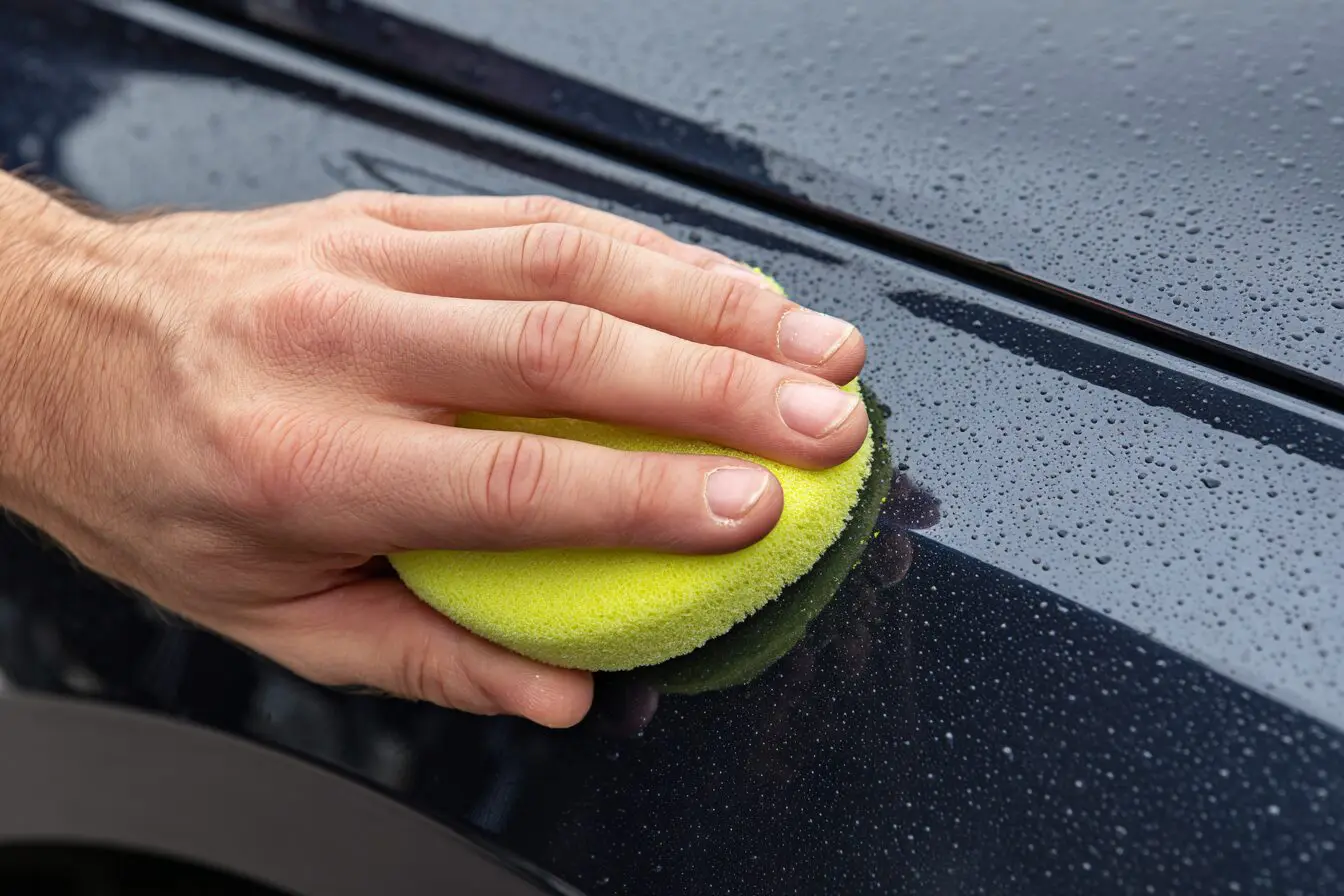
Scrub With A Soft Cloth
Choose a soft cloth to avoid scratching your car’s surface. Avoid rough materials like steel wool or brushes.
| Material | Use for Paint Removal? | Reason |
|---|---|---|
| Soft microfiber cloth | Yes | Gentle, cleans without scratching |
| Steel wool | No | Can scratch car paint |
| Hard-bristle brush | No | May damage car surface |
| Sponge | Yes | Soft and effective with soap |
Credit: ehowtoget.com
Try Rubbing Alcohol
Rubbing alcohol can help remove paint from your car’s surface. It works by breaking down the paint without harming the car’s finish.
Use rubbing alcohol carefully. Test it first to avoid damage.
Test On Small Area
Choose a hidden spot on your car. Apply a small amount of rubbing alcohol there.
Wait a few minutes. Check if the car’s paint or clear coat changes color or texture.
- If the area looks normal, you can proceed.
- If you see damage, do not use rubbing alcohol on your car.
Apply And Wipe Paint
Put some rubbing alcohol on a clean cloth. Gently rub the paint stain on your car.
Use soft, circular motions. Keep wiping until the paint starts to come off.
- Do not scrub hard to avoid scratching the car.
- Use a fresh cloth if the first one gets too dirty.
- After removal, clean the area with water and dry it well.
Apply Commercial Paint Removers
Removing paint from your car can be tricky. Commercial paint removers help break down paint safely.
These products work well but need careful use to protect your car’s finish.
Select Car-safe Products
Choose paint removers made specifically for cars. They are gentle on car paint and clear coats.
Avoid harsh chemicals that can damage your car’s surface. Look for products labeled safe for automotive use.
- Check the label for car-safe warnings
- Pick removers that say “non-abrasive” or “safe for clear coats”
- Test the remover on a small, hidden spot first
Follow Manufacturer Instructions
Read the instructions carefully before using paint removers. Each product has different directions and timing.
Use recommended tools and safety gear like gloves and eye protection. This keeps you safe and protects your car.
- Apply remover as directed, usually with a soft cloth or brush
- Do not leave the remover on too long to avoid damage
- Rinse or wipe off completely after use
- Work in a well-ventilated area

Credit: www.youtube.com
Use Clay Bars
Clay bars are a safe way to remove paint from your car’s surface. They help lift unwanted paint without damaging the clear coat.
Using a clay bar requires care and patience to avoid scratching the car’s finish. It works best on smooth, lubricated surfaces.
Lubricate Surface
Before using the clay bar, you need to lubricate the car’s surface. Lubrication stops the clay from sticking and scratching the paint.
- Spray a clay lubricant or quick detailer onto a small section of the car.
- Make sure the area is wet and slippery before applying the clay bar.
- Keep spraying more lubricant as needed during the process.
Gently Remove Paint
Use the clay bar with light pressure to gently lift the paint off the car’s surface. Do not press too hard to avoid scratches.
| Clay Bar Technique | Description |
| Fold | Fold the clay to expose a clean surface after it picks up paint. |
| Rub | Rub the clay back and forth over the lubricated area. |
| Check | Wipe the area with a microfiber cloth to check if paint is removed. |
| Repeat | Repeat on all affected areas until the paint is gone. |
Consider Professional Help
Removing paint from a car can be tricky. It might harm the car’s finish if not done right. Professional help ensures the job is done safely.
Experts have the right tools and techniques. They can restore the car’s look without damage. Consider their services for the best results.
When To Seek Experts
Sometimes it’s best to call an expert. If the paint covers a large area, professional help is wise.
Deep or stubborn stains might need special treatment. Experts know how to handle these cases properly.
- Large paint spills
- Deep-set paint stains
- Unfamiliar with removal techniques
Choosing A Reliable Service
Pick a service with good reviews. Ask friends for recommendations. Look for a service with experience in paint removal.
Check if they use safe methods. Ensure they offer a satisfaction guarantee. Trustworthy services provide clear pricing and no hidden fees.
- Read customer reviews
- Ask about their experience
- Inquire about their methods
- Check for a satisfaction guarantee
Prevent Future Paint Stains
Keeping your car free from unwanted paint stains is crucial. Follow these steps to maintain a pristine exterior.
Regular maintenance and protective measures can help prevent paint stains. Here are some effective strategies to consider.
Regular Car Washing
Washing your car regularly removes debris and reduces the risk of paint stains. Consistent cleaning keeps the surface smooth and clean.
- Use a gentle car wash soap and soft cloth.
- Rinse thoroughly to remove all soap residue.
- Dry with a microfiber towel to prevent water spots.
Protective Coatings
Applying protective coatings shields your car from paint stains. It adds a barrier that keeps unwanted substances at bay.
Consider using:
- Wax for a temporary protective layer.
- Ceramic coating for long-term protection.
- Sealants for an easy-to-apply option.
Frequently Asked Questions
How Can I Remove Paint From My Car Safely?
Use gentle methods like soap, water, and a microfiber cloth first. For stubborn paint, try automotive clay bar or rubbing compound. Always test on a small area to avoid damage. Avoid harsh chemicals that can harm your car’s finish.
What Household Items Remove Paint From A Car?
Common items include baking soda, vinegar, and rubbing alcohol. These can help soften paint spots. Apply gently with a soft cloth, then rinse thoroughly. Avoid scrubbing hard to prevent scratching your car’s surface.
Can Car Wax Help Remove Paint Splatters?
Yes, car wax can sometimes lift fresh paint spots. Apply a small amount on the affected area, then buff gently with a soft cloth. This method is best for minor paint splatters and helps protect your car’s finish.
Is It Safe To Use Paint Thinner On Car Paint?
Paint thinner is usually too harsh and can damage your car’s clear coat. It’s best to avoid using it unless you consult a professional. Instead, use automotive-safe products designed for paint removal.
Conclusion
Removing paint from your car takes care and patience. Use gentle methods first to avoid damage. Clean the area well after paint removal. Test any product on a small spot before full use. Regular checks help keep your car’s surface smooth.
Taking your time ensures the best results. Your car will look cleaner and well cared for. Keep these tips in mind for future touch-ups. Simple steps can make a big difference.







