
Have you ever wondered what the word “laser” really means when it pops up on your radar detector? If you rely on your device to keep you alert and safe on the road, understanding this term could make all the difference.
Knowing exactly how laser detection works can help you react faster and avoid costly tickets. You’ll discover what “laser” signals mean, why they matter, and how your radar detector handles them—so you can drive smarter and stay one step ahead.
Keep reading to unlock the secrets behind that simple word on your screen.

Credit: manuals.plus
Laser Detection Basics
Radar detectors often show the word “Laser” to alert drivers. This means the device can detect laser speed guns. Laser detection helps warn about precise speed measuring tools used by police.
Understanding how laser detection works can help drivers stay aware. It is different from regular radar detection and requires special sensors.
How Laser Speed Guns Work
Laser speed guns use light beams to measure speed. They send out a focused laser pulse to a vehicle. The device measures how long the light takes to bounce back.
This time helps calculate the exact speed of the vehicle. Laser guns are very accurate and fast. They work best at close range and on specific targets.
Difference Between Laser And Radar
Radar uses radio waves to detect speed. It covers a wide area and can detect many vehicles at once. Laser uses light beams and targets one vehicle at a time.
Radar signals are easier to detect with common radar detectors. Laser signals are harder to detect because they are narrow and direct. Laser detection needs special sensors to alert drivers.
- Radar: uses radio waves, broad coverage
- Laser: uses light beams, focused target
- Radar: easier to detect early
- Laser: harder to detect, very precise
Why Laser Detection Matters
Laser speed guns can catch speeding drivers quickly. Laser detection warns drivers before they get a ticket. It gives drivers time to slow down safely.
Without laser detection, drivers may not know they are measured. This can lead to unexpected speeding tickets. Laser detection improves driver awareness and safety on roads.
Credit: www.vortexradar.com
Radar Detector Features
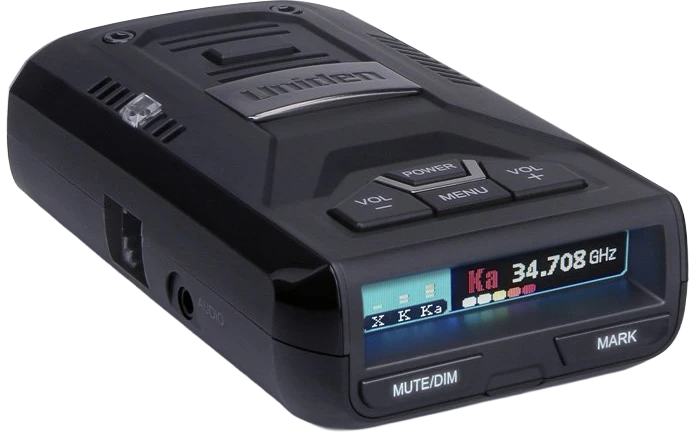
Radar detectors help drivers know when police use speed detection tools. These devices include many features for better alerts. One important feature is laser detection.
Understanding these features helps you choose the right radar detector. Let’s explore laser detection capabilities, signal strength, and alert types.
Laser Detection Capabilities
Laser detection means the radar detector can sense laser signals from speed guns. Lasers are harder to detect than radar waves. Good detectors can spot laser signals quickly to warn drivers.
- Detects laser beams used by police speed guns
- Alerts driver immediately after detection
- Helps reduce chances of getting a speeding ticket
- Works even at close range
- Some models have advanced sensors for faster alerts
Signal Strength And Range
Signal strength shows how strong the detected radar or laser signal is. Range is how far away the signal source is from your car. Both help the radar detector give better warnings.
| Feature | Description |
| Signal Strength | Measures power of the radar or laser signal |
| Detection Range | Distance at which signals are detected |
| Alert Timing | How soon the detector warns before reaching the signal |
Alert Types And Indicators
Radar detectors use different alerts to notify drivers. These include sounds, lights, and screen messages. Each type helps drivers understand the threat quickly.
- Audio alerts like beeps or voice warnings
- Visual indicators such as flashing lights or icons
- On-screen messages showing signal type and strength
- Some detectors vibrate for silent alerts
- Customizable alerts to suit driver preferences
Interpreting ‘laser’ Alerts
Radar detectors often show a “Laser” alert when they detect laser speed measuring devices. These devices send a focused beam of light to measure your speed.
Understanding what a laser alert means helps drivers react quickly and safely. It can reduce the chance of getting a speeding ticket.
What Triggers A Laser Alert
A laser alert triggers when the radar detector senses laser light from police speed guns. These lasers are very precise and hard to detect.
Laser signals come from devices that point directly at your vehicle. The detector picks up the light pulse and warns you with the alert.
- Police laser guns aimed at your car
- Automatic speed cameras using laser
- Some road safety devices emitting laser signals
False Alarms And Their Causes
Not every laser alert means a police speed check. Sometimes other light sources cause false alarms on radar detectors.
False alarms happen because some devices emit light similar to laser speed guns. This can confuse the detector and cause a warning.
- Automatic doors using infrared sensors
- Some remote controls or motion sensors
- Strong reflections from shiny surfaces
- Other vehicles with laser-based systems
Response Strategies When Alerted
When your radar detector alerts you to laser signals, slow down safely. Reducing speed helps avoid a ticket if it is a real police check.
Stay calm and watch the road. Look for police cars or speed cameras nearby. Avoid sudden moves that could cause danger.
- Check your speed and reduce gradually
- Watch for police vehicles or speed cameras
- Keep a safe distance from other cars
- Stay alert until the alert stops
Limitations Of Laser Detection
Laser detection on radar detectors helps alert drivers to laser speed guns. But this detection has limits. Knowing these limits helps drivers understand when detection may fail.
This article covers three main limits: line-of-sight needs, delay factors, and ways detection can be avoided.
Line-of-sight Requirement
Laser detectors work only if the laser beam hits the detector directly. The laser light travels in a narrow path and does not bend around corners or objects.
- Objects like trucks or walls can block the laser beam.
- The detector must be placed where the laser can reach it.
- Curves and hills on roads reduce the chances of detection.
- Laser signals rarely reflect enough to trigger the detector.
Detection Delay Factors
Laser detection is not instant. Several factors cause delays between laser firing and alert on the detector.
| Factor | Effect on Detection |
| Distance to Laser Source | Longer distance means weaker signals and slower alerts. |
| Detector Sensor Quality | Better sensors detect laser faster and more accurately. |
| Speed of the Vehicle | Higher speed reduces time to react after detection. |
| Laser Gun Pulse Rate | Faster pulses can shorten detection time. |
Avoiding Detection Limits
Some situations can avoid laser detection even if a detector is present. Understanding these helps drivers know when alerts might not occur.
- Using laser jammers that block or confuse laser signals.
- Police aiming at vehicle parts not covered by detectors.
- Rapid passing through laser beams before detector can alert.
- Environmental factors like heavy rain or fog reducing laser strength.
Improving Laser Detection
Laser detection helps drivers avoid speeding tickets. It works by sensing laser beams from police radar guns.
Improving laser detection makes your radar detector more effective. This guide covers upgrades and tips to boost performance.
Upgrading Detector Sensitivity
Detector sensitivity is key for early laser detection. Higher sensitivity helps catch laser signals sooner.
- Choose detectors with advanced sensors
- Update firmware regularly for better performance
- Look for models with longer detection range
- Test detector sensitivity in different environments
Positioning And Installation Tips
Proper placement of your detector improves laser detection. Install it where the laser beam has a clear path.
| Position | Reason |
| Dashboard center | Clear view of road ahead |
| Windshield near rearview mirror | Minimizes obstruction |
| Avoid tinted windows | Tints block laser signals |
| Keep detector steady | Reduces false alerts |
Using Laser Jammers
Laser jammers block police laser signals, giving extra time to slow down. They work alongside detectors for better protection.
Benefits of laser jammers:
- Disrupts laser gun signals
- Reduces chance of speed measurement
- Works instantly when activated
- Requires legal compliance in some areas
Legal And Safety Considerations
Radar detectors can help drivers avoid speeding tickets. They detect signals from police radar guns. But, what does laser mean on a radar detector? It detects laser signals used by police for speed measurement. There are legal and safety considerations to keep in mind.
Laws On Radar And Laser Detectors
The laws about radar detectors vary by region. In some places, they are legal for private vehicles. However, commercial vehicles often cannot use them. It’s important to know the laws where you drive.
- Legal in most states for personal cars
- Illegal in Virginia and Washington D.C.
- Federal law bans them in commercial vehicles
Risks Of Laser Jamming
Laser jamming is a technology that can interfere with police laser guns. This can prevent accurate speed measurement. However, it comes with risks. Many places consider it illegal and it can lead to fines.
Using a laser jammer might seem helpful, but it can attract legal trouble. It’s risky to use and can lead to penalties.
Safe Driving Practices
While radar detectors can alert you to speed traps, safe driving is crucial. It’s important to follow speed limits and drive responsibly. This reduces the risk of accidents and keeps roads safe for everyone.
- Always follow speed limits
- Stay aware of road conditions
- Use radar detectors as an aid, not a crutch

Credit: www.thedrive.com
Frequently Asked Questions
What Does Laser Mean On A Radar Detector?
Laser on a radar detector refers to the detection of laser speed guns. These guns use laser beams to measure vehicle speed. The detector alerts drivers when a laser signal is detected nearby. This helps drivers slow down and avoid speeding tickets.
How Does A Radar Detector Detect Laser Signals?
Radar detectors detect laser signals by sensing reflected laser light. Laser speed guns emit focused beams that reflect off vehicles. The detector’s sensor picks up this reflection and warns the driver. This process happens almost instantly for quick alerts.
Are All Radar Detectors Effective Against Laser?
No, not all radar detectors are equally effective against laser. Laser detection requires specialized sensors. Some detectors have advanced laser detection technology, while others do not. Choosing a radar detector with strong laser detection improves your chances of avoiding tickets.
Can Radar Detectors Prevent Laser Speed Tickets?
Radar detectors can warn you about laser speed guns, but they cannot guarantee prevention of tickets. Laser detection range is short, so reaction time is limited. Always drive within speed limits to avoid tickets, regardless of having a radar detector.
Conclusion
Laser on a radar detector means it can spot laser speed guns. These detectors warn you before the laser hits your car. This helps you slow down in time and avoid tickets. Not all detectors have laser detection, so choose wisely.
Understanding this feature keeps you safer on the road. Stay alert and use your radar detector smartly. Knowing what laser means can save you money and stress. Keep this in mind while driving every day.







