
Are you thinking about tinting your car windows but unsure how much it will cost? You’re not alone.
Many car owners want the benefits of tinted windows—like privacy, heat reduction, and a sleek look—but worry about the price. What if you could get clear answers before making a decision? You’ll discover everything you need to know about car window tinting costs.
By the end, you’ll feel confident about your choices and ready to give your car the upgrade it deserves. Keep reading to find out how much to tint your car windows without breaking the bank.
Factors Affecting Tint Cost
The cost to tint a car window varies based on several factors. These factors influence the total price of the tint job.
Knowing these factors helps you understand why prices differ at various shops.
Type Of Tint Film
Different tint films cost different amounts. Some films block more heat and UV rays, making them pricier.
Common types include dyed, metalized, carbon, and ceramic films. Each has its own price range.
- Dyed film: cheapest but less durable
- Metalized film: blocks heat better, may interfere with signals
- Carbon film: no signal issues, good heat rejection
- Ceramic film: most expensive, best heat and UV protection
Vehicle Size And Number Of Windows
Bigger vehicles need more film and time to tint, which raises the cost. More windows also mean higher prices.
Small cars with fewer windows usually cost less to tint than large SUVs or vans.
Quality And Brand
High-quality tint films from well-known brands cost more. They last longer and perform better.
Cheap films may save money upfront but can fade or bubble quickly.
- Premium brands offer warranties
- Mid-range films balance cost and quality
- Low-cost films may degrade faster
Labor And Installation Fees
Installation costs vary by shop and location. Skilled installers charge more for quality work.
Complex window shapes or hard-to-reach areas can increase labor time and cost.
Local Regulations And Legal Limits
Some areas have strict laws about how dark tint can be. These rules affect the type of film used.
Legal tint films that meet local rules might cost more or less depending on availability.
- Check local tint laws before choosing film
- Illegal tints can lead to fines or removal
- Legal tints balance cost with compliance
Average Price Ranges
Car window tinting prices vary depending on the type of tint and installation. Knowing the average cost helps you plan your budget well.
We will look at basic tint packages, premium options, and the choice between DIY kits and professional installation.
Basic Tint Packages
Basic tint packages offer standard tint films that reduce glare and heat. These are usually the most affordable option.
- Cost ranges from $100 to $200
- Provides moderate heat and UV protection
- Available in various shades and darkness levels
- Good for everyday use and legal limits
Premium And Ceramic Tints
Premium and ceramic tints offer better heat rejection and longer durability. Ceramic tints do not block signals and resist fading.
| Type | Average Cost | Key Benefit |
| Premium Tint | $200 – $400 | Higher heat and UV protection |
| Ceramic Tint | $350 – $600 | No signal interference, very durable |
Diy Tint Kits Vs Professional Installation
DIY tint kits are cheaper but need careful application. Professional installation costs more but ensures quality results.
- DIY kits cost $20 to $70
- Professional installation ranges from $100 to $500
- Professionals offer warranty and better fit
- DIY risks bubbles and peeling if not done well
Cost Breakdown By Vehicle Type
Car window tinting prices vary based on vehicle type. Different cars need different amounts of tint film. This affects the total cost.
Knowing the cost by vehicle type helps you plan your budget better. Below, we break down the costs for common vehicle categories.
Sedans And Compact Cars
Sedans and compact cars are usually the cheapest to tint. They have less glass area and simpler window shapes. This reduces labor and material costs.
- Average price range: $100 – $250
- Material used: Standard tint film
- Installation time: 1 to 2 hours
- Warranty: Often 5 to 10 years
Suvs And Trucks
SUVs and trucks cost more to tint than sedans. They have larger windows and extra rear glass. This increases the amount of tint film needed.
| Vehicle Type | Price Range | Notes |
| Mid-size SUV | $200 – $350 | Extra rear window tint |
| Full-size truck | $250 – $400 | Larger window area |
| Compact SUV | $180 – $300 | Less glass than full-size |
Luxury And Specialty Vehicles
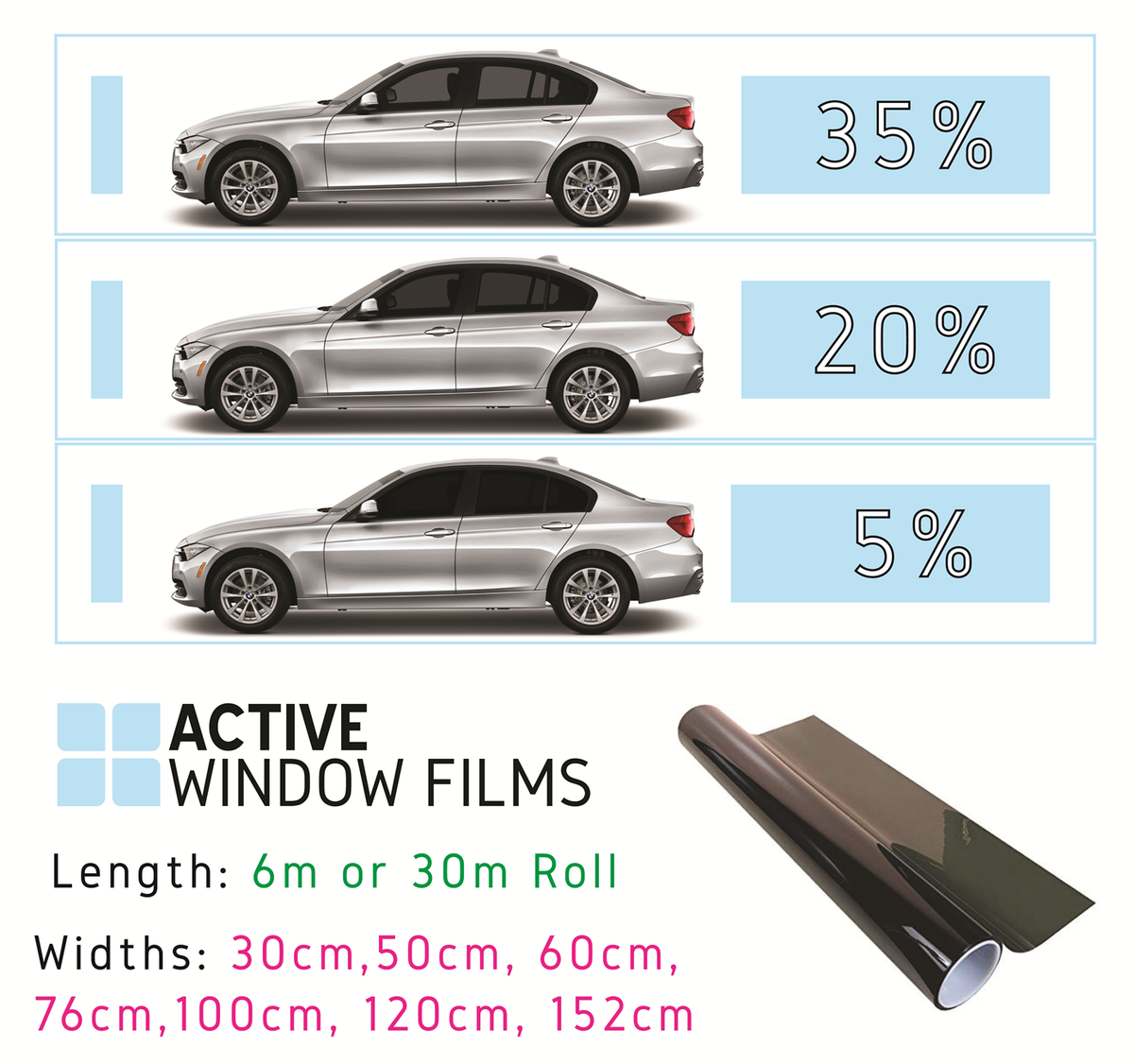
Luxury and specialty vehicles often cost the most to tint. These cars may need custom tint film. The windows can be curved or large, requiring more work.
- High-quality or ceramic tint options
- Complex window shapes
- Use of premium installation techniques
- Longer installation times
Credit: www.ebay.ca
How Tint Quality Impacts Price
Car window tint comes in many types and qualities. Each type affects the price differently.
Knowing the differences helps you choose the right tint for your budget and needs.
Dyed Vs Metallic Films
Dyed films use a layer of dye to block sunlight. They are usually cheaper but may fade over time.
Metallic films have tiny metal particles that reflect heat better. They cost more but last longer and improve cooling.
- Dyed films: low cost, less heat rejection, may fade
- Metallic films: higher cost, better heat rejection, durable
Ceramic And Carbon Options
Ceramic and carbon films offer advanced heat rejection without metal. They do not block signals or cause glare.
| Type | Price Range | Benefits |
| Ceramic | High | Excellent heat rejection, no signal interference |
| Carbon | Medium to High | Good heat rejection, matte finish |
| Metallic | Medium | Strong heat rejection, may block signals |
| Dyed | Low | Basic UV protection, may fade |
Warranty And Longevity
Higher quality tints usually come with longer warranties. This adds to the price but protects your investment.
- Longer warranty means better quality film
- Cheap films may have no or short warranty
- Consider warranty length when comparing prices
Installation Tips To Save Money
Tinting your car windows can protect you from the sun and improve privacy. It also adds style to your vehicle.
Knowing how to save money on installation helps you get the best value. Use these tips to avoid extra costs.
Choosing The Right Installer
Select an installer with good reviews and fair prices. A skilled technician will do the job right the first time.
- Check customer feedback online
- Compare prices from several shops
- Ask about warranty and service
- Verify the installer uses quality film
Timing And Seasonal Discounts
Car window tinting shops often offer discounts during slow seasons. Planning your installation can save money.
| Season | Discount Likely |
| Winter | High |
| Spring | Medium |
| Summer | Low |
| Fall | Medium |
Avoiding Common Installation Mistakes
Some mistakes cause damage or extra costs. Follow these tips for a smooth installation.
- Do not rush the appointment; allow time for drying
- Keep windows clean before the install
- Avoid DIY tinting if you lack experience
- Check for bubbles or peeling after installation
- Follow care instructions to extend tint life
Legal Considerations And Compliance
Tinting car windows can make your vehicle look sleek. But you must follow the law. Each state has its own rules.
Understanding these rules helps you avoid fines. Let’s explore important aspects of window tinting laws.
Tint Darkness Limits
The darkness of your window tint is measured by Visible Light Transmission (VLT). This tells how much light can pass through your windows.
| Window | VLT Limit |
| Front Side | 30% |
| Back Side | 20% |
| Rear Window | 20% |
State And Local Laws
Each state sets its own rules for window tinting. Some states are stricter than others. Checking local laws is important.
- Research your state’s specific VLT requirements.
- Check if medical exemptions are allowed.
- Consider city or county rules that may apply.
Penalties For Illegal Tinting
Illegal tinting can lead to fines. It can also result in a failed vehicle inspection. Knowing the penalties can help you comply.
Maintaining Your Window Tint
Window tint can enhance the look of your car. It also provides privacy and protection from the sun. To keep your window tint in good shape, proper maintenance is key.
By following some simple steps, you can extend the life of your tint. This guide will help you with cleaning, preventing damage, and knowing when to replace your tint.
Cleaning Techniques
Cleaning your window tint requires gentle methods. Use a soft cloth to avoid scratches. Mild soap and water are best for cleaning the tint.
- Avoid ammonia-based cleaners
- Use a microfiber cloth for drying
- Do not scrub harshly
Preventing Damage
Preventing damage to your window tint is important. Park your car in the shade to reduce sun exposure. Be careful with sharp objects inside the car.
- Keep windows rolled up for 48 hours after tinting
- Use sunshades when parked
- Avoid using stickers on tinted windows
When To Replace Tint
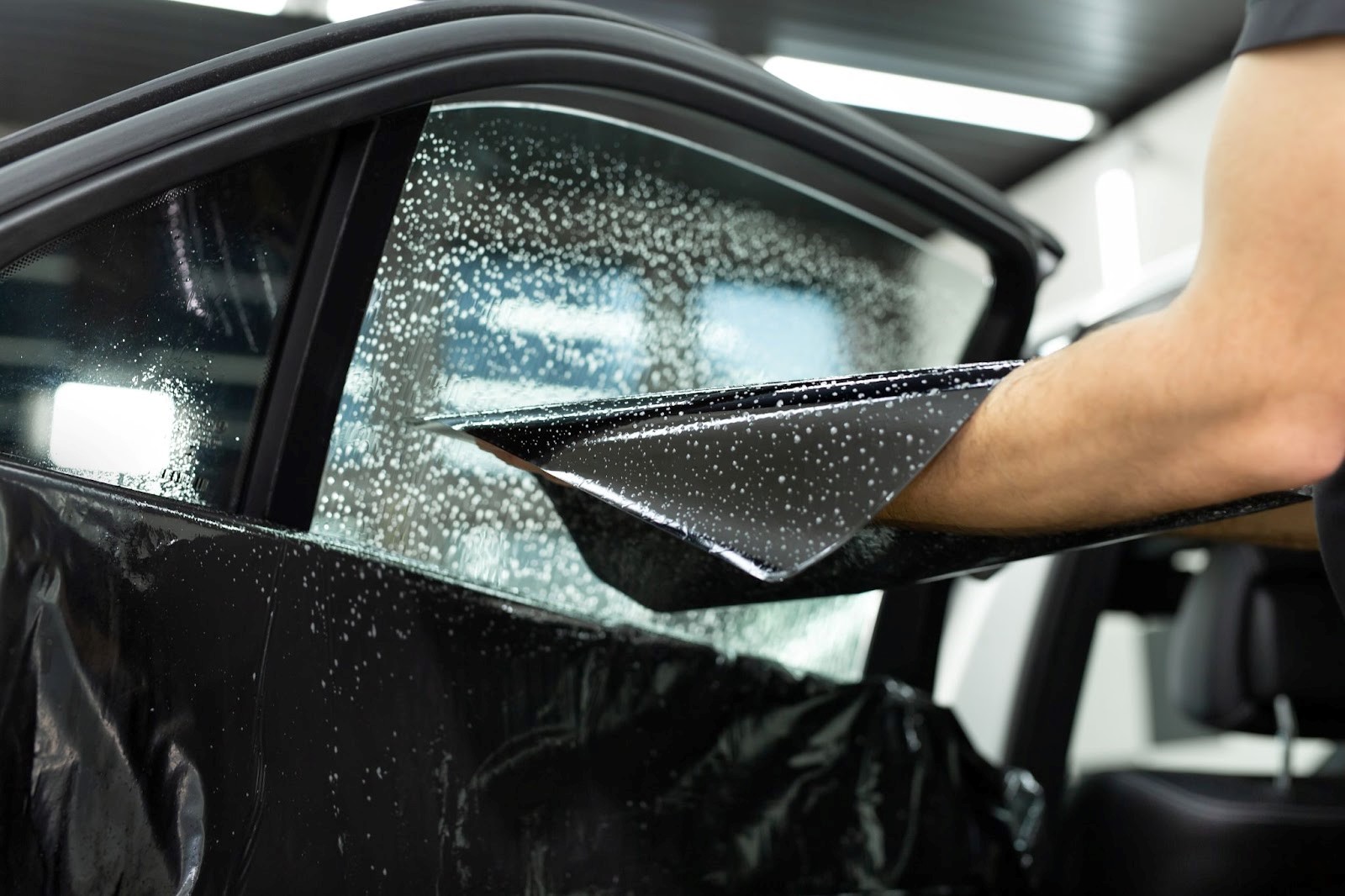
Window tint does not last forever. Bubbles, peeling, or fading are signs you need a replacement. Regularly check for these signs to know when to replace your tint.
Replacing tint can restore the look and function of your windows. If you notice any damage, consider getting new tint applied by a professional.
Credit: protexcanada.com
Credit: www.cherryautodetail.com
Frequently Asked Questions
How Much Does Car Window Tinting Cost?
Car window tinting typically costs between $100 and $400. Prices vary based on car size, tint quality, and location. Premium films and professional installation increase the price. Always compare quotes for the best value.
Does Tinting Car Windows Save Money On Energy?
Yes, window tinting reduces heat inside your car. It helps lower air conditioning use, saving fuel and energy costs. Tinting also protects interior surfaces from sun damage, extending their lifespan and saving replacement expenses.
Is Professional Car Window Tinting Worth The Price?
Professional tinting ensures quality, durability, and legal compliance. Experts use precise tools and high-grade films. DIY tinting can lead to bubbles, peeling, and fines. Investing in professionals often saves time and money long-term.
How Long Does Car Window Tinting Last?
High-quality window tints last between 5 to 10 years. Lifespan depends on film type, installation, and care. Proper maintenance extends tint life. Cheap films or poor installation reduce durability and appearance.
Conclusion
Tinting car windows costs vary by film type and car size. Choosing the right tint depends on your budget and needs. Remember, cheaper options may not last long. Quality tint helps keep your car cool and protects from sunlight. Always check local rules before tinting your windows.
A good tint job adds comfort and style. Take time to research and pick the best option for you. Your car will thank you with better shade and privacy. Simple steps lead to smart choices.







