
Have you ever spotted sticky residue, sap, or stubborn glue on your car’s paint and wondered how to get it off without causing damage? Goo Gone is a popular choice for many, but you might be asking yourself: Is Goo Gone safe on car paint?
You want a product that works quickly and effectively, but you also want to protect your car’s finish. You’ll discover the truth about using Goo Gone on your vehicle, what to watch out for, and the best ways to keep your car looking flawless.
Keep reading to make sure your paint stays as beautiful as the day you drove it off the lot.
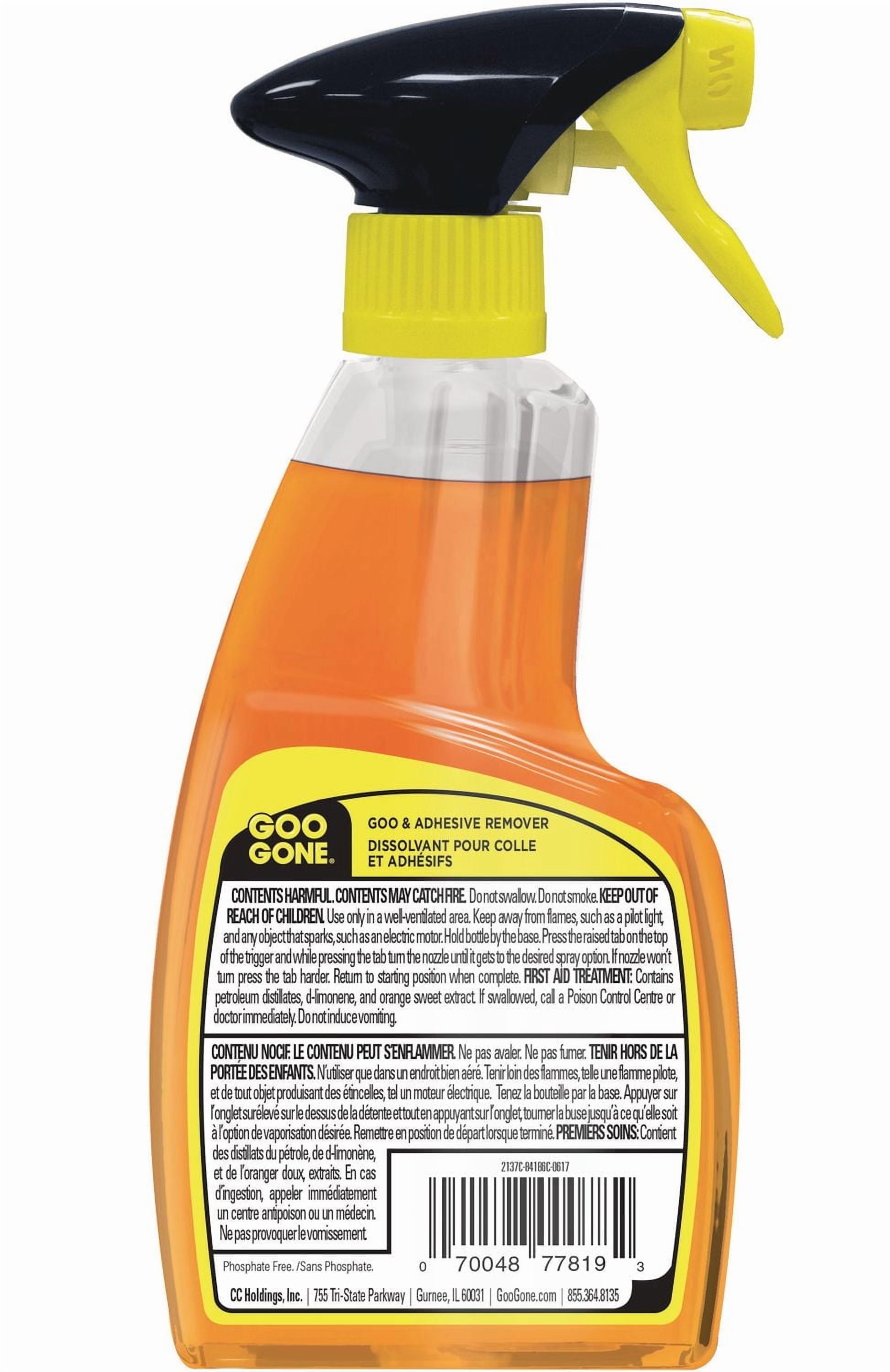
What Goo Gone Is Made Of
Goo Gone is a popular product used to remove sticky residues. It works on many surfaces, including car paint. Knowing what it contains helps understand if it is safe to use.
The ingredients are chosen to dissolve adhesives without harsh damage. Let’s look at the main components inside Goo Gone.
Main Solvents
Goo Gone uses a mix of solvents that break down sticky substances. These solvents help dissolve glue, sap, and other residues easily.
- Citrus-based oils, mainly d-Limonene
- Petroleum distillates
- Other mild solvents
Citrus Oil (d-limonene)
d-Limonene comes from orange peels. It gives Goo Gone its smell and cleaning power. This oil breaks down sticky messes well but is gentle on surfaces.
Petroleum Distillates
These are mild chemicals from crude oil. They help dissolve tougher adhesives. Goo Gone uses low-level distillates that evaporate quickly and leave little residue.
Additional Ingredients
| Ingredient | Purpose |
| Surfactants | Help lift and remove sticky residue |
| Fragrance | Provides a fresh smell |
| Thickeners | Improve spreadability on surfaces |
| Water | Dilutes formula for safe use |
Credit: www.walmart.ca
Effects On Different Car Paints
Goo Gone is often used to remove sticky residues from car surfaces. It works well on many materials, but its effect on car paint varies. Knowing how it interacts with different paints helps protect your vehicle’s finish.
This guide explains Goo Gone’s impact on clear coat finishes and matte or specialty paints. Use this information to decide if Goo Gone is safe for your car’s paint type.
Impact On Clear Coat
Clear coat is a thin, transparent layer that protects your car’s paint. Goo Gone can be safe on clear coats if used carefully. It removes sticky substances without damaging the paint underneath.
- Test Goo Gone on a small hidden area first.
- Apply it gently with a soft cloth.
- Do not leave Goo Gone on the paint for too long.
- Rinse the area with water after use.
- Dry the surface to prevent water spots.
Effects On Matte And Specialty Finishes
Matte and specialty paints have unique textures and finishes. Goo Gone may harm these surfaces by causing discoloration or removing the matte effect. Extra care is necessary when cleaning these paints.
| Paint Type | Effect of Goo Gone | Recommended Action |
| Matte Finish | May dull or shine spots | Avoid or spot test thoroughly |
| Metallic Finish | Usually safe with quick use | Use gently and rinse well |
| Pearlescent Finish | Could alter color slightly | Test small area first |
| Clear Coat | Safe if used properly | Apply carefully and rinse |
Safe Application Tips
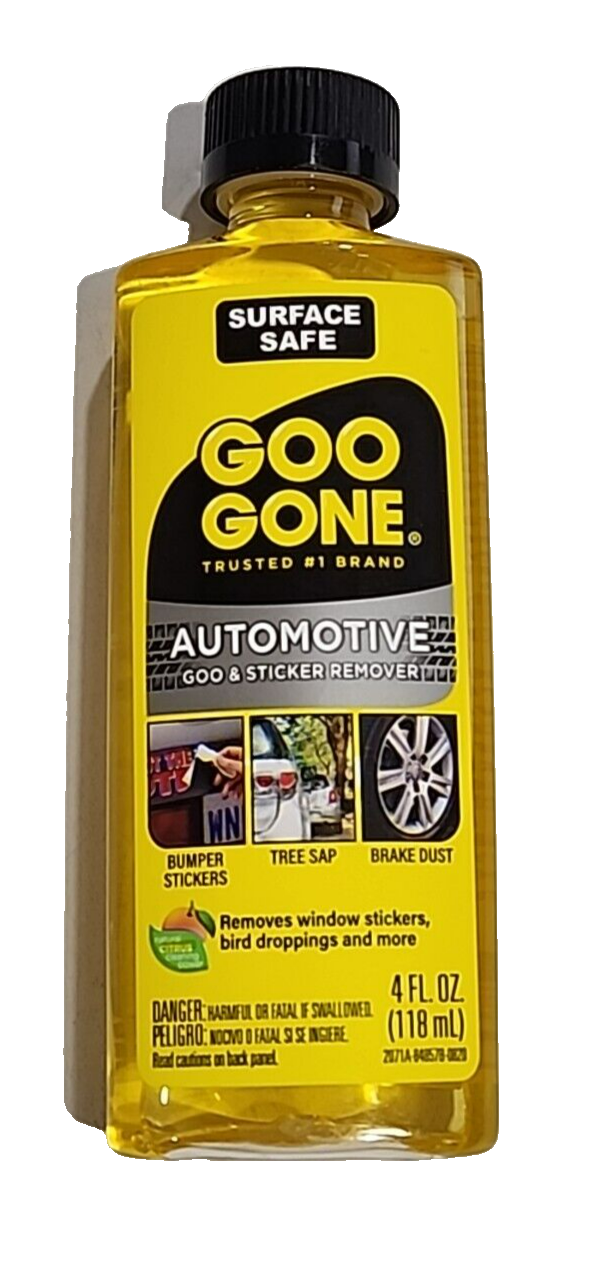
Goo Gone can remove sticky residue from car paint safely. You must apply it carefully to avoid damage.
Following safe steps helps protect your car’s paint and finish during cleaning.
Patch Testing First
Test Goo Gone on a small hidden area of your car’s paint. This check helps find any bad reaction.
Wait 10 minutes after applying to see if the paint changes color or texture.
- Choose a spot under the door or near the wheel well
- Apply a small amount of Goo Gone
- Let it sit for 10 minutes
- Check for discoloration or damage
- If safe, you can use it on other areas
Proper Application Techniques
Use Goo Gone gently on car paint to avoid harm. Do not rub hard or leave it too long.
Follow these tips to apply Goo Gone safely and protect your paint.
- Apply Goo Gone with a soft cloth or sponge
- Use small amounts to avoid dripping
- Rub gently in circular motions
- Clean the area with soap and water after use
- Dry the surface with a clean towel
- Repeat only if needed, never overuse
Alternatives To Goo Gone
Goo Gone is popular for removing sticky substances from car paint. Some people worry if it is safe for their vehicle’s surface. There are other options to consider that may be safer or more natural.
Below are some natural solutions and commercial alternatives you can use instead of Goo Gone on car paint.
Natural Solutions
Natural products can gently remove sticky residues without harsh chemicals. They are often safer for your car paint and the environment.
- Warm soapy water: Use mild dish soap mixed with warm water to soften and clean sticky spots.
- Vinegar: Diluted white vinegar can break down adhesives. Test on a small area first.
- Baking soda paste: Mix baking soda with water to form a paste. Rub gently to remove residue.
- Olive oil or coconut oil: Oils can loosen sticky substances and protect paint from drying out.
Commercial Alternatives
There are many commercial products designed to remove sticky residues safely. These vary in strength and ingredients.
| Product | Key Ingredient | Safe for Car Paint |
|---|---|---|
| WD-40 | Mineral oil-based solvent | Yes, but test first |
| Rubbing alcohol | Isopropyl alcohol | Use sparingly, may dull paint |
| Citrus-based cleaners | Citrus oils | Generally safe |
| Isopropyl myristate | Fatty acid ester | Safe and effective |
Precautions To Avoid Damage
Goo Gone is useful for removing sticky residues from car paint. You must be careful to avoid damage to the surface. Taking the right precautions helps keep your paint safe.
This guide covers how to use Goo Gone safely on car paint. Follow these tips to protect your vehicle’s finish.
Avoiding Prolonged Contact
Do not leave Goo Gone on the car paint for too long. Prolonged contact can cause discoloration or damage to the clear coat. Apply a small amount and wipe it off quickly.
- Apply Goo Gone only on the sticky spot
- Let it sit for no more than 2 minutes
- Wipe off with a soft cloth immediately
- Rinse the area with water to remove residue
Protecting Surrounding Areas
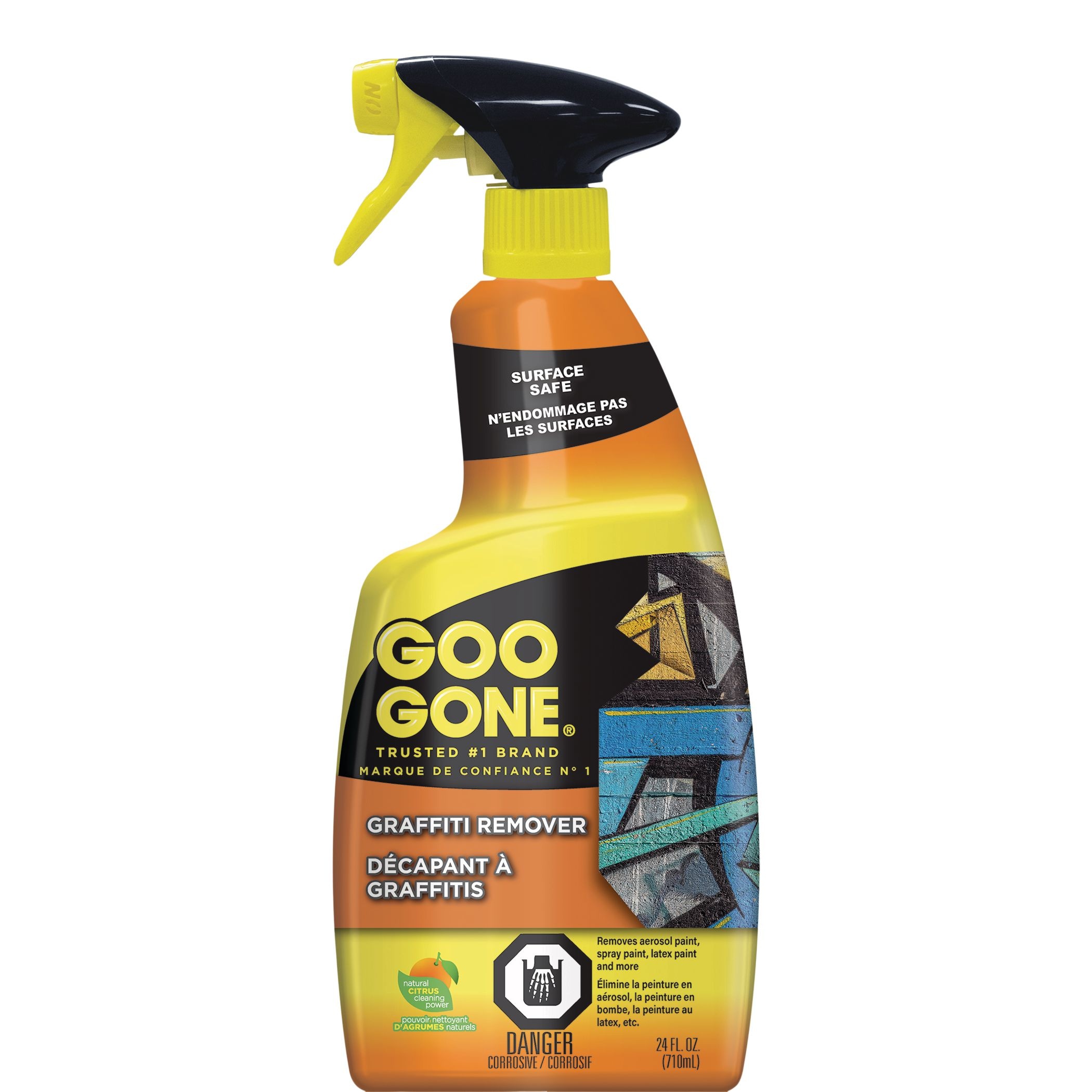
Shield nearby paint and trim from Goo Gone. It can harm plastic, rubber, and other surfaces. Use masking tape or cloth to cover edges and parts close to the treated area.
| Surface | Protection Needed |
| Plastic trim | Yes, cover with tape |
| Rubber seals | Yes, avoid contact |
| Glass | Wipe quickly if touched |
| Paint | Use sparingly, rinse well |
Credit: www.canadiantire.ca
Aftercare For Treated Surfaces
Using Goo Gone on your car’s paint requires careful aftercare. Proper steps ensure the surface remains protected and shiny.
Let’s explore how to clean residue and apply waxing and polishing for a smooth finish.
Cleaning Residue
After using Goo Gone, remove any leftover residue. It’s important to use gentle methods to avoid damage.
- Rinse the area with warm water.
- Use a mild car soap and a soft sponge.
- Dry the surface with a microfiber cloth.
Waxing And Polishing
Waxing and polishing restore the car’s shine. They also protect the paint from future damage.
| Product | Purpose |
| Car Wax | Protects paint |
| Polish | Enhances shine |
| Sealant | Long-lasting protection |
Apply wax in circular motions. Buff the surface to achieve a high gloss finish.
Credit: ssv-isselburg.de
Frequently Asked Questions
Is Goo Gone Safe To Use On Car Paint?
Yes, Goo Gone is generally safe on car paint when used properly. Always test on a small area first and avoid prolonged contact to prevent damage.
How Do I Apply Goo Gone On Car Paint Safely?
Apply Goo Gone sparingly with a soft cloth. Gently rub the sticky residue and wash the area with soap and water afterward.
Can Goo Gone Damage Car Clear Coat?
If used excessively or left on too long, Goo Gone can harm the clear coat. Always rinse thoroughly and avoid harsh scrubbing.
What Should I Avoid When Using Goo Gone On Cars?
Avoid using Goo Gone on hot surfaces or direct sunlight. Do not mix with other chemicals to prevent paint damage.
Conclusion
Goo Gone can safely remove sticky residue from car paint if used carefully. Always test a small area first to avoid damage. Avoid letting Goo Gone sit too long on the surface. Wipe it off gently with a soft cloth.
Follow up by washing the area with soap and water. This helps protect your car’s paint finish. Using Goo Gone correctly keeps your car clean without harm. Simple steps make a big difference in maintaining your paint. Safety and care matter most when cleaning your car.







