
Have you ever wondered what happens if your car gets stolen? The shock and stress can be overwhelming.
You might be asking yourself, “Does insurance cover stolen car losses? ” Understanding how your insurance works in this situation can save you from unexpected expenses and frustration. You’ll discover exactly what types of coverage protect you, what steps to take if your car is stolen, and how to make the claims process smoother.
Keep reading to get the answers you need and protect yourself from financial surprises.
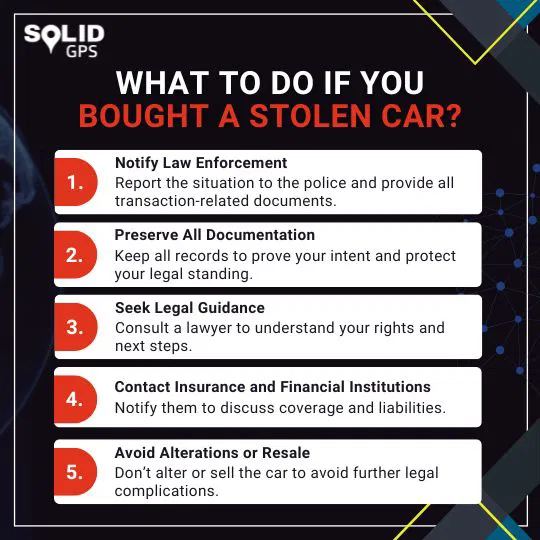
Credit: www.solidgps.com
Types Of Car Insurance
Car insurance helps protect you from financial loss if your car is stolen or damaged. Different types of insurance cover different risks.
Knowing each type helps you understand what is covered if your car is stolen.
Liability Coverage
Liability coverage pays for damage you cause to others in an accident. It does not cover your stolen car.
This insurance protects you against injury or property damage claims from others.
Comprehensive Coverage
Comprehensive coverage protects your car from theft, fire, or vandalism. It pays if your car is stolen.
This coverage also pays for damage from natural events like floods or storms.
- Covers stolen car losses
- Protects against fire damage
- Covers vandalism and natural disasters
Collision Coverage
Collision coverage pays for damage to your car from accidents. It does not cover theft.
This insurance helps fix your car after hitting another vehicle or object.
Uninsured Motorist Coverage
This coverage protects you if an uninsured driver hits your car. It usually does not cover theft.
It helps pay for your injuries or car damage caused by someone without insurance.
Coverage For Stolen Vehicles
Car theft can cause big financial loss and stress. Many people wonder if insurance helps pay for a stolen vehicle.
Understanding what types of insurance cover theft helps you choose the right policy. It also shows what to expect after a theft.
Role Of Comprehensive Insurance
Comprehensive insurance protects your car against theft. It also covers damages not caused by a crash. This includes fire, vandalism, and natural disasters.
- Pay for stolen car replacement or repair
- Cover damage from theft attempts
- Protect against loss from events other than crashes
What Liability And Collision Exclude
Liability insurance only covers damage you cause to others. It does not pay for your stolen car. Collision insurance pays for damage from crashes. It also does not cover theft.
| Insurance Type | Theft Coverage |
| Liability | No |
| Collision | No |
| Comprehensive | Yes |
Theft Protection Add-ons
Some insurers offer add-ons to improve theft protection. These can lower your risk and may reduce your premium.
- Car alarms and tracking devices discounts
- Rental car coverage while your car is stolen
- Higher limits for stolen personal items in the car
Filing A Theft Claim
Having your car stolen is stressful. Filing a theft claim helps you get compensation. You must follow specific steps carefully.
This guide explains how to report the theft, notify your insurer, and prepare needed documents.
Reporting To Police
Report the theft to the police as soon as possible. Provide all details about your car and the incident. This report is essential for your claim.
- Call the police or visit the nearest station
- Give your car’s make, model, and registration number
- Describe where and when the theft happened
- Keep a copy of the police report for your records
Notifying Your Insurer
Contact your insurance company quickly after the police report. Tell them about the theft and ask how to start the claim process.
- Find your insurance policy number
- Call or use the insurer’s online claim service
- Provide the police report number and details
- Follow the insurer’s instructions carefully
Required Documentation
You need to submit several documents for your claim. These documents help prove the theft and your ownership of the vehicle.
| Document | Purpose |
|---|---|
| Police Report | Proof of theft and official investigation |
| Insurance Policy | Shows coverage details and terms |
| Vehicle Registration | Proves ownership of the stolen car |
| Proof of Purchase | Shows car’s value and purchase date |
| Photos of the Car | Helps identify the vehicle |
Claim Process And Payout
Filing a claim for a stolen car starts with reporting the theft to the police. Then, contact your insurance company quickly. The insurer will guide you through the next steps for your claim.
Understanding how the claim is assessed and how payouts work helps you prepare. This guide covers the key parts of the process and what to expect.
Assessment And Investigation
After you file a claim, the insurance company investigates. They check the police report and may ask for more details. The goal is to confirm the theft and the car’s condition before it was stolen.
The insurer may also work with local authorities to track the vehicle. This process can take several days or weeks depending on the case.
Deductibles And Limits
Your payout depends on your policy’s deductible and coverage limits. The deductible is the amount you pay before insurance pays the rest.
- Deductibles reduce the payout amount.
- Coverage limits cap the maximum payout.
- Some policies include additional coverage for theft.
Total Loss Vs. Recovery
Insurance treats stolen cars as a total loss if they are not found. If the car is recovered, the payout depends on its condition.
| Scenario | Insurance Action | Possible Outcome |
| Car not found | Declared total loss | Full payout minus deductible |
| Car found damaged | Inspect damage | Repair costs covered minus deductible |
| Car found undamaged | Returned to owner | No payout or claim |
Factors Affecting Theft Coverage
Insurance coverage for a stolen car depends on several factors. Knowing these can help you understand what to expect from your policy. Some details in your insurance plan affect whether theft is covered.
Car owners should review their policy terms, vehicle security, and location risks. These areas play a key role in theft protection and claims approval.
Policy Terms And Conditions
Your insurance policy spells out what theft cover means. It defines the limits, deductibles, and exclusions. Reading these terms helps you avoid surprises when filing a claim.
- Check if theft is included or optional.
- Note the deductible amount for theft claims.
- Look for any exclusions like leaving keys inside the car.
- Understand the claim process and required documents.
Vehicle Security Features
Insurers often consider your car’s security when offering theft coverage. Better security can lower your premiums and improve chances of claim approval.
| Security Feature | Impact on Coverage |
| Alarm system | Reduces risk, may lower cost |
| Immobilizer | Prevents unauthorized start, preferred |
| GPS tracking | Helps recover vehicle, favorable |
| Steering lock | Added theft barrier, positive effect |
Geographical Risk Areas
Where you park and drive your car affects theft risk. Insurance companies assess this to set coverage terms and prices.
High-risk areas include:
- Neighborhoods with high crime rates
- Places with frequent car theft reports
- Locations lacking secure parking
Living or parking in these zones might lead to:
- Higher insurance premiums
- Stricter coverage conditions
- Requirement for enhanced security

Credit: www.freeadvice.com
Tips To Protect Your Vehicle
Car theft is a worrying problem for many vehicle owners. Protecting your car from theft is crucial for peace of mind.
Insurance may cover stolen cars, but it’s better to prevent theft in the first place. Here are some tips to help you keep your vehicle safe.
Installing Anti-theft Devices
Anti-theft devices can deter thieves and keep your car safe. They make it harder for someone to steal your vehicle.
Consider installing alarms, steering wheel locks, or GPS trackers. These devices can alert you or the authorities if someone tries to steal your car.
- Car alarms create noise to scare thieves
- Steering wheel locks prevent steering
- GPS trackers help locate stolen cars
Parking In Safe Locations
Where you park your car can affect its safety. Choose well-lit and busy areas to reduce the risk of theft.
Avoid parking in dark or isolated places. Use secured parking lots or garages whenever possible to keep your car safe.
- Park under streetlights at night
- Use parking lots with security cameras
- Avoid secluded areas for parking
Regularly Updating Your Policy
Keep your insurance policy updated to ensure full coverage. Notify your insurance company of any changes, like moving to a new area.
Review your policy details every year. Ensure it covers theft and includes all your anti-theft devices.
- Check your policy for theft coverage
- Update your policy with new devices
- Inform your insurer about address changes

Credit: www.lowmanlawfirm.com
Frequently Asked Questions
Does Insurance Cover Stolen Cars Fully?
Yes, comprehensive auto insurance typically covers stolen vehicles. It reimburses the actual cash value after theft, minus your deductible. Coverage depends on your policy terms and local laws.
What Types Of Insurance Cover Car Theft?
Comprehensive insurance covers theft, vandalism, and non-collision damages. Liability and collision insurance usually don’t cover theft. Check your policy details for specific coverage.
How To File A Claim For A Stolen Car?
Report the theft to police immediately and get a report. Contact your insurance company with the police report and claim form. Provide all required documents promptly for smooth processing.
Will My Deductible Affect Stolen Car Claim Payout?
Yes, your deductible amount is subtracted from the claim payout. Higher deductibles mean lower payouts. Choose your deductible wisely to balance premium costs and claim benefits.
Conclusion
Car insurance often covers stolen vehicles under specific policies. Comprehensive coverage usually pays for theft losses. Check your policy details to confirm coverage. Timely reporting to police and insurer is important. Keep documents like the police report and claim forms handy.
Knowing your coverage helps avoid surprises later. Theft protection varies by insurer and plan. Always ask questions and stay informed about your policy. Protect your car and your peace of mind.







