
Have you ever found your parked car damaged by a hit-and-run driver? It’s frustrating, right?
You might wonder, “Will my insurance cover this? ” Understanding how insurance handles hit-and-run incidents can save you time, stress, and money. You’ll discover what types of coverage protect you, what steps to take after the accident, and how to make sure you’re not left paying out of pocket.
Keep reading to find out exactly what you need to know to protect your car and your wallet.

Credit: singaporelegaladvice.com
Hit-and-run Incidents Explained
A hit-and-run happens when a driver hits a parked car and leaves the scene. The owner of the parked car may not know who caused the damage.
Insurance coverage for hit-and-run cases depends on the type of insurance and local laws. Understanding these incidents helps car owners protect themselves.
Common Scenarios
Many hit-and-run cases happen in parking lots, on the street, or near homes. A driver may hit a parked car while reversing or passing by.
- A car scratches a parked vehicle and drives away without leaving a note.
- A driver hits a parked car and damages its mirror or door.
- A vehicle crashes into a parked car during a parking maneuver and leaves quickly.
- Someone hits a parked car at night when no one is around to see.
Legal Implications
Hit-and-run is illegal. Drivers must stop and provide contact information after hitting a car. Failing to do this can lead to penalties.
If the hit-and-run driver is found, they may face fines or criminal charges. The parked car owner can also file an insurance claim for repairs.
- Drivers must report the accident to the police.
- Insurance companies may require a police report for claims.
- Uninsured motorist coverage can help if the driver is unknown.
- Hit-and-run charges can include fines or jail time.
Types Of Insurance Coverage
When your parked car is hit by a hit-and-run driver, insurance coverage can help pay for damages. Different types of insurance cover different parts of the damage.
Understanding these coverages can help you know what to expect after an accident with an unknown driver.
Liability Coverage Limits
Liability coverage pays for damage or injury you cause to others. It does not pay for your car’s damage in a hit-and-run. This coverage has limits set in your policy. If you cause an accident, liability helps others, but it won’t cover your parked car hit by another driver.
Collision Coverage Benefits
Collision coverage helps pay for damage to your car after a crash, no matter who is at fault. If a hit-and-run driver damages your parked car, collision coverage can cover repairs. You usually pay a deductible before insurance pays.
- Pays for your car repairs after a hit-and-run
- Works even if the other driver is unknown
- Requires paying a deductible first
- May raise your insurance premium after a claim
Uninsured Motorist Coverage Role
Uninsured motorist coverage protects you if the driver who hits your parked car has no insurance. It can pay for damages and medical costs. This coverage is very helpful in hit-and-run cases where the driver is not found or uninsured.
| Coverage Type | What It Covers | Applies to Hit-and-Run? |
| Liability Coverage | Damage or injury you cause to others | No |
| Collision Coverage | Your car’s damage after a crash | Yes |
| Uninsured Motorist Coverage | Damage by uninsured or unknown drivers | Yes |
Claims Process For Hit-and-run
When your parked car is hit and the driver leaves, it is a hit-and-run. Insurance can cover some damages. The claims process helps you get compensation.
Knowing the steps to report and file your claim makes it easier. This guide explains what to do after a hit-and-run.
Reporting The Incident
First, you need to report the damage to your insurance company. Contact them as soon as possible to start the claim.
Provide details like the date, time, and location of the hit-and-run. Share any photos of the damage or the scene.
- Call your insurer or use their app
- Describe the damage clearly
- Share any evidence you have
Filing A Police Report
Filing a police report is important for hit-and-run claims. It proves the accident happened and helps find the other driver.
Go to the police station or file the report online. Give all details, including photos and witness information if you have it.
- Report as soon as possible after the incident
- Provide exact location and time
- Include vehicle and damage details
- Keep a copy of the report for your insurer
Working With Your Insurer
Your insurer will review your claim and the police report. They may send an adjuster to inspect your car.
Answer questions honestly and provide all requested documents. Your insurer guides you through repairs and payouts.
- Stay in contact with your insurance agent
- Submit repair estimates and bills
- Follow insurer instructions carefully
- Ask questions if you do not understand

Credit: isure.ca
Factors Affecting Coverage
When your parked car is hit and the driver leaves without paying, your insurance may cover the damage. The coverage depends on several factors. These factors influence if and how much your insurance pays.
Understanding these factors helps you know what to expect from your insurance policy. Below are key elements that affect hit-and-run coverage.
Policy Terms And Conditions
Your insurance policy has specific rules about hit-and-run incidents. Some policies cover hit-and-run under uninsured motorist property damage. Others may require you to have collision coverage.
- Check if your policy includes uninsured motorist property damage coverage.
- See if collision coverage is necessary for hit-and-run claims.
- Note any time limits for reporting the incident to your insurer.
- Understand the proof needed to file a claim, like a police report.
Deductibles And Premiums
Your deductible is the amount you pay before insurance helps. A higher deductible means lower premiums but more cost out of pocket. A lower deductible raises premiums but reduces your initial cost.
| Deductible Amount | Effect on Premiums | Out-of-Pocket Cost if Hit-and-Run Occurs |
|---|---|---|
| $500 | Lower premium | Pay $500 before insurance pays |
| $250 | Higher premium | Pay $250 before insurance pays |
| $0 (No deductible) | Highest premium | Insurance pays full damage cost |
State Laws Variations
Insurance rules for hit-and-run vary by state. Some states require uninsured motorist coverage by law. Others leave it optional. State laws affect how claims are processed and paid.
Here are some state law differences:
- States with mandatory uninsured motorist coverage offer more protection.
- Some states limit payout amounts for hit-and-run claims.
- Reporting requirements and deadlines vary by state.
- Legal definitions of hit-and-run can differ.
Tips To Protect Your Parked Car
Parked cars can get damaged by hit-and-run accidents. Many drivers wonder if insurance covers this type of damage. It is important to know how to protect your car from such risks.
Taking steps to protect your parked car can save you money and stress. You can reduce damage chances and make claims easier if something happens.
Choosing The Right Insurance
Not all insurance covers hit-and-run damage to parked cars. Comprehensive insurance usually covers this type of accident. Liability insurance often does not cover hit-and-run damage to your car.
Check your policy to see if hit-and-run damage is included. You may want to add uninsured motorist coverage. This helps pay for damage caused by drivers who leave the scene.
- Choose comprehensive or collision coverage
- Add uninsured motorist protection
- Review your policy terms carefully
- Ask your insurer about hit-and-run claims
Preventive Measures
Preventing hit-and-run damage is better than claiming insurance. Park in well-lit, busy areas to lower risks. Avoid dark or isolated spots.
Use security tools like cameras or alarms. These may scare off potential hit-and-run drivers. Always lock your car and remove valuables to avoid theft.
- Park in busy, well-lit places
- Install security cameras or alarms
- Lock doors and close windows
- Remove valuables from the car
Documenting Your Vehicle’s Condition
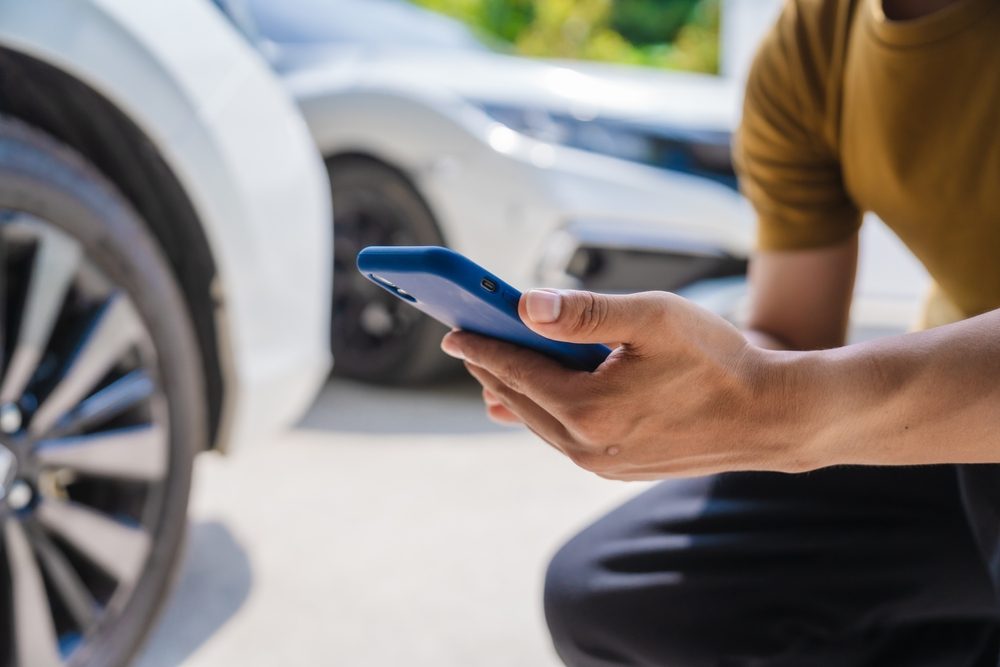
Keep records of your car’s condition before parking it. Take clear photos of all sides. This helps prove damage happened later and not before.
Note any scratches or dents before leaving the car. Save repair receipts and insurance documents. This information helps with claims and police reports.
- Take photos of your parked car
- Note existing scratches or dents
- Keep repair and insurance papers
- Report hit-and-run damage quickly
Credit: demayolaw.com
Frequently Asked Questions
Does Insurance Cover Hit-and-run Damage On Parked Cars?
Yes, insurance can cover hit-and-run damage if you have uninsured motorist property damage or collision coverage. Check your policy details to confirm coverage. Reporting the incident to the police and your insurer quickly is essential for claim approval.
What Should I Do After A Hit-and-run On My Parked Car?
Immediately report the hit-and-run to the police and your insurance company. Document the damage with photos and gather any witness information. Prompt reporting increases your chances of a successful claim and helps identify the responsible party.
Does Liability Insurance Cover Hit-and-run Parked Car Damage?
No, liability insurance does not cover damage to your parked car. It only protects others if you cause an accident. Collision or uninsured motorist coverage is needed to cover hit-and-run damage on your vehicle.
How Can I Prove A Hit-and-run For Insurance Claims?
Provide police reports, photos of damage, and witness statements to your insurer. These documents prove the incident was a hit-and-run and support your claim’s validity. Timely and detailed evidence improves claim approval chances.
Conclusion
Insurance coverage for hit-and-run damage depends on your policy type. Comprehensive or uninsured motorist coverage often helps pay for repairs. Reporting the incident quickly improves your claim chances. Keep all documents and police reports safe. Knowing your coverage protects your finances and peace of mind.
Stay informed and review your insurance regularly. Protect your parked car by understanding your options well. It pays to be prepared for unexpected events like hit-and-runs.







