
You just got a new car, and its shiny paint is turning heads everywhere you go. But how do you keep that fresh, flawless look for years to come?
Your car’s paint faces many threats every day—sunlight, dirt, bird droppings, and even tiny scratches. If you want to protect your investment and keep your car looking brand new, this guide is for you. Read on to discover simple, effective ways to shield your car’s paint and make it shine like the day you drove it off the lot.
Choose The Right Wax
Protecting your new car’s paint keeps it looking fresh and shiny. Wax forms a shield against dirt, water, and sun damage.
Choosing the right wax helps keep the paint safe and extend its life. Different wax types fit different needs and car finishes.
Types Of Car Wax
Car wax comes in many forms. Each type offers unique benefits for your car’s paint.
- Paste Wax:Thick and durable. Lasts longer but needs more effort to apply.
- Liquid Wax:Easy to apply and removes. Good for quick waxing and smooth finishes.
- Spray Wax:Fast and simple. Best for light protection and shine between full waxes.
- Carnauba Wax:Natural and glossy. Gives a deep shine but wears off faster.
- Synthetic Wax:Man-made and tough. Offers longer protection and resists water well.
How Often To Apply Wax
Waxing frequency depends on the wax type and driving conditions. Regular waxing keeps the paint strong and bright.
Most people wax their car every 3 to 4 months. Some synthetic waxes last up to 6 months before needing another coat.
- Apply paste wax 2-3 times a year for best results.
- Use liquid wax every 2-3 months for steady protection.
- Spray wax can be used monthly or after washing.
- Reapply wax if the water no longer beads on the surface.
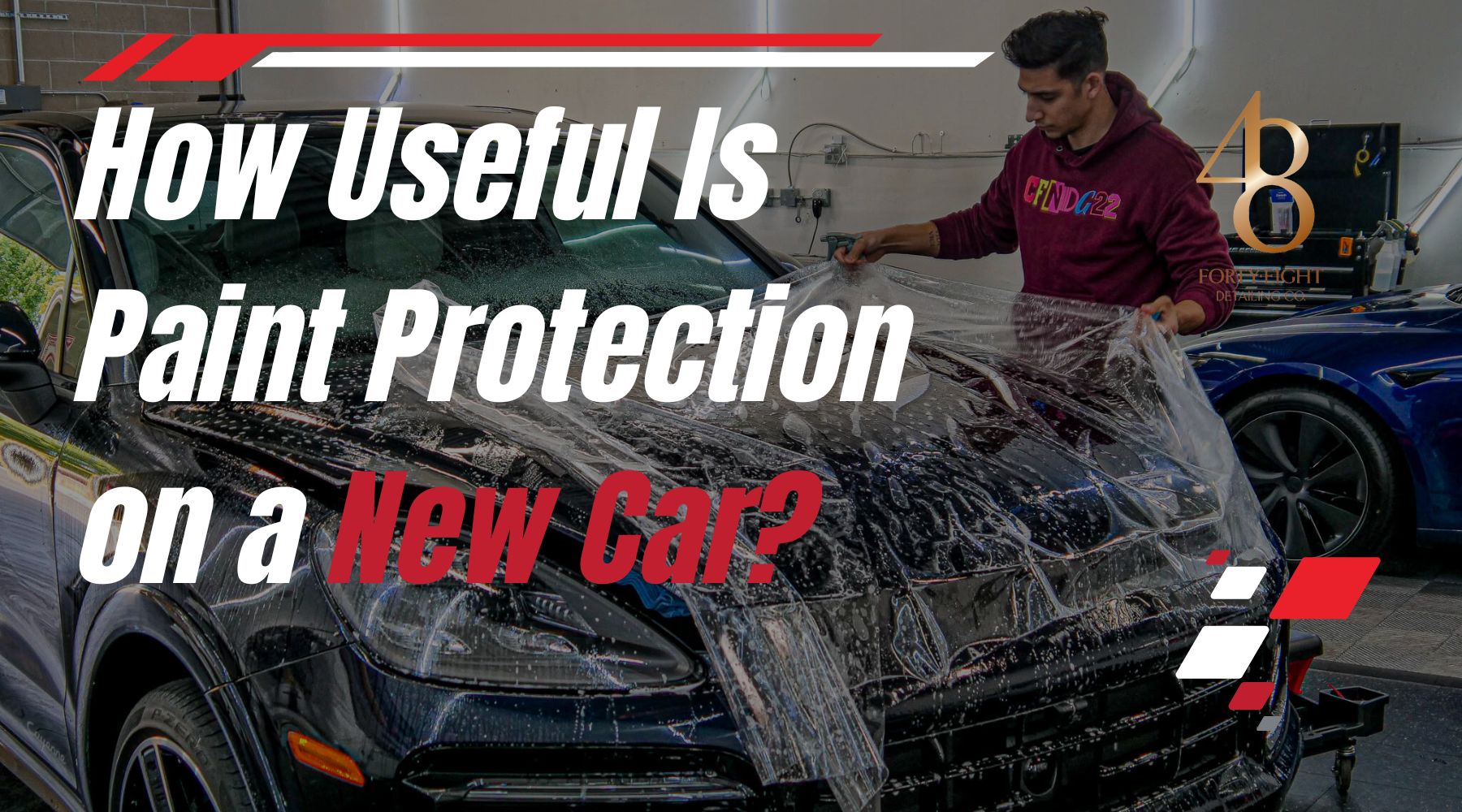
Credit: 48detailing.com
Regular Washing Techniques
Keeping your new car paint clean helps protect it from damage. Regular washing removes dirt and grime that can harm the paint.
Using the right washing techniques keeps the paint smooth and shiny. It also prevents scratches and stains.
Best Cleaning Products
Choose cleaning products made for car paint. They clean well without harming the surface.
Look for pH-balanced soaps and gentle cleaners. Avoid household detergents that can strip wax or damage paint.
- Car wash soap with pH balance
- Foam cleaners for gentle washing
- Clay bars for removing stubborn dirt
- Detailing sprays for quick clean-ups
Proper Washing Tools
Use soft washing tools to avoid scratches. Rough sponges or brushes can harm the paint.
Microfiber cloths and wash mitts hold dirt safely. They reduce the chance of rubbing grit into the paint.
- Microfiber wash mitts
- Soft sponges made for cars
- Two-bucket system to separate clean and dirty water
- Gentle drying towels or chamois
Avoiding Common Washing Mistakes
Do not wash your car in direct sunlight. Heat can cause soap to dry too fast and leave marks.
Never use a single bucket. Always use two buckets to keep dirt off your wash mitt.
- Do not use household detergents or dish soap
- Avoid circular scrubbing that can cause swirl marks
- Rinse often to remove dirt before wiping
- Dry the car gently with a soft towel
Use Paint Sealants
Protecting your new car’s paint keeps it looking fresh and shiny. Paint sealants form a strong layer over the paint. This layer guards against dirt, UV rays, and water.
Applying a paint sealant is a simple way to extend the life of your car’s finish. It also makes cleaning easier and reduces damage from environmental factors.
Benefits Of Sealants
Paint sealants offer many advantages for new car owners. They protect the paint and improve the look of your vehicle for months.
- Creates a protective barrier against UV rays and oxidation
- Repels water and dirt for easier cleaning
- Enhances gloss and depth of the paint color
- Lasts longer than traditional wax
- Reduces the risk of minor scratches and swirl marks
Application Tips
Applying paint sealant properly ensures the best protection. Follow these tips to get a smooth and even finish on your car.
| Tip | Description |
| Clean Surface | Wash and dry the car completely before applying. |
| Use Applicator | Apply sealant with a foam or microfiber applicator. |
| Work in Sections | Cover small areas at a time for even coverage. |
| Buff Off Residue | After curing, wipe off excess with a clean microfiber cloth. |
| Apply in Shade | Avoid direct sunlight during application to prevent streaks. |

Credit: drtint.com
Protect From Environmental Damage
New car paint looks great but it can get damaged by the environment. Dirt, sun, and other elements cause paint to fade or chip.
Protecting your car paint helps keep its shine and value for a long time.
Avoiding Uv Rays
UV rays from the sun can cause paint to fade and lose color. Park your car in shaded areas or use a car cover when outside.
Applying a UV protective wax or sealant adds a strong layer that blocks sun damage.
Shielding From Bird Droppings And Tree Sap
Bird droppings and tree sap contain acids that harm car paint quickly. Clean these off as soon as you see them.
- Use a gentle cleaner and soft cloth to avoid scratches.
- Do not let the droppings or sap dry on the paint.
- Wash your car regularly to remove these substances early.
Handling Road Salt And Dirt
Road salt and dirt can cause rust and dull the paint over time. Rinse your car often during winter and after long drives on dirty roads.
| Action | Why It Helps |
| Wash car with soap and water | Removes salt and dirt that cause corrosion |
| Apply wax after washing | Creates a barrier to protect paint |
| Use undercarriage spray | Prevents salt buildup under the car |
Consider Ceramic Coatings
Ceramic coatings are a great way to protect new car paint. They offer a strong shield against dirt and scratches.
This advanced option lasts longer than traditional methods. It keeps your car looking new and shiny.
Advantages Over Traditional Wax
Ceramic coatings are more durable than wax. They provide longer-lasting protection.
These coatings resist water and dirt better. Your car stays cleaner for longer.
- Lasts several years
- Better scratch resistance
- Enhanced UV protection
Maintenance Requirements
Maintaining ceramic coatings is simple. Wash your car regularly with mild soap.
Avoid harsh chemicals or abrasive materials. They can harm the coating.
- Use pH-neutral soap
- Soft cloth or sponge
- No polishing needed
Park Smartly
Protecting your new car’s paint starts with smart parking choices. Where and how you park can keep your car looking fresh longer.
Simple parking habits reduce scratches, dents, and sun damage. Learn smart ways to park your car safely.
Choosing Covered Parking
Covered parking shields your car from sun, rain, and bird droppings. It keeps the paint from fading and staining.
- Look for parking garages or carports.
- Avoid parking under trees to prevent sap and leaves.
- Use covered parking during harsh weather days.
- If possible, use a garage at home for daily parking.
Avoiding Tight Spaces
Tight parking spaces increase risks of scratches and dents. Cars parked too close can bump into your new paint.
| Parking Tip | Reason |
| Choose spots with more space | Less chance of door dings and scratches |
| Park away from busy areas | Fewer cars passing by or parking close |
| Avoid corners and ends near poles | Less risk of hitting objects or other cars |
Fix Paint Chips Quickly
Paint chips on your new car can be frustrating. Fixing them quickly is key to keeping your car looking great.
Small chips can turn into big problems if left untreated. Learn how to identify damage and decide on repairs.
Identifying Paint Damage
Knowing where to look is important. Inspect your car regularly for chips and scratches.
- Check the hood and bumpers for small chips.
- Look at door edges where paint can chip easily.
- Inspect around the wheel wells for debris damage.
Diy Vs Professional Repair
Deciding between DIY and professional repair depends on the damage. Small chips might be easy to fix yourself.
| Repair Type | Considerations |
| DIY | Cost-effective, requires patience |
| Professional | Higher cost, expert finish |
For deeper scratches, a professional touch may be best. Weigh the pros and cons before choosing.
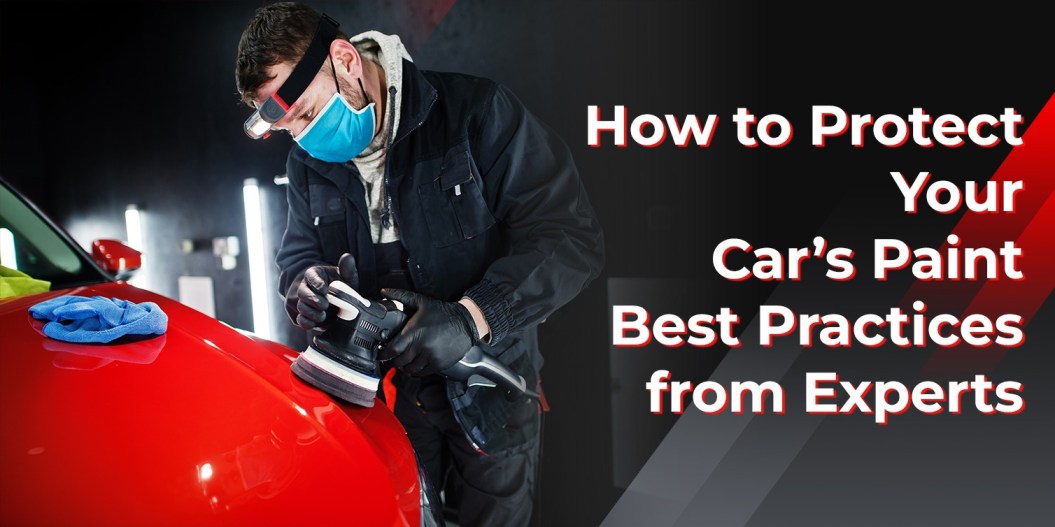
Credit: carheroz.com
Use Car Covers
Protecting new car paint is important to keep the car looking fresh. Car covers help shield your vehicle from dirt, sun, and scratches.
Using a car cover can extend the life of your paint by blocking harmful elements that cause damage.
When To Use Covers
Use car covers anytime the car is parked outside for long periods. Covers protect the paint from sun rays and bird droppings.
Cover the car during bad weather like rain, snow, or dust storms. This keeps the paint safe from stains and scratches.
- Parked outdoors for several hours or more
- During harsh weather conditions
- When parking in dusty or dirty areas
- To prevent scratches in crowded spaces
Selecting The Right Cover Material
Choose a cover made from soft, breathable material to avoid paint damage. The right cover stops moisture and heat buildup.
Look for covers that fit your car well. A loose cover may cause scratches from wind movement.
- Soft fabrics like cotton or microfiber
- Water-resistant or waterproof layers
- Breathable material to prevent moisture
- Custom fit covers for your car model
Frequently Asked Questions
How Often Should I Wash My New Car’s Paint?
Washing your new car every two weeks helps maintain its shine. Use mild car shampoo and soft cloths. Avoid harsh chemicals that can damage paint. Regular washing removes dirt and contaminants, preserving the paint’s finish and longevity.
What Products Protect New Car Paint Best?
Use high-quality wax or paint sealant for protection. These products create a barrier against UV rays and dirt. Apply every 3-4 months to keep the paint glossy and shielded. Avoid abrasive cleaners that can scratch the surface.
Is Ceramic Coating Worth It For New Paint?
Yes, ceramic coating offers long-lasting protection. It forms a durable layer that repels water and dirt. This reduces the need for frequent waxing and preserves paint integrity. It’s ideal for maintaining a new car’s finish in top condition.
Can Parking Location Affect New Car Paint?
Parking in shaded or covered areas protects paint from sun damage. UV rays cause fading and oxidation over time. Avoid parking under trees to prevent sap and bird droppings. Proper parking helps maintain the paint’s appearance longer.
Conclusion
Protecting your new car’s paint keeps it looking fresh and bright. Regular washing removes dirt that can cause scratches. Using wax adds a strong shield against sun and rain. Park in shaded areas to avoid fading from sunlight. Small steps each day make a big difference over time.
Your car will stay beautiful and hold its value longer. Take care now, enjoy the shine tomorrow. Simple habits protect your investment and bring pride.







