
Are you curious about whether radar detectors are legal in Texas? If you’ve ever thought about using one to avoid speeding tickets, it’s important to know the rules before you buy or use a device.
Understanding the laws can save you from unexpected fines or legal trouble. You’ll get clear, simple answers about radar detectors in Texas and what you need to keep in mind to stay safe and legal on the road. Keep reading to find out everything you should know before making a decision.

Credit: www.wikiwand.com
Radar Detector Laws In Texas
Radar detectors are devices that alert drivers about speed detection tools used by police. Many drivers wonder if these devices are allowed in Texas. The laws around radar detectors can vary by state and usage.
This article explains the current legal status of radar detectors in Texas and compares it with laws in other states.
Current Legal Status
In Texas, it is legal to use radar detectors in private vehicles. Drivers can mount and use these devices without breaking the law. There are a few important rules to keep in mind.
- Radar detectors are not allowed in commercial vehicles over 10,000 pounds.
- Using a radar detector in a commercial truck can lead to fines and penalties.
- Police officers can still stop drivers for speeding even if they have a radar detector.
- Radar jammers, which block radar signals, are illegal in Texas.
Comparison With Other States
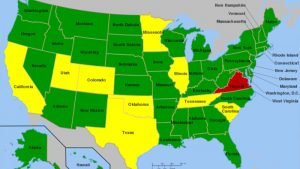
Radar detector laws differ across the United States. Some states allow them freely, while others ban them completely or in certain vehicles.
| State | Radar Detector Use | Notes |
| Texas | Legal in passenger vehicles | Illegal in commercial vehicles over 10,000 lbs |
| Virginia | Illegal | Radar detectors banned in all vehicles |
| California | Legal | No restrictions for private vehicles |
| Washington D.C. | Illegal | Strict ban on radar detectors |
| Florida | Legal | Allowed in passenger cars |
Credit: www.vortexradar.com
How Radar Detectors Work
Radar detectors help drivers find police radar signals. They warn about speed detection devices nearby.
These devices use radio waves to detect radar guns. They alert drivers to slow down before getting a ticket.
Basic Technology
Radar detectors receive radio signals sent by police radar guns. They scan different frequency bands used for speed detection.
- Radar guns emit radio waves at specific frequencies.
- Detectors listen for these signals on those frequencies.
- When a signal is detected, the device alerts the driver.
- Some detectors can filter out false alarms from other signals.
Common Uses
Many drivers use radar detectors to avoid speeding tickets. They work best on open roads and highways.
| Use | Details |
| Speed Monitoring | Detects police radar to alert drivers. |
| False Alarm Filtering | Reduces warnings from non-police signals. |
| Signal Strength | Indicates how close the radar source is. |
| Highway Use | Most effective where police use radar guns. |
Legal Consequences Of Using Radar Detectors
Radar detectors are devices that alert drivers about speed monitoring. Many drivers use them to avoid speeding tickets.
It is important to know the legal rules about radar detectors in Texas. Using these devices can lead to serious problems.
Fines And Penalties
In Texas, using radar detectors in passenger vehicles is legal. But some rules apply for commercial vehicles.
- Commercial trucks over 10,000 pounds cannot use radar detectors.
- If caught, truck drivers face fines up to $500.
- Repeated violations may lead to higher fines.
- Radar detectors can be confiscated by law enforcement.
Impact On Traffic Stops
Using a radar detector may affect how police handle traffic stops. Officers may watch drivers more closely.
| Effect | Details |
| Increased Attention | Officers may check the vehicle more carefully. |
| Possible Search | Radar detectors may lead to vehicle searches. |
| Evidence Against Driver | Detector use can be noted in police reports. |
| Driver Suspicion | May raise suspicion for other violations. |
Credit: www.roadspy.com
Alternatives To Radar Detectors
Radar detectors are illegal in Texas. Drivers need other ways to stay safe and avoid speeding tickets. There are good tools and habits to help you drive safely.
Using alternatives can keep you aware of your speed and help you follow traffic laws. These options work without breaking any rules.
Speed Awareness Tools
Speed awareness tools help drivers watch their speed. These tools do not block or detect radar signals. They focus on giving you clear speed information.
- Speedometers show your current speed
- GPS devices warn about speed limits
- Mobile apps alert you about speed zones
- Speed governors limit vehicle speed automatically
These tools keep you informed so you can slow down before getting a ticket. They also help you drive at safe speeds for road conditions.
Safe Driving Practices
Good driving habits are the best way to avoid speeding tickets. Paying attention and driving carefully lowers risks on the road.
- Always obey posted speed limits
- Watch for road signs and signals
- Keep a safe distance from other vehicles
- Plan your trips to avoid rushing
- Check your speed regularly while driving
Safe driving protects you and others. It helps you stay within the law without needing radar detectors.
Tips For Drivers In Texas
Driving in Texas requires attention to rules and awareness of the law. Knowing how to stay safe and avoid trouble helps every driver.
This guide offers simple tips to keep you on the right side of the law while driving in Texas.
Staying Within Speed Limits
Speed limits are set to keep roads safe. Driving within these limits lowers your risk of accidents and fines.
- Always watch for speed limit signs.
- Use cruise control on highways to maintain steady speed.
- Slow down in school zones and work areas.
- Check your speedometer often, especially in unfamiliar areas.
- Remember that speeding tickets can increase your insurance costs.
Avoiding Speed Traps
Speed traps are police setups to catch speeding drivers. Avoiding them saves money and stress.
| Tip | How It Helps |
|---|---|
| Drive with traffic flow | Blends in and reduces chances of standing out |
| Stay alert for sudden slowdowns | Prepares you for hidden officers ahead |
| Use apps or maps showing known trap locations | Alerts you early to adjust speed |
| Keep your vehicle in good condition | Prevents issues that might draw police attention |
Frequently Asked Questions
Are Radar Detectors Legal For Personal Use In Texas?
Yes, radar detectors are legal for personal use in Texas. The state does not prohibit their possession or use in private vehicles. However, commercial vehicles over 10,000 pounds are not allowed to use radar detectors under federal law.
Can Police Officers Confiscate Radar Detectors In Texas?
Police in Texas generally cannot confiscate radar detectors if used legally in private vehicles. Confiscation may occur if used in commercial vehicles or if involved in other violations. It’s important to comply with all traffic laws to avoid issues.
Are There Any Restrictions On Radar Detector Use In Texas?
Texas has no state laws restricting radar detector use in private cars. However, federal law bans radar detectors in commercial trucks over 10,000 pounds. Also, using radar jammers or laser jammers is illegal in Texas.
Does Texas Law Differ For Radar Detector Use In Commercial Vehicles?
Yes, Texas follows federal law banning radar detectors in commercial vehicles over 10,000 pounds. Drivers of these vehicles must not use or possess radar detectors while operating the vehicle on public roads.
Conclusion
Radar detectors are legal to use in Texas for private vehicles. Police cars and commercial vehicles cannot use them. Always check local laws before buying or using a detector. Remember, these devices do not guarantee you will avoid tickets. Drive carefully and follow speed limits to stay safe.
Understanding the rules helps you avoid fines and trouble. Stay informed and drive responsibly on Texas roads.







