
Have you ever wondered how your car’s GPS knows exactly where you are and guides you flawlessly to your destination? It’s more than just a screen with a map—it’s a smart system working behind the scenes to make your drive easier and stress-free.
Understanding how GPS works in your car can give you a new level of confidence every time you hit the road. Stick with me, and you’ll discover the simple magic inside your vehicle that keeps you on track, no matter where you’re going.
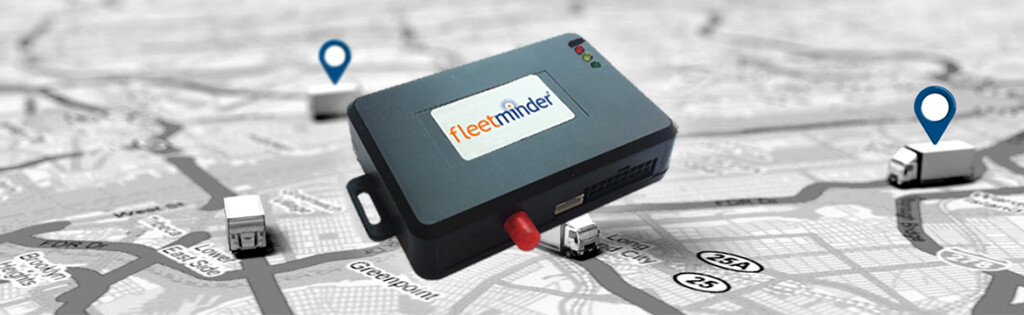
Credit: www.fleetminder.com.au
Gps Basics In Cars
GPS in cars helps drivers find their way. It shows where the car is on a map.
Cars use special technology to get signals from satellites. This lets the GPS know the car’s exact location.
Satellite Signals And Positioning
GPS satellites send signals to the car’s GPS receiver. These signals travel at the speed of light.
The GPS system uses signals from at least four satellites. This helps find the car’s exact position on Earth.
- Satellites orbit about 12,550 miles above Earth
- Each satellite sends a unique signal
- The GPS receiver calculates distance from each satellite
- Position is found by comparing these distances
Role Of Gps Receivers
GPS receivers are inside the car. They catch signals from GPS satellites.
The receiver uses signal data to find the car’s exact location. It updates the position many times per second.
- Receives signals from multiple satellites
- Calculates current location with high accuracy
- Tracks movement and speed of the car
- Works in most weather conditions
Map Data Integration
GPS systems use map data to show roads and places. The map data helps drivers see their route.
The GPS matches the car’s location to the maps. It gives directions and shows nearby points of interest.
- Displays roads, highways, and streets
- Shows landmarks and important locations
- Updates routes based on traffic and road changes
- Helps plan trips with turn-by-turn directions
Navigation System Components
GPS in cars helps drivers find their way. It uses parts that work together.
These parts include hardware, software, and user controls. Each part has a special role.
Hardware Elements
The hardware includes the GPS receiver and antennas. They catch signals from satellites in space.
Other hardware parts are the car’s display screen and the processor. They show maps and run the system.
- GPS antenna to receive satellite signals
- Processor to calculate location and routes
- Display screen to show maps and directions
- Power supply from the car battery
Software Functions
The software reads satellite data to find the car’s exact spot. It also plans the best path to the destination.
It updates maps and traffic info. The software can recalculate routes if there is a traffic jam or roadblock.
- Processes satellite signals for location
- Maps routes and gives turn-by-turn directions
- Updates real-time traffic and road data
- Recalculates routes when needed
User Interface Features
The user interface lets drivers interact with the GPS system. It shows clear maps and voice instructions.
Drivers can enter destinations, change settings, and view travel info easily. The interface is simple and safe to use while driving.
- Touchscreen or button controls
- Clear visual maps with zoom options
- Voice guidance for hands-free use
- Easy input for addresses and points of interest
Signal Processing And Accuracy
GPS in cars helps drivers find their way using signals from satellites. These signals must be processed accurately for correct location information.
Understanding how GPS signals work and what affects their accuracy helps improve navigation and safety.
How Signals Are Processed
GPS satellites send radio signals to the car’s receiver. The receiver calculates the distance from each satellite by measuring signal travel time.
The receiver uses distances from at least four satellites to find the car’s exact position through a process called trilateration.
- Satellites send time-stamped signals
- Receiver measures signal travel time
- Distance to each satellite is calculated
- Position is found using trilateration
Factors Affecting Accuracy
Several things can reduce GPS accuracy in cars. Buildings, trees, and tunnels can block or reflect signals, causing errors.
Atmospheric conditions and satellite position also impact the signal’s strength and timing, leading to less precise location data.
- Obstacles like buildings and trees
- Signal reflection causing delays
- Weather and atmospheric interference
- Satellite geometry and position
Improving Gps Precision
Using more satellites helps improve GPS accuracy. Modern receivers connect to GPS, GLONASS, or Galileo satellites for better signals.
Adding correction systems like Differential GPS (DGPS) or Real-Time Kinematic (RTK) can reduce errors to a few centimeters.
- Use multiple satellite systems
- Employ correction services like DGPS
- Keep clear view of the sky
- Update GPS receiver software regularly
Real-time Route Guidance
Cars use GPS to provide real-time route guidance. This helps drivers reach their destination quickly and safely.
GPS systems in cars calculate routes, update traffic conditions, and offer voice and visual directions. These features assist drivers in navigating efficiently.
Calculating Optimal Routes
GPS uses satellite data to determine the best routes. It considers distance, speed limits, and road types.
- Satellites track the car’s position.
- Data is analyzed for the quickest path.
- Routes are recalculated if needed.
Traffic And Road Condition Updates
Real-time traffic updates are essential for efficient driving. GPS systems alert drivers about accidents, road work, and congestion.
Traffic updates include:
- Accident reports
- Road closures
- Construction zones
Voice And Visual Directions
GPS provides voice instructions to keep drivers focused. Visual maps show turns and landmarks.
| Feature | Benefit |
| Voice Directions | Hands-free navigation |
| Visual Maps | Clear route overview |
| Landmark Indicators | Easy location recognition |
Smart Features In Modern Gps
Modern car GPS systems have many smart features. These features make driving easier and safer. They go beyond simple maps and directions.
These smart features connect with other devices and learn from your habits. They give you real-time help on the road.
Integration With Smartphones
Most modern GPS units connect with smartphones. This link allows the GPS to use your phone’s internet and apps. You get live traffic updates and route changes.
- Access contacts for easy destination entry
- Receive messages and calls hands-free
- Stream music from your phone through the car speakers
- Use your phone’s voice assistant through the GPS system
Voice Command Capabilities
Voice commands help drivers keep their eyes on the road. You can ask the GPS to find places or change the route. This feature reduces distractions.
Common voice commands include:
- “Find nearest gas station”
- “Take me home”
- “Show alternate routes”
- “What is my ETA?”
Adaptive Learning And Suggestions
Modern GPS systems learn your driving habits over time. They suggest routes and stops based on your history. This makes navigation faster and more personal.
| Feature | How it Helps |
| Frequent destination tracking | Suggests routes you use often |
| Time-based suggestions | Recommends best times to leave |
| Traffic pattern analysis | Offers alternate routes to avoid jams |
| Personalized alerts | Warns about road closures on your usual paths |
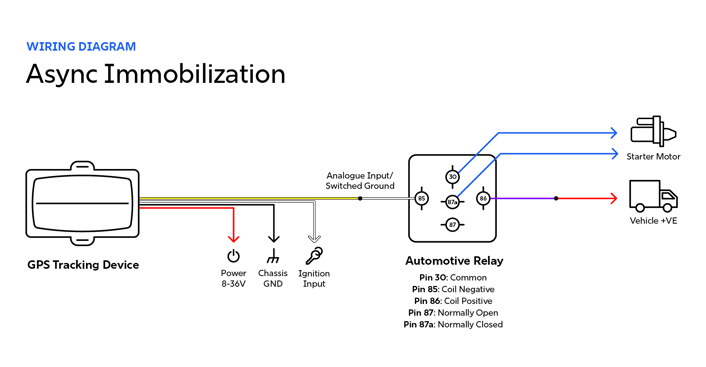
Credit: www.digitalmatter.com
Limitations And Challenges
GPS systems in cars help drivers find their way. They use satellites to show the car’s location on a map.
Even though GPS is useful, it has some problems and limits. These affect how well it works.
Signal Blockages And Interference
GPS signals come from satellites in space. Tall buildings, trees, and tunnels can block these signals.
When the signal is weak or lost, the GPS may show wrong locations or stop working.
- Urban areas with many tall buildings can cause signal loss.
- Driving through tunnels or under bridges blocks GPS signals.
- Dense forests or heavy rain can weaken the signals.
- Electronic devices may cause interference with GPS reception.
Battery And Power Concerns
GPS devices need power to work. In cars, the GPS uses the vehicle’s battery or its own battery.
If the battery runs low or dies, the GPS will stop working until it is charged or connected.
- Car battery issues can affect the GPS system.
- Portable GPS units need regular charging.
- Power interruptions can cause GPS to reset or lose data.
Privacy And Security Issues
GPS tracks the car’s exact location. This data can be sensitive and private.
Some systems send location data to companies, which may risk user privacy and security.
- Unauthorized tracking of the car’s location is a privacy risk.
- Hackers may access GPS data if security is weak.
- Users should check privacy settings on GPS devices and apps.
Future Trends In Car Navigation
Car navigation systems are evolving rapidly. New technologies are shaping how we travel. This guide explores future trends in car navigation.
From AI to augmented reality, the possibilities are expanding. These innovations promise to make driving safer and more efficient.
Ai And Machine Learning Enhancements
AI makes navigation smarter. It learns from routes you take. It predicts traffic patterns and suggests optimal paths.
- Real-time traffic updates
- Personalized route suggestions
- Improved fuel efficiency
Connected Vehicle Systems
Connected vehicles talk to each other. They share data about road conditions. This helps avoid accidents and reduce congestion.
| Feature | Benefit |
| Vehicle-to-Vehicle Communication | Reduces collisions |
| Traffic Light Synchronization | Decreases wait times |
| Remote Diagnostics | Improves maintenance |
Augmented Reality Navigation
Augmented reality enhances driving. It overlays navigation cues on the windshield. This keeps your eyes on the road.
Imagine seeing arrows on the street, guiding your turns. This technology is becoming more accessible.
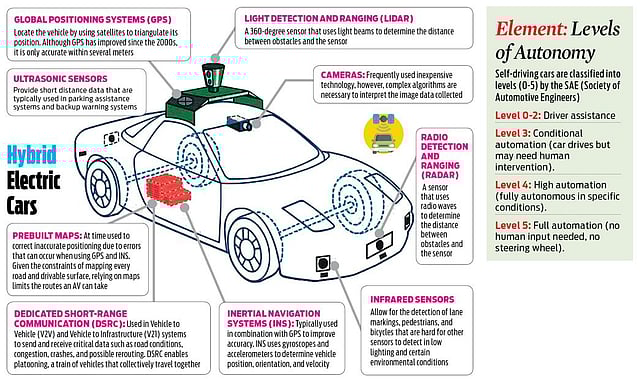
Credit: www.newindianexpress.com
Frequently Asked Questions
How Do Car Gps Systems Determine Location?
Car GPS systems use signals from multiple satellites to calculate the car’s exact position. The system measures the time it takes for signals to travel from satellites to the receiver. This process, called trilateration, helps pinpoint the car’s location accurately on a map.
What Technology Enables Gps Navigation In Cars?
GPS navigation in cars relies on satellite-based technology and onboard receivers. The car’s GPS receiver communicates with satellites to receive location data. This data is then processed to provide real-time directions and maps, helping drivers navigate efficiently.
Can Car Gps Work Without Internet Connection?
Yes, car GPS can work without an internet connection. GPS satellites provide location data independently of the internet. However, some features like live traffic updates or map downloads may require internet access to function properly.
How Accurate Is Gps In Cars For Navigation?
Car GPS systems are typically accurate within 5 to 10 meters. Accuracy depends on satellite signal strength, environmental factors, and receiver quality. Modern GPS units combine satellite data with other sensors to enhance location precision.
Conclusion
GPS in cars helps drivers find routes quickly and safely. It uses satellites to track your exact location. The system guides you turn by turn. It updates routes if traffic slows down. You can reach new places without getting lost.
GPS makes driving easier and less stressful. Everyone can benefit from this smart technology. It keeps you on the right path every time. Understanding how GPS works helps you use it better. Simple, reliable, and helpful—GPS is a great driving tool.







