
Want your car to run smoother and look great under the hood? Cleaning your car engine is easier than you think, and it can boost your vehicle’s performance and lifespan.
But if you’re unsure where to start or worried about causing damage, you’re not alone. In this guide, you’ll discover simple, step-by-step tips that anyone can follow to safely and effectively clean their car engine. Keep reading, and you’ll soon have a cleaner engine that helps your car feel like new.

Credit: www.youtube.com
Tools And Materials Needed
Cleaning a car engine requires the right tools and materials. Using proper supplies helps avoid damage and makes the job easier.
This guide covers the essential cleaning supplies and protective gear you need before starting the task.
Essential Cleaning Supplies
Gather these cleaning supplies to ensure a thorough and safe engine cleaning process.
- Engine degreaser to remove oil and grime
- Soft-bristle brushes for scrubbing tight spaces
- Plastic bags and tape to cover sensitive parts
- Garden hose or pressure washer for rinsing
- Microfiber cloths for drying and wiping
- Bucket filled with warm, soapy water
- Spray bottle for applying cleaning solutions
Protective Gear
Wear protective gear to keep yourself safe from chemicals and dirt during engine cleaning.
| Item | Purpose |
| Gloves | Protect hands from harsh chemicals and dirt |
| Safety goggles | Shield eyes from splashes and debris |
| Old clothes | Protect skin and avoid ruining good clothing |
| Face mask | Prevent inhaling fumes or dust |
Preparing Your Car Engine
Cleaning your car engine keeps it running well and looking good. Before you start, you must prepare the engine carefully.
Proper preparation helps protect your engine parts and makes cleaning easier and safer.
Cool Down The Engine
Never clean your engine while it is hot. A hot engine can cause burns or damage when water touches it.
Wait at least one hour after turning off your car. This lets the engine cool to a safe temperature.
Cover Sensitive Parts
Cover parts that water can damage, like the battery, air filter, and electrical connections.
Use plastic bags or waterproof covers to protect these areas before cleaning.
- Wrap the battery terminals
- Cover the air intake and filter
- Protect exposed wires and sensors
Choosing The Right Cleaning Method
Cleaning a car engine needs care and the right approach. Using the wrong way can damage parts.
Pick a method that fits your engine’s condition and your tools. Safety is important too.
Degreaser Selection
Choosing the right degreaser helps remove dirt and oil safely. Some degreasers work better on tough grease.
Look for degreasers made for car engines. Avoid harsh chemicals that can harm rubber or plastic parts.
- Water-based degreasers are gentle and eco-friendly
- Solvent-based degreasers remove heavy grease quickly
- Use biodegradable options to protect the environment
- Test on a small area before full use
Water Pressure Options
Water pressure helps rinse off dirt after applying degreaser. Too much pressure can damage engine parts.
Choose a pressure level that cleans well without pushing water into sensitive areas like electrical parts.
- Low pressure (around 500-1000 PSI) is safe for most engines
- Use a garden hose for gentle rinsing
- High pressure (above 1500 PSI) may harm seals and wiring
- Keep water away from air intake and exposed electronics
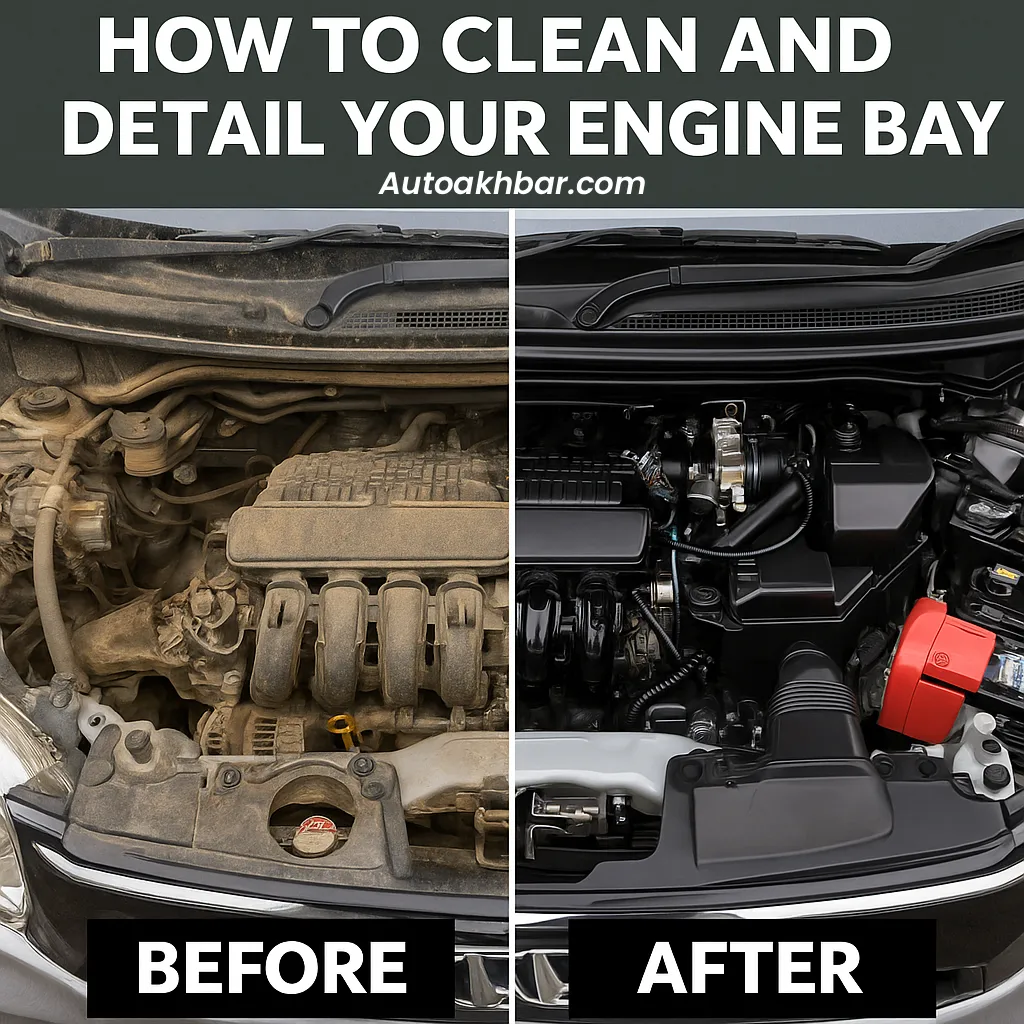
Credit: autoakhbar.com
Step-by-step Cleaning Process
Cleaning your car engine helps keep it running smoothly. Dirt and grease can build up and cause problems. Follow these steps to clean your engine safely and effectively.
Make sure to prepare your workspace and gather all materials before you start. Wear protective gloves and work in a well-ventilated area.
Applying Degreaser
Start by spraying a degreaser on the engine surface. Focus on areas with heavy grease and oil buildup. Let the degreaser sit for a few minutes to break down the grime.
- Choose a degreaser suitable for car engines.
- Cover sensitive parts like the battery and air intake with plastic.
- Spray the degreaser evenly on the engine surface.
- Wait 5 to 10 minutes to let it work.
Scrubbing And Agitation
Use a brush to scrub the engine parts gently. This helps remove tough dirt and grease. Be careful around wires and delicate components.
- Use a soft or medium-bristle brush.
- Focus on greasy areas and corners.
- Do not use too much force to avoid damage.
- Wipe off loosened grime with a cloth.
Rinsing Techniques
Rinse the engine carefully to remove the degreaser and dirt. Avoid using high-pressure water that can harm electrical parts. Use a gentle water flow instead.
| Rinsing Method | Details |
|---|---|
| Low-pressure hose | Use a gentle spray to rinse dirt away without damage. |
| Wet cloth wipe | For sensitive areas, wipe with a damp cloth instead of spraying. |
| Dry with air blower | Remove excess water from the engine to prevent rust. |
Drying And Finishing Touches
After cleaning your car engine, it is important to dry it properly. Drying helps prevent water spots and protects the engine from rust. Finishing touches keep the engine looking clean and help maintain its parts.
Different methods exist for drying your engine. You also need to protect sensitive engine components during the process. This guide covers both topics clearly.
Air Dry Vs. Towel Dry
Air drying lets water evaporate naturally from the engine. It is gentle but takes longer. Towel drying uses a soft cloth to remove water faster. It needs care to avoid damage.
- Air Dry:No contact with the engine, safe for delicate parts.
- Towel Dry:Quick drying, but use microfiber towels only.
- Risks:Rough towels can scratch surfaces or push water into crevices.
- Best Practice:Use air drying first, then gently towel dry hard-to-reach spots.
Protecting Engine Components
Some parts of the engine need extra care during cleaning and drying. Cover or avoid spraying these components to prevent damage.
| Component | Protection Method | Reason |
| Electrical Connections | Cover with plastic bags or foil | Prevent short circuits from moisture |
| Air Intake | Seal or avoid spraying water | Stop water from entering engine |
| Battery | Keep dry and clean terminals | Prevent corrosion and electrical faults |
| Sensors | Cover or avoid direct spray | Protect sensitive electronics |
Common Mistakes To Avoid
Cleaning a car engine can keep it running smoothly. But many make mistakes that can harm the engine.
Knowing what to avoid is important for a safe and effective cleaning.
Using Too Much Water
Using too much water can damage the car engine. Water can seep into parts that should stay dry.
It is best to use a damp cloth or a small spray bottle. This helps control the amount of water used.
- Keep water away from sensitive areas
- Use a damp cloth for tight spots
- Dry areas thoroughly after cleaning
Ignoring Electrical Parts
Electrical parts are crucial for engine function. Ignoring them during cleaning can cause problems.
Cover electrical parts with plastic bags or wrap. This prevents water from causing damage.
- Identify all electrical components
- Use covers to protect them
- Check for any water after cleaning
Maintenance Tips For Lasting Cleanliness
Keeping your car engine clean helps it run smoothly. Regular cleaning is important for engine health.
These tips will guide you to maintain a clean engine with ease.
Regular Cleaning Schedule
Set up a routine to clean your car engine. A regular schedule ensures dirt and grime do not build up.
- Wash your engine every two months.
- Use a gentle cleaner to avoid damage.
- Rinse thoroughly to remove all cleaner residue.
- Dry with a clean towel to prevent spots.
Spot Cleaning Between Washes
Spot cleaning keeps your engine tidy between regular washes. Focus on visible dirt or spills.
Use a soft brush to gently remove dirt from engine surfaces. This method is effective for quick touch-ups.
| Tool | Use |
| Soft Brush | Remove loose dirt |
| Microfiber Cloth | Wipe spills |
| Engine Cleaner | Spot clean stains |

Credit: autopartswd.com
Frequently Asked Questions
How Often Should I Clean My Car Engine?
Cleaning your car engine every 12 months is ideal. Regular cleaning prevents dirt buildup, improves performance, and extends engine life. Avoid frequent washes to prevent damage to sensitive parts. Always check your owner’s manual for specific recommendations.
What Tools Do I Need To Clean A Car Engine?
You need a degreaser, soft brush, plastic bags, water hose, and microfiber cloth. Use protective gloves and goggles for safety. Avoid high-pressure water to protect electrical components. Proper tools ensure effective and safe cleaning.
Can I Use Household Cleaners To Clean My Car Engine?
No, household cleaners can damage engine parts and remove protective coatings. Use engine-specific degreasers designed for automotive use. These products are safe, effective, and formulated to break down grease without harming components.
Is It Safe To Clean A Car Engine With Water?
Yes, but use water carefully and avoid high pressure. Cover sensitive parts like the battery, air intake, and alternator with plastic. Use minimal water and ensure the engine is cool before cleaning. Proper technique prevents electrical damage.
Conclusion
Cleaning your car engine keeps it running smooth and cool. Dirt and grime can cause problems if left unchecked. Use gentle tools and proper cleaners for best results. Take your time and be careful around sensitive parts. Regular cleaning helps spot leaks or damage early.
Your car will last longer and look better too. A clean engine means better performance and fewer repairs. Simple steps make a big difference in car care. Try it today and enjoy a healthier engine tomorrow.







