
Have you ever wondered how your car knows exactly where you are and guides you straight to your destination? GPS in your car is a powerful tool that makes navigation simple and stress-free.
But how does it actually work? Understanding the basics of GPS can help you use it smarter and get the most out of your driving experience. Keep reading, and you’ll discover the secrets behind this amazing technology that’s already built into your vehicle.
How Gps Signals Work
GPS helps cars find their exact location on Earth. It uses signals from satellites in space.
These signals carry information that your car’s GPS system uses to show where you are.
Satellite Network Basics
The GPS system has many satellites orbiting the Earth. They send signals to GPS receivers in cars.
Each satellite moves in a fixed path and knows its exact position at all times.
- There are about 30 active GPS satellites.
- Satellites orbit about 12,550 miles above Earth.
- They continuously send timing signals.
Signal Transmission And Reception
Satellites send radio signals to GPS receivers in cars. These signals travel at the speed of light.
The car’s GPS receiver catches the signals and measures how long each took to arrive.
- Signal includes satellite’s position and time sent.
- Receiver compares signal time with its own clock.
- This helps calculate the distance to each satellite.
Triangulation Process
The GPS receiver uses distances from at least three satellites to find the car’s location.
This method is called triangulation. It finds the exact point where the distances meet.
- Distance to satellite 1 creates a sphere around it.
- Distance to satellite 2 creates another sphere.
- Distance to satellite 3 creates a third sphere.
- The car is where all three spheres overlap.
Credit: medium.com
Components Of Car Gps Systems
A car GPS system helps drivers find their way by using satellite signals. It has several key parts that work together. Each part plays an important role in guiding the driver.
Understanding these parts helps explain how GPS systems work inside a car. The main components are the GPS receiver, display interface, and software with maps.
Gps Receiver
The GPS receiver is the device that gets signals from satellites. It uses these signals to find the car’s exact position on Earth.
This receiver calculates the distance to at least four satellites. Then it uses this data to find the car’s location, speed, and direction.
- Receives signals from GPS satellites
- Calculates the car’s exact position
- Determines speed and direction
Display Interface
The display interface shows the map and directions to the driver. It can be a screen on the dashboard or a built-in part of the car.
Drivers use this interface to see routes, traffic info, and alerts. It often has touch controls or buttons for easy use while driving.
- Shows maps and directions clearly
- Provides route and traffic updates
- Includes controls for user input
Software And Maps
Software processes GPS data and plans the best routes. It uses digital maps stored inside the system or online.
The maps show roads, landmarks, and points of interest. The software updates routes to avoid traffic or road closures.
- Processes location data from the receiver
- Contains digital maps of streets and places
- Updates routes based on traffic or changes
Navigation Features Explained
GPS in cars helps drivers find their way easily. It uses satellites to show the exact location on a map.
This technology offers many features that improve driving experience and safety on the road.
Real-time Location Tracking
GPS devices receive signals from satellites to know the car’s exact position. This location updates every second.
- Shows current position on the map
- Helps in finding nearby places
- Records routes for future reference
Route Calculation
The GPS calculates the best path from the starting point to the destination. It considers distance and time.
| Route Type | Description |
| Fastest | Shortest time with possible tolls |
| Shortest | Least distance, may take longer |
| Avoid Highways | Routes without highways |
| Avoid Tolls | Routes without toll roads |
Traffic And Road Updates
GPS systems receive live traffic data to avoid delays. They inform about accidents, roadwork, and slow traffic.
Common traffic alerts include:
- Road closures
- Heavy traffic zones
- Accidents ahead
- Construction work
Advantages Of Gps In Cars
GPS in cars helps drivers find their way easily. It uses satellites to show exact locations on a map.
Many cars now have GPS systems that improve driving in many ways. Let’s look at some key benefits.
Improved Safety
GPS helps drivers avoid getting lost on unknown roads. This reduces stress and dangerous situations.
It also guides drivers to safe routes and warns about traffic or road hazards ahead.
- Reduces chances of accidents caused by confusion
- Provides real-time traffic updates
- Helps emergency services find your location quickly
Fuel Efficiency
GPS shows the shortest and fastest routes to destinations. This helps save fuel by avoiding long detours.
It can also avoid traffic jams and slow roads, which reduces fuel waste during stop-and-go driving.
- Chooses routes with less traffic
- Reduces idle time in traffic jams
- Helps maintain steady speeds for better mileage
Time Saving
GPS gives quick directions so drivers do not waste time searching for addresses. It shows the best way to reach places fast.
It also updates routes if there are delays, helping drivers avoid slow roads and save time.
- Provides turn-by-turn directions
- Offers alternate routes in case of traffic
- Helps plan trips with estimated arrival times
Common Gps Challenges
GPS devices in cars help drivers find routes and locations. Still, they face some common problems. These issues can affect the GPS performance and your driving experience.
Understanding these challenges helps you use your GPS better. It also prepares you for times when the system might not work perfectly.
Signal Loss And Interference
GPS signals come from satellites high above the Earth. Buildings, tunnels, and trees can block these signals. This causes the GPS to lose connection and stop working correctly.
Electronic devices inside the car can also cause interference. This weakens the GPS signal and reduces accuracy.
Map Accuracy Issues
Maps in GPS devices may not always be up to date. Roads change, new streets are added, and some areas get renamed. Old maps can give wrong directions or miss new routes.
- Road closures might not be shown on the map.
- New buildings can block paths that the map shows open.
- Incorrect speed limits can cause wrong alerts.
- Some places may have wrong names or missing details.
Battery And Power Concerns
| Issue | Cause | Effect |
| Low Battery | Long use without charging | GPS shuts down or dims screen |
| Power Cut | Loose car charger connection | GPS stops working suddenly |
| High Power Use | Bright screen and constant GPS signal | Battery drains quickly |
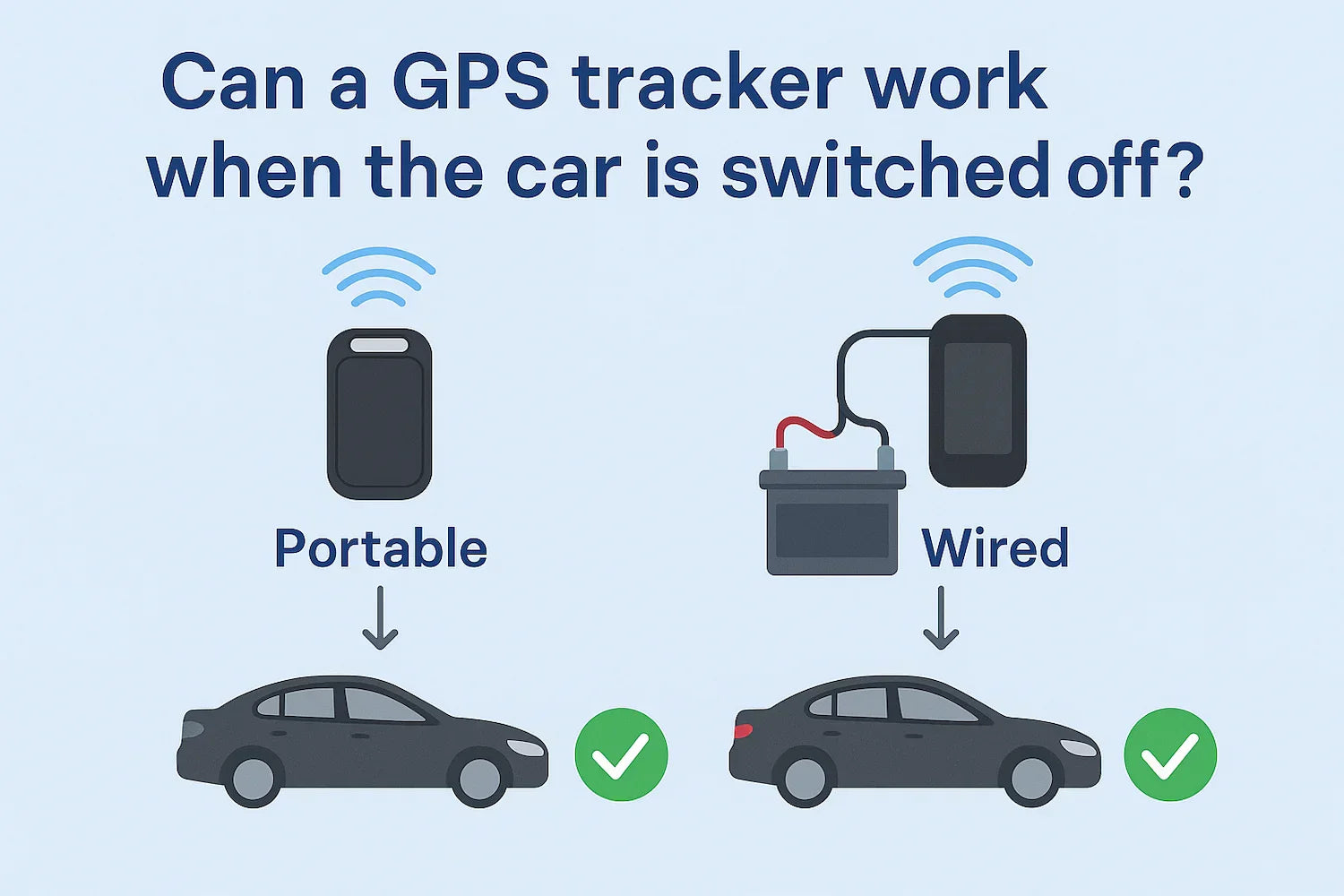
Keeping your GPS charged and checking power connections help avoid these problems. Using power-saving modes can also extend battery life.

Credit: blog.eyespysupply.com
Future Trends In Car Gps
Car GPS systems are getting smarter every year. These systems help drivers find the best routes and avoid traffic jams. Let’s explore the future trends in car GPS technology.
These trends include integration with autonomous driving, enhanced connectivity, and advanced mapping technologies. Each trend will improve how GPS works in our cars.
Integration With Autonomous Driving
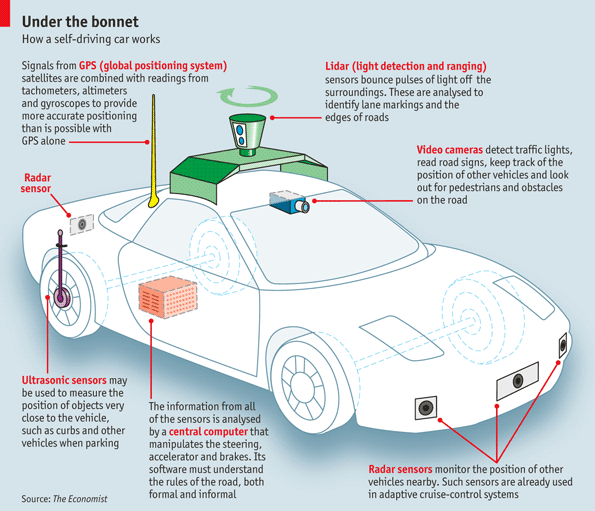
GPS is important for autonomous cars. It helps the car know where it is and where it should go. GPS works with sensors and cameras to guide the car safely.
In the future, GPS will become more accurate. This will help self-driving cars navigate better in cities and on highways.
Enhanced Connectivity
Cars will connect to the internet to get real-time updates. This means GPS can find faster routes and avoid traffic in real-time.
Enhanced connectivity will also allow cars to communicate with each other. This can help prevent accidents and improve traffic flow.
- Real-time traffic updates
- Car-to-car communication
- Better route planning
Advanced Mapping Technologies
Mapping technologies are getting more advanced. GPS can now include 3D maps and detailed street views. This helps drivers see the road better and plan their routes.
In the future, maps will update instantly as roads change. This will help drivers avoid construction zones and new roadblocks.
| Feature | Benefit |
| 3D Maps | Better navigation |
| Instant Updates | Avoid roadblocks |
Credit: i-trac.cn
Frequently Asked Questions
How Does Gps In Car Navigation Work?
GPS in cars uses satellite signals to determine your exact location. The system calculates your position by triangulating signals from at least four satellites. This data helps provide real-time directions and route guidance for efficient travel.
What Are The Main Components Of Car Gps?
Car GPS systems include a receiver, antenna, and software. The receiver picks up satellite signals, the antenna enhances signal quality, and the software processes location data to display maps and routes on the car’s screen.
Can Car Gps Work Without Internet Connection?
Yes, car GPS can work without internet. It uses satellite signals, not internet data, for location tracking. However, some features like live traffic updates require an internet connection to function properly.
How Accurate Is Gps In Cars?
Car GPS accuracy typically ranges from 3 to 10 meters. Accuracy depends on satellite signal strength, environmental factors, and the quality of the GPS receiver. Modern systems provide highly reliable navigation for everyday driving.
Conclusion
GPS in cars helps drivers find routes quickly and safely. Satellites send signals to your car’s GPS device. It calculates your exact location using these signals. This system updates your position as you move. GPS also shows traffic and road conditions.
It makes traveling easier, especially in unknown places. Knowing how GPS works helps you trust it more. Using GPS saves time and reduces stress on the road. It is a useful tool for every driver today.







