
If you want your car’s paint to look flawless, choosing the right sandpaper is a must. Whether you’re fixing scratches, smoothing out rough spots, or preparing your car for a fresh coat of paint, the sandpaper you pick can make all the difference.
You might think all sandpapers are the same, but using the wrong type can ruin your paint job and cost you time and money. You’ll discover exactly what sandpaper works best for car paint and how to use it like a pro.
Keep reading to learn the secrets that will help you achieve a smooth, shiny finish every time.

Credit: lordco.com
Types Of Sandpaper For Cars
Sandpaper is essential for car paint work. It helps smooth surfaces and remove defects. Choosing the right type of sandpaper matters for good results.
This guide explains different types of sandpaper used for cars. Learn about wet vs dry sandpaper, grit sizes, and materials.
Wet Vs Dry Sandpaper
Wet sandpaper works with water or lubricant. It reduces dust and heat. Dry sandpaper is used without liquids and creates more dust.
- Wet sandpaper gives a smoother finish on car paint.
- Dry sandpaper is easier to use but may scratch the surface.
- Wet sanding is best for clear coats and final polishing.
- Dry sanding is good for quick rough sanding and rust removal.
Grit Sizes Explained
Grit size tells how rough or smooth sandpaper is. Lower numbers mean coarse grit. Higher numbers mean fine grit.
| Grit Size | Use | Effect on Paint |
|---|---|---|
| 80-120 | Removing old paint, rust | Very rough, removes material fast |
| 150-320 | Sanding primer and base coats | Medium rough, smooths surface |
| 400-600 | Wet sanding clear coat | Fine grit, smooth finish |
| 800-1500+ | Polishing and final finishing | Very fine, removes small scratches |
Material Composition
Sandpaper has different materials that affect its use. Common types include aluminum oxide, silicon carbide, and garnet.
- Aluminum oxide:Durable and good for metal and paint.
- Silicon carbide:Sharp and works well with wet sanding.
- Garnet:Softer, used for wood but less common on cars.
Choosing The Right Sandpaper
Choosing the right sandpaper is important for fixing car paint properly. Using the wrong type can cause more damage or waste time.
This guide helps you pick the right sandpaper based on your car paint’s condition and the tools you use.
Assessing Paint Condition
Check your car’s paint for scratches, chips, or peeling. New paint needs light sanding. Old or rough paint needs coarser sandpaper.
Look closely for areas that need extra care. Knowing the paint condition helps you choose the correct grit.
Matching Grit To Task
- Coarse grit (40-60) removes old paint and deep scratches.
- Medium grit (80-150) smooths rough surfaces and edges.
- Fine grit (180-320) prepares the surface for primer or paint.
- Very fine grit (400+) is for polishing and finishing touches.
Choose grit based on how much paint you want to remove or smooth. Start with a lower grit if unsure, then move finer.
Tools Compatibility
| Tool Type | Recommended Sandpaper Grit | Notes |
| Hand sanding block | 80-320 | Good control for small areas |
| Orbital sander | 60-180 | Use medium grit for even sanding |
| DA sander | 40-150 | Best for large surface areas |
| Wet sanding | 1000+ | Use waterproof sandpaper only |
Check that the sandpaper fits your tool. Using the wrong type can cause damage or reduce sanding quality.
Preparing For Sanding
Proper preparation is key before sanding car paint. It helps you get smooth and even results.
Follow these steps carefully to protect the surface and yourself during sanding.
Cleaning The Surface
Remove dirt and grease from the car’s paint before sanding. This prevents scratches and uneven sanding.
- Wash the area with car soap and water
- Use a clean cloth to dry the surface
- Apply a degreaser if needed to remove oils
- Allow the surface to dry completely
Masking Off Areas
Cover parts you do not want to sand or damage. Masking protects trim, glass, and other finishes.
Use painter’s tape and plastic sheets. Secure edges well to avoid dust getting underneath.
| Area | Recommended Masking |
|---|---|
| Windows | Painter’s tape with plastic film |
| Trim and Badges | Masking tape or paper |
| Headlights and Taillights | Plastic wrap and tape |
Safety Precautions
Wear protective gear to avoid injury and irritation during sanding. Sandpaper dust can harm your lungs and eyes.
- Put on safety goggles to protect your eyes
- Wear a dust mask or respirator
- Use gloves to protect your hands
- Work in a well-ventilated area
- Keep a first aid kit nearby
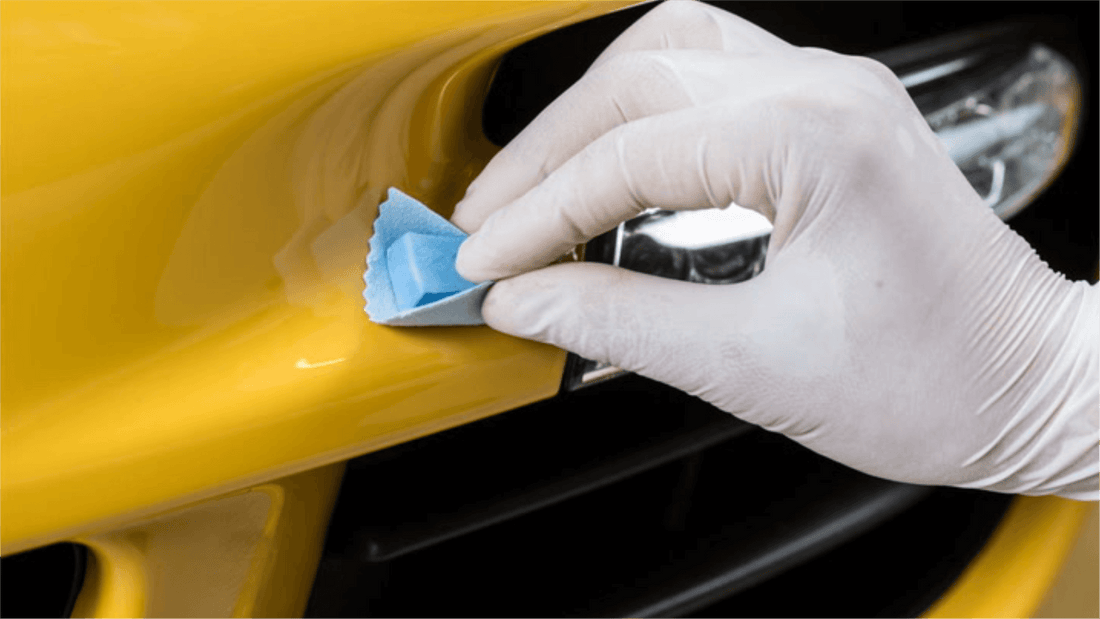
Credit: fastplus.eu
Techniques For Sanding Car Paint
Sanding car paint helps smooth the surface and remove imperfections. It is important to use the right methods to avoid damage.
Different sanding techniques suit different needs. Wet sanding and dry sanding each have their own steps and tips.
Wet Sanding Steps
Wet sanding softens the paint surface and reduces dust. Use water and sandpaper together for best results.
- Soak the sandpaper in water for 10 minutes.
- Spray water on the car paint surface to keep it wet.
- Sand gently in a circular motion with light pressure.
- Rinse the area often to remove paint particles.
- Wipe the surface with a clean cloth after sanding.
Dry Sanding Tips
Dry sanding works well for small spots or quick fixes. It requires careful handling to avoid scratches.
| Tip | Reason |
|---|---|
| Use fine grit sandpaper (1500-2000 grit) | Prevents deep scratches on the paint |
| Sand with light, even pressure | Reduces risk of uneven surface |
| Work in a shaded area | Stops paint from drying too fast |
| Clean the surface before sanding | Removes dirt that can cause scratches |
Avoiding Common Mistakes
Many people make errors that damage the paint while sanding. Knowing what to avoid helps protect the car’s finish.
- Do not sand dry without water on large areas.
- Avoid pressing too hard on the sandpaper.
- Do not use coarse sandpaper on finished paint.
- Never skip cleaning the surface before and after sanding.
- Do not rush; sanding takes time for smooth results.
Finishing After Sanding
After sanding car paint, the surface must be smooth. This step is crucial for a polished look.
Proper finishing ensures the paint lasts longer. It also makes the car shine brightly.
Polishing Methods
Polishing brings out the car’s shine. It removes small scratches left by sanding.
You can use machines or hand polish. Each method suits different needs.
- Machine polish for quick results
- Hand polish for detailed areas
- Use polish compound for best effect
Applying Primer And Paint
Primer prepares the surface for paint. It helps the paint stick better.
Apply thin coats of paint. Let each coat dry before adding another.
| Step | Action |
| 1 | Apply primer |
| 2 | First coat of paint |
| 3 | Second coat of paint |
Protective Coatings
Protective coatings shield the paint. They keep it safe from weather and scratches.
Wax or sealants are common choices. These add a layer of protection.
- Wax for a shiny finish
- Sealant for longer protection
- Apply in a circular motion

Credit: lordco.com
Maintaining Sandpaper And Tools
Sandpaper is essential for car paint projects. Proper care extends its life and ensures effectiveness. Learn how to clean, store, and know when to replace your sandpaper.
Maintaining sandpaper and tools keeps them in good condition. This guide will help you make the most of your sanding supplies.
Cleaning Sandpaper
Regular cleaning removes debris that clogs sandpaper. This helps maintain its grit and performance. Use a simple cleaning method to keep it effective.
- Tap the sandpaper gently to remove loose particles.
- Use a soft brush to remove stubborn debris.
- Rinse with water if the sandpaper is waterproof.
- Let it dry completely before next use.
Storage Tips
Proper storage keeps sandpaper in good shape. Follow these tips to avoid damage and prolong its life.
- Store sandpaper flat to prevent curling.
- Avoid humid areas to keep it dry.
- Use a sealed container for protection.
- Label different grits for easy access.
When To Replace
Knowing when to replace sandpaper is crucial for efficient work. Worn-out sandpaper reduces effectiveness and can damage surfaces.
| Condition | Action |
| Grit feels smooth | Replace |
| Paper tears easily | Replace |
| Uneven sanding results | Replace |
Troubleshooting Sanding Issues
Sanding car paint is a key step in car repair and painting. It helps smooth the surface and fix problems. Sometimes, sanding causes issues that need fixing.
This guide explains how to solve common sanding problems. Follow simple tips to get better results with sandpaper on car paint.
Fixing Scratches
Scratches happen if the sandpaper is too rough or used with too much pressure. Light scratches can ruin the paint finish. Fix scratches by sanding gently.
Use finer grit sandpaper to smooth scratches. Always sand in the direction of the scratch. Clean the area often to see your progress.
- Start with 800 grit sandpaper
- Switch to 1500 or 2000 grit for a smooth finish
- Use water to wet sand and reduce scratches
- Finish with polishing compound to restore shine
Dealing With Paint Peeling
Paint peeling happens when old paint is weak or the surface was dirty. Sanding can make peeling worse if done carelessly. Remove all loose paint before sanding.
Use medium grit sandpaper to remove peeling spots. Sand around the edges to blend the area. Make sure the surface is clean and dry before repainting.
- Remove loose paint with a scraper or sanding block
- Sand edges smoothly to avoid bumps
- Clean surface with a cloth and mild cleaner
- Prime the area before applying new paint
Handling Uneven Surfaces
Uneven surfaces can cause problems for paint jobs. Sanding helps level these areas but must be done carefully. Use light pressure and check often.
Start with coarse sandpaper for high spots. Move to finer grits to smooth the surface. Keep sanding until the surface feels even to touch.
- Identify high and low spots by touch or sight
- Use 400-600 grit sandpaper for rough areas
- Switch to 1000-1500 grit for smoothing
- Wipe surface clean between sanding steps
Best Brands And Products
Choosing the right sandpaper helps protect your car’s paint. It smooths surfaces before painting or polishing. Different brands offer various qualities and prices.
This guide covers top sandpaper brands, useful accessories, and budget versus premium options. Use this info to pick the best product for your car paint job.
Top Sandpaper Brands
Some brands are known for quality and durability. They make sandpaper that works well on car paint without causing damage.
- 3M: Offers a wide range of sandpaper types for wet and dry use.
- Mirka: Known for fine grit and smooth finish products.
- Gator Finishing: Good for cost-effective sanding sheets and discs.
- Meguiar’s: Specializes in automotive sandpaper and polishing products.
- Festool: Provides premium sandpaper often used by professionals.
Recommended Accessories
Using the right tools with sandpaper improves results and saves time. Accessories help you hold, wet, and clean the sandpaper properly.
| Accessory | Purpose |
| Sanding Block | Holds sandpaper flat for even pressure |
| Spray Bottle | Keeps sandpaper wet during wet sanding |
| Dust Mask | Protects lungs from dust particles |
| Microfiber Cloth | Cleans surface after sanding |
| Backing Pad | Attaches sandpaper to power sanders |
Budget Vs Premium Options
Budget sandpapers cost less but may wear out faster. Premium options last longer and offer better finish quality.
- Budget:Good for small projects or few uses. May need frequent replacement.
- Premium:Better for professional work or large jobs. Saves money over time with durability.
- Consider Grit:Higher grit means smoother finish. Premium brands often have more grit choices.
- Material:Premium sandpapers use better abrasives like ceramic or aluminum oxide.
Frequently Asked Questions
What Grit Sandpaper Is Best For Car Paint?
For car paint, start with 1500-2000 grit sandpaper for wet sanding. It smooths the surface without damaging paint. Use finer grits for polishing and finishing. Always wet the sandpaper to avoid scratches and achieve a professional finish.
Can Sandpaper Remove Scratches From Car Paint?
Yes, sandpaper can remove minor scratches by smoothing the paint surface. Use fine grit (2000+) wet sandpaper carefully. Avoid aggressive sanding to prevent paint damage. Always finish with polishing compounds for a smooth, shiny surface.
How To Use Sandpaper On Car Paint Properly?
Wet the sandpaper before use to reduce scratches. Sand lightly in circular motions, keeping the surface wet. Use finer grits gradually to smooth out imperfections. Finish with polishing to restore shine and protect the paint.
Is Wet Sanding Better For Car Paint Than Dry Sanding?
Yes, wet sanding is better because it reduces heat and friction. It prevents paint damage and scratches. Wet sanding smooths the surface effectively, preparing it for polishing. Always keep the sandpaper and surface wet during the process.
Conclusion
Choosing the right sandpaper helps protect your car’s paint. Use the correct grit to avoid damage. Always sand gently and follow proper steps. This keeps the paint smooth and ready for touch-ups. Proper sanding improves the look and life of your car’s finish.
Take your time for the best results. Simple care makes a big difference in car maintenance.







