
Is your car’s paint starting to peel and reveal the metal underneath? It’s frustrating to see your vehicle’s shiny finish turn dull and damaged.
But don’t worry—you don’t have to live with peeling paint or rush to the shop just yet. You can fix it yourself and bring back that smooth, fresh look your car once had. You’ll learn simple, step-by-step methods to stop the peeling and protect your car from further damage.
Keep reading to discover how easy it is to restore your car’s paint and make it look great again.

Credit: www.reddit.com
Identify Paint Peeling Causes
Peeling paint on a car looks bad and can damage the metal underneath. To fix peeling paint, you must first find out why it happened.
Knowing the cause helps you prevent future problems and choose the right repair method. Let’s look at the main reasons paint peels from cars.
Common Reasons For Peeling
Paint can peel for many reasons. Some causes are from the car’s condition. Other times, the environment plays a role.
Most peeling happens because of bad paint jobs or damage from outside factors. Identifying the exact cause is important for repair.
Environmental Factors
Heat, sun, rain, and salt can harm your car’s paint. These factors wear the paint down over time.
Extreme weather can cause the paint to crack and peel away from the car’s surface.
- Strong sunlight fades and weakens paint
- Rain and humidity cause rust under paint
- Road salt speeds up paint damage in winter
- Temperature changes make paint expand and crack
Previous Paint Job Issues
A poor paint job can cause peeling soon after painting. This happens if the surface was not cleaned well or paint was applied incorrectly.
Using low-quality paint or skipping primer also leads to paint coming off easily.
- Dirty or oily surface before painting
- No primer used under the paint
- Paint applied too thick or too thin
- Low-quality paint or wrong type of paint
- Insufficient drying time between coats
Gather Necessary Tools
Fixing peeling paint on your car needs the right tools. Gathering these tools first saves time and makes the job easier.
Below are the materials and safety gear you should prepare before starting the repair.
Essential Materials
To repair peeling paint on a car, you need several key materials. These help you clean, sand, and repaint the affected area properly.
- Sandpaper (various grits)
- Automotive primer
- Touch-up paint or spray paint matching your car’s color
- Clear coat spray
- Rubbing alcohol or wax remover
- Clean cloths or microfiber towels
- Masking tape and paper to cover areas you won’t paint
Safety Equipment
Working with paint and sanding tools requires safety gear. Protect yourself by using the right equipment during the repair.
| Safety Item | Purpose |
| Gloves | Protect skin from chemicals and paint |
| Dust mask | Prevent inhaling dust and paint fumes |
| Safety goggles | Shield eyes from dust and paint spray |
| Old clothes or coveralls | Keep paint off your clothing |
Prepare The Car Surface
Fixing peeling paint on your car starts with a clean surface. Proper preparation helps new paint stick well. Take time to prepare the area before painting.
Follow these steps carefully to get the best results and a smooth finish.
Clean The Affected Area
Wash the peeling area with soap and water. Remove dirt, grease, and grime. Dry the surface completely using a clean cloth.
Cleaning helps you see all the spots that need repair. Use a degreaser if oil stains remain.
Remove Loose Paint
Scrape off all loose and flaking paint with a plastic scraper. Avoid metal tools that can scratch the metal surface.
- Wear gloves and safety glasses
- Use gentle pressure to avoid damage
- Remove paint until only firm edges remain
- Clean dust and debris after scraping
Sand The Surface Smooth
Sand the peeled area with fine-grit sandpaper to smooth rough edges. This step helps the new paint blend well with old paint.
| Sandpaper Grit | Purpose |
|---|---|
| 180-220 grit | Remove remaining paint and rough edges |
| 320-400 grit | Smooth surface before primer application |
| 600 grit or higher | Final smoothing for a sleek finish |
Apply Primer Correctly
Applying primer is a key step to fix peeling paint on your car. It helps the paint stick better and lasts longer.
Using the right primer and applying it evenly will protect your car’s surface and give a smooth finish.
Choose The Right Primer
Pick a primer made for cars and metal surfaces. This type prevents rust and improves paint adhesion.
- Use an epoxy primer for bare metal areas
- Choose a high-build primer for deep scratches
- Pick a sanding primer to smooth uneven spots
- Avoid primers meant for wood or plastic
- Check the primer label for compatibility with your paint
Tips For Even Application
Applying primer evenly avoids bumps and peeling later. Follow these tips for the best results.
| Tip | Reason |
| Clean the surface well | Removes dirt and grease for better bonding |
| Use light, even coats | Prevents runs and drips |
| Let each coat dry fully | Ensures strong adhesion |
| Sand between coats | Smooths the surface for the next layer |
| Apply primer in a dust-free area | Prevents debris from sticking |
Paint The Car
Fixing peeling paint on your car needs care and the right tools. Painting the car correctly helps protect it from rust and damage.
This guide covers how to select paint, apply it smoothly, and make it last longer.
Select Matching Paint
Choose paint that matches your car’s original color. Check the paint code on your car’s label or manual. This helps you find the exact shade.
Use automotive paint made for cars. It lasts longer and resists weather better than regular paint.
Techniques For Smooth Coating
Apply paint in thin, even layers. This avoids drips and rough spots. Use a spray gun or spray can for the best finish.
- Clean the car surface well before painting.
- Sand the edges around peeled paint for smoothness.
- Hold the spray 6-8 inches from the surface.
- Use steady, side-to-side motions.
- Let each layer dry before applying the next.
Multiple Coats For Durability
Apply several coats of paint to protect the car. Each coat adds strength and better looks.
| Coat Number | Dry Time (minutes) | Purpose |
| 1 | 20-30 | Base layer to cover surface |
| 2 | 20-30 | Build color depth |
| 3 | 30-40 | Final layer for smooth finish |
After painting, wait at least 24 hours before touching or washing the car. This lets the paint fully harden.
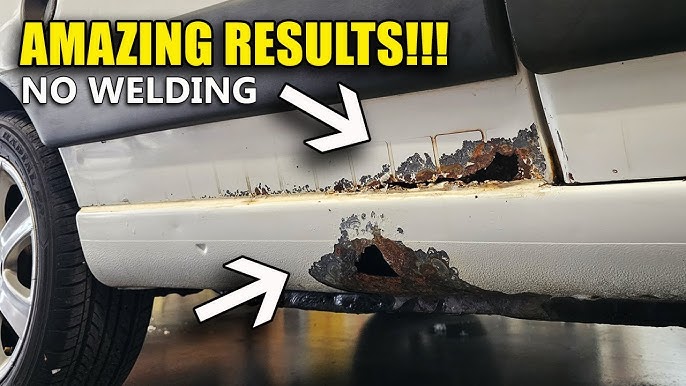
Credit: www.youtube.com
Finish With Clear Coat
Peeling paint on a car can be unsightly. Applying a clear coat helps restore the vehicle’s appearance.
A clear coat adds protection to the car’s paint. This layer is essential for a long-lasting finish.
Benefits Of Clear Coat
Clear coat provides several advantages. It enhances the look and durability of your car’s paint.
- Protects against UV rays
- Prevents scratches and chips
- Adds a glossy finish
- Increases paint longevity
Proper Application Tips
Applying clear coat correctly is crucial. Follow these tips to ensure the best results.
Ensure the surface is clean and dry before application. Use a microfiber cloth for the best finish.
| Step | Action |
| 1 | Wash and dry the car thoroughly |
| 2 | Sand the peeling area gently |
| 3 | Apply the clear coat evenly |
| 4 | Allow to dry for 24 hours |
Allow Proper Drying Time
Fixing peeling paint on your car requires patience. Allowing the paint to dry properly is crucial for a smooth finish.
Rushing the drying process can lead to more peeling. Let’s explore how to ensure the paint dries correctly.
Ideal Drying Conditions
Creating the right environment for paint to dry is important. Here are some conditions to keep in mind.
- Temperature should be between 60°F to 80°F (15°C to 27°C).
- Humidity levels should be below 50%.
- Avoid direct sunlight while the paint dries.
- Ensure proper ventilation in the area.
Avoiding Common Mistakes
Many people make errors that affect the paint’s durability. Avoid these common mistakes for the best results.
| Mistake | Consequence |
| Painting in high humidity | Paint takes longer to dry |
| Skipping primer | Paint may not adhere well |
| Using low-quality paint | May lead to early peeling |
Maintain Your Car’s Paint
Peeling paint on your car can make it look old and worn out. Keeping your car’s paint in good shape helps protect the metal and keeps it shiny.
Simple care and smart steps can stop paint from peeling and keep your car looking new for years.
Regular Cleaning
Wash your car often to remove dirt, salt, and grime that damage paint. Use gentle car soap and soft cloths to avoid scratches.
- Rinse your car with water first to loosen dirt.
- Use a car-specific soap instead of household cleaners.
- Clean wheels and undercarriage to remove brake dust and salt.
- Dry the car with a microfiber towel to prevent water spots.
- Wash your car in shade to avoid soap drying too fast.
Protective Measures
Protect your car’s paint by applying wax or sealant. This layer shields paint from sun, rain, and pollution.
| Protective Method | How It Helps | Frequency |
| Wax | Creates a water-resistant layer | Every 3 months |
| Paint Sealant | Provides longer-lasting protection | Every 6 months |
| Car Cover | Protects from sun and dust when parked | Use when parked outside |

Credit: www.youtube.com
Frequently Asked Questions
What Causes Paint To Peel On Cars?
Peeling paint on cars is caused by poor surface preparation, exposure to extreme weather, or using low-quality paint. Moisture and rust under the paint can also lead to peeling. Proper cleaning and priming can prevent these issues and extend the paint’s life.
How Do I Fix Peeling Paint On My Car?
To fix peeling paint, first sand the damaged area to remove loose paint. Clean the surface, apply primer, then repaint with matching automotive paint. Finish with a clear coat for protection. Let each layer dry completely before proceeding to ensure durability.
Can I Prevent Paint Peeling On My Car?
Yes, regular washing and waxing protect your car’s paint. Avoid parking in direct sunlight or harsh weather. Address scratches and chips immediately to prevent rust. Using quality paint and proper application methods also help maintain your car’s finish.
Is It Necessary To Repaint The Entire Panel?
Not always. Small peeling areas can be spot-repaired with sanding, priming, and touch-up paint. Large or multiple peeling spots may require repainting the whole panel for a uniform look. Consult a professional for best results.
Conclusion
Fixing peeling paint on your car helps protect it from rust and damage. Start with cleaning and sanding the affected area carefully. Use quality primer and paint to ensure a smooth finish. Take your time and follow each step for best results.
Regular care can keep your car looking fresh longer. Small efforts prevent bigger repairs later. Keep your vehicle shining and safe on the road.







