
Have you ever wondered how radar detectors work and why so many drivers rely on them? If you want to stay aware of speed traps and avoid unexpected tickets, understanding what radar detectors do is key.
This article will break down how these devices help protect your wallet and keep your driving smooth. By the end, you’ll know exactly how radar detectors can give you an edge on the road—and why they might be worth having in your car.
Keep reading to discover the smart way to stay one step ahead.
How Radar Detectors Work
Radar detectors help drivers know when police use radar guns. These devices warn you about radar signals ahead.
They work by scanning the area for radar waves sent by law enforcement. Then, they alert the driver to slow down.
Detecting Radar Signals
Radar detectors listen for radio waves from police radar guns. These waves are in specific frequency bands.
The detector’s antenna picks up these signals from a distance. The device then checks if the signals match radar patterns.
Types Of Radar Used By Law Enforcement
Police use several radar types to check speed. Each type works on different radio frequencies.
- X-band: One of the oldest radar types, uses low frequencies.
- K-band: More common today, works at higher frequencies.
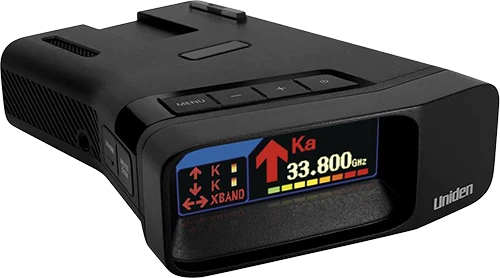
- Ka-band: The newest and most used radar type, very precise.
- Laser (LIDAR): Uses light pulses instead of radio waves.
Radar detectors can pick up most radio wave types, but not laser signals.
Signal Processing And Alerts
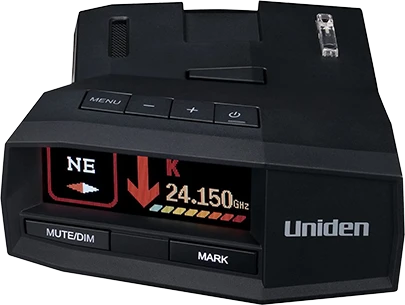
Once the radar detector finds a signal, it analyzes it carefully. The device checks frequency and strength to avoid false alerts.
If the signal matches a police radar, the detector alerts the driver. Alerts can be sounds, lights, or vibrations.
- Sound alerts warn the driver with beeps or tones.
- Visual alerts use flashing lights or screen messages.
- Some detectors vibrate to give silent warnings.
Credit: www.vortexradar.com
Key Features Of Radar Detectors
Radar detectors help drivers spot radar signals from law enforcement. They alert the driver about speed monitoring devices nearby. Understanding key features helps choose the right detector.
These devices vary in technology and functions. Some focus on detecting signals quickly. Others work to reduce false alarms or use GPS to improve accuracy.
Sensitivity And Range
Sensitivity shows how well a radar detector picks up signals. A better range means the detector alerts you earlier. This gives more time to adjust your speed.
- High sensitivity detects radar signals from far away
- Wide range covers multiple radar bands
- Fast signal processing to reduce delay
- Adjustable sensitivity to limit false alerts
False Alert Filtering
False alerts come from automatic doors and other electronics. Good radar detectors include filtering to cut down these alerts. This saves distraction and annoyance.
| Filter Type | Description |
| Signal Pattern Filtering | Ignores signals that don’t match radar guns |
| Speed-Based Filtering | Filters signals when vehicle speed is low |
| Frequency Filtering | Blocks known false alert frequencies |
Gps Integration
GPS helps radar detectors mark fixed speed camera locations. It also stores areas where false alerts happen often. This makes the alerts smarter and more useful.
GPS features include:
- Alerting at known speed trap spots
- Warning for red light cameras
- Updating database via smartphone apps
- Customizable alert zones
Legal Aspects Of Radar Detectors
Radar detectors help drivers find speed monitoring devices. Their use is not legal everywhere. Laws vary depending on the location.
It is important to know the rules before using a radar detector. This guide explains the laws by region, penalties, and ethics.
Laws By Region
Radar detector laws differ by country and state. Some places allow them, while others ban their use or sale.
- In the United States, radar detectors are legal in most states except Virginia and Washington D.C.
- Canada allows radar detectors in some provinces but bans them in Quebec and Ontario.
- Many European countries, like France and Germany, prohibit radar detector use.
- In Australia, radar detectors are illegal in most states and territories.
Penalties For Use
Penalties for using radar detectors vary. They can include fines, vehicle seizure, or license suspension.
| Region | Penalty |
| Virginia, USA | Fine up to $500, confiscation of device |
| Quebec, Canada | Fine up to $1000, possible court appearance |
| France | Heavy fines, device seizure |
| Australia | Fines and possible vehicle impoundment |
Ethical Considerations
Some people see radar detectors as tools for safer driving. Others think they encourage speeding and reckless behavior.
Here are ethical points to consider:
- Using a radar detector may reduce speeding fines but can increase risk-taking.
- Respecting speed limits protects all road users.
- Consider local laws and community safety when deciding to use a detector.
- Driving responsibly is better than relying on devices to avoid penalties.
Credit: www.thedrive.com
Benefits Of Using Radar Detectors
Radar detectors help drivers by alerting them to speed detection devices. They give advance warnings to help avoid tickets.
Using a radar detector can improve your driving experience. It makes you more aware of your speed and surroundings.
Avoiding Speeding Tickets
Radar detectors warn drivers about nearby speed traps. This helps you slow down before getting caught.
By avoiding tickets, you keep your driving record clean. This can prevent points on your license and insurance hikes.
Improving Driving Awareness
Radar detectors encourage you to watch your speed carefully. This makes you a safer driver on the road.
You become more alert to changing road conditions. Staying aware helps reduce accidents and traffic violations.
Cost Savings Over Time
Radar detectors can save money by preventing fines. Speeding tickets often come with large fees and court costs.
Lower insurance rates may result from a clean driving record. This adds up to big savings over the years.
Limitations And Challenges
Radar detectors are helpful for drivers. They alert to speed traps and police radars. But they have limitations and challenges.
Understanding these issues can help users make informed decisions. Let’s explore their main challenges.
False Alarms
False alarms are common with radar detectors. They can be triggered by automatic doors or other signals.
- Automatic doors at stores
- Traffic signal sensors
- Other vehicles’ systems
Effectiveness Against New Technologies
New technologies can limit radar detectors’ effectiveness. Police use advanced radars and lasers. Detectors may not pick them up.
Dependency Risks
Drivers may become too reliant on radar detectors. This can lead to risky driving behaviors.
| Risk | Description |
| Overconfidence | Ignoring speed limits |
| Distraction | Focusing on alerts |
| Reduced Awareness | Neglecting road signs |
Credit: www.vortexradar.com
Choosing The Right Radar Detector
Radar detectors help drivers avoid speeding tickets. They alert you when radar guns are nearby. Choosing the right one can be tricky.
Consider your budget, features, and user reviews before buying. Let’s explore these factors to make an informed choice.
Budget Considerations
Your budget will influence the type of radar detector you can buy. Some are affordable, while others offer advanced features at a higher cost.
- Basic models cost less but have fewer features.
- Mid-range models offer a balance of price and features.
- High-end models provide advanced technology and better accuracy.
Feature Comparison
Not all radar detectors are the same. They vary in features that can enhance your driving experience.
| Feature | Basic Model | Mid-Range Model | High-End Model |
| Range | Short | Medium | Long |
| GPS | No | Optional | Included |
| False Alerts | Many | Fewer | Fewest |
User Reviews And Recommendations
User reviews provide real-world insights. They can help you decide which radar detector is right for you.
Consider reading reviews on trusted websites. Look for consistent positive feedback and note any common complaints.
Tips For Effective Use
Radar detectors help you notice speed monitoring devices nearby. Using them well can reduce surprises on the road.
Follow these tips to get the most from your radar detector and stay safer while driving.
Proper Installation
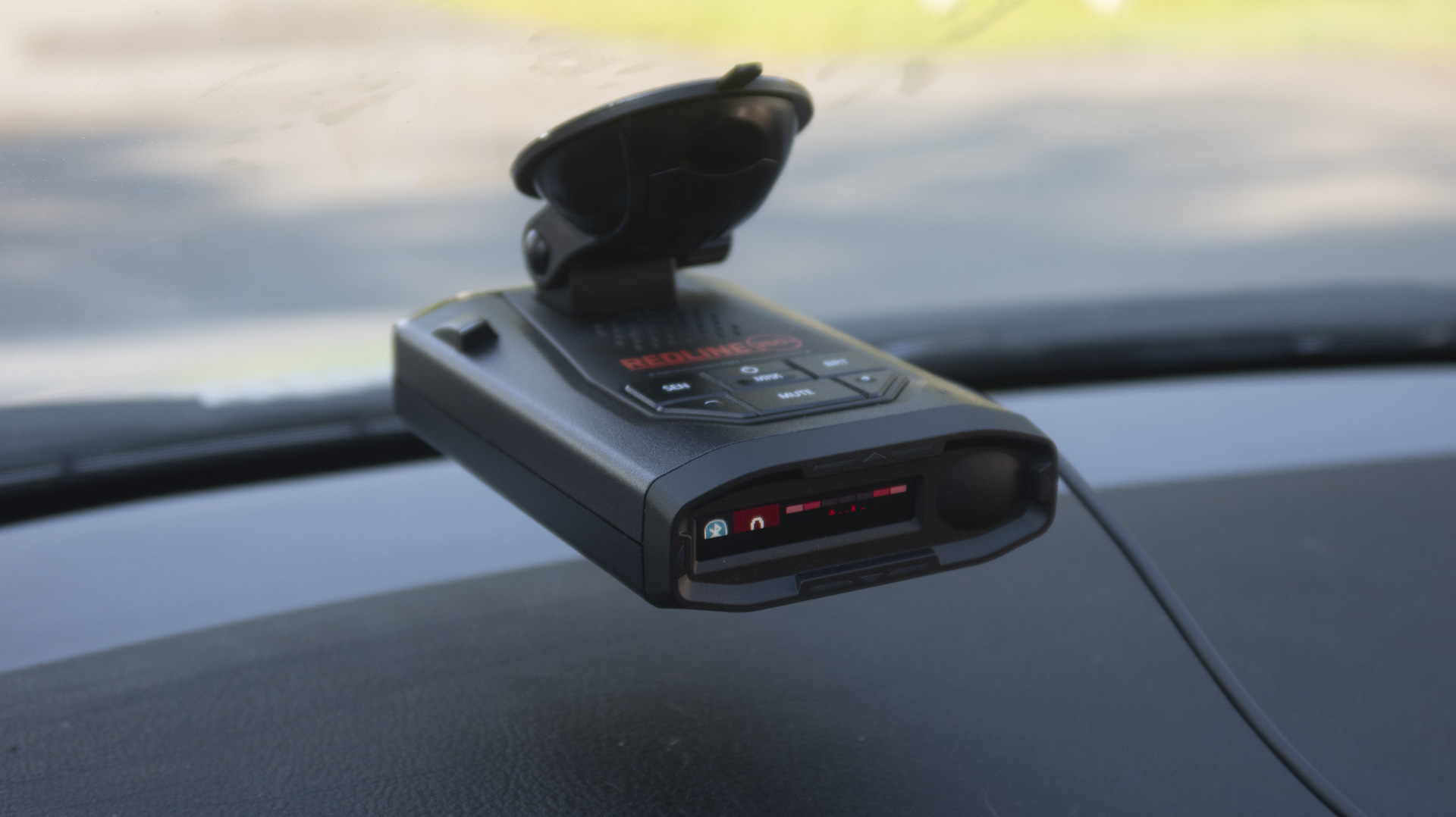
Place your radar detector where it has a clear view through the windshield. Avoid areas blocked by metal or tint.
- Mount it near the center of the windshield
- Keep it away from dashboard clutter
- Ensure it does not block your view
- Check that it is secure and won’t fall while driving
Regular Updates
Radar detectors rely on current data to identify new speed traps and radar guns. Update the device’s software often.
| Update Type | Purpose |
| Firmware | Fix bugs and improve detection |
| Database | Add new radar and laser locations |
| Signal Algorithms | Enhance detection accuracy |
Combining With Safe Driving Practices
Use your radar detector as a tool, not a reason to speed. Always drive within speed limits and obey traffic laws.
- Keep a safe following distance
- Watch for traffic signs and signals
- Avoid sudden lane changes
- Stay alert and focused on the road
Frequently Asked Questions
What Do Radar Detectors Actually Detect?
Radar detectors identify radar signals used by law enforcement to measure vehicle speed. They alert drivers to slow down and avoid speeding tickets.
How Do Radar Detectors Improve Driving Safety?
Radar detectors warn drivers about speed enforcement zones. This encourages safer driving habits and reduces the risk of accidents caused by speeding.
Are Radar Detectors Legal To Use Everywhere?
Radar detector legality varies by country and state. Always check local laws before using one to avoid fines or confiscation.
Can Radar Detectors Detect All Types Of Radar Guns?
Most radar detectors detect common police radar bands. However, some advanced radar guns may not be detected by all models.
Conclusion
Radar detectors help drivers notice speed monitoring devices early. They alert you to nearby radar signals. This gives more time to adjust your speed safely. Using a radar detector can reduce speeding tickets. Yet, knowing local laws is important before using one.
Some places do not allow these devices. Always drive carefully and follow traffic rules. Radar detectors are tools, not a license to speed. Stay aware, stay safe on the road.







