
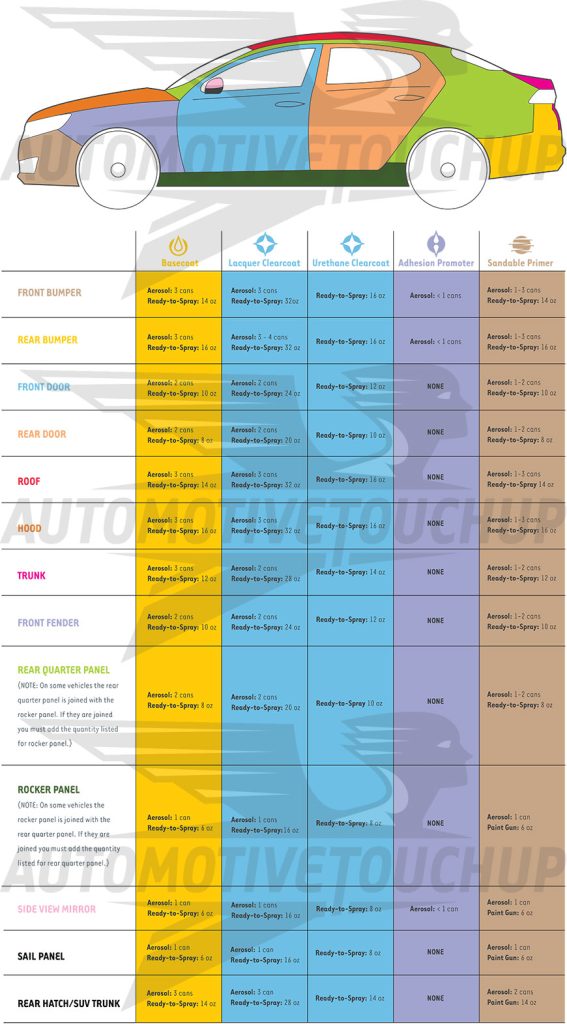
Thinking about giving your car a fresh new look? One of the first questions you probably have is, “How much paint do I actually need to cover my car?”
Getting the amount just right is key. Too little paint means you’ll have to make extra trips to the store, wasting time and money. Too much paint? That’s just extra cost and clutter you don’t want. You’ll discover simple ways to calculate the exact amount of paint your car needs.
By the end, you’ll feel confident to start your project without any guesswork. Ready to find out how to get the perfect paint quantity for your car? Let’s dive in.

Credit: www.eastwood.com
Factors Affecting Paint Quantity
Painting a car needs the right amount of paint. The amount depends on many things.
Knowing these factors helps to avoid waste and get good results.
Car Size And Shape
Big cars need more paint than small cars. The shape also matters. Curved and detailed parts use more paint than flat surfaces.
For example, SUVs and trucks usually need more paint than sedans.
Type Of Paint Used
Different paints cover areas in different ways. Some paints need more layers or thicker coats.
- Water-based paints dry faster and need less paint.
- Oil-based paints cover better but need more paint.
- Metallic paints need extra layers for shine.
Number Of Coats
The number of paint coats affects the total paint used. More coats mean more paint.
| Number of Coats | Effect on Paint Quantity |
|---|---|
| 1 Coat | Least paint used |
| 2 Coats | About double the paint |
| 3 or More Coats | More than double the paint |
Surface Preparation
Cleaning and sanding the car’s surface helps paint stick better. Rough surfaces may need more paint to cover.
Good surface prep includes:
- Washing dirt and grease off
- Sanding old paint or rust
- Applying primer before paint
Calculating Paint Needed
Painting a car requires knowing how much paint to buy. This helps avoid waste and extra costs.
Calculating paint needed involves measuring the car, checking paint coverage, and adjusting for extra layers.
Measuring Car Surface Area
Find the total surface area to paint by measuring the car’s length, width, and height. Include doors, hood, and trunk.
- Measure each side of the car
- Calculate the area of flat panels
- Add areas of curved parts approximately
- Sum all areas for total surface area
Estimating Paint Coverage Per Gallon
Paint cans usually state coverage per gallon. This is the area one gallon can cover in square feet.
| Type of Paint | Coverage (sq ft per gallon) |
| Standard Automotive Paint | 350 |
| Primer | 400 |
| Clear Coat | 300 |
Adjusting For Primer And Clear Coat
Painting involves primer and clear coat. Add extra paint for these layers to the base coat amount.
- Calculate paint for the base color first
- Add 10-15% more for primer
- Add 10-15% more for clear coat
- Combine all amounts for total paint needed
Choosing The Right Paint Type
Choosing the right paint for your car is important. It affects the look and how long the paint lasts. Different types of paint work best for different needs.
This guide explains some common paint types and how to use them. It will help you pick the best paint for your car project.
Single-stage Vs Base Coat/clear Coat
Single-stage paint mixes color and shine in one coat. It is easy to apply and dries fast. Base coat/clear coat uses two layers. The base coat adds color, and the clear coat adds shine and protection.
| Type | Number of Coats | Durability | Shine |
| Single-Stage | One | Moderate | Good |
| Base Coat/Clear Coat | Two | High | Excellent |
Spray Paint Vs Brush Application
Spray paint spreads paint evenly and quickly. It works well on cars for a smooth finish. Brush application is slower and can leave marks. It is better for small touch-ups or details.
- Spray paint covers large areas fast
- Brush paint allows control in small spots
- Spray needs equipment like a spray gun
- Brush needs less setup and tools
Specialty Paints And Effects
Specialty paints add unique looks to cars. These include metallic, pearlescent, and matte finishes. Each type changes how light hits the surface. Some need extra care to keep their look.
| Paint Type | Effect | Care Needed |
|---|---|---|
| Metallic | Shiny with metal flakes | Wash gently |
| Pearlescent | Shifts color in light | Avoid harsh chemicals |
| Matte | Flat, no shine | Use special cleaners |
Credit: rondex.ca
Tips For Efficient Painting
Painting a car needs careful planning. Using the right amount of paint saves money and time.
These tips help you paint well and reduce waste during the process.
Proper Surface Preparation
Clean the car surface fully before painting. Dirt and grease stop paint from sticking well.
Sand the surface to remove old paint and smooth rough spots. This helps paint cover evenly.
- Wash with soap and water
- Remove rust and old paint with sandpaper
- Use a clean cloth to dry the surface
- Check for dents and fix them before painting
Using Primer Correctly
Primer helps paint stick and protects the car from rust. Use it on all bare metal areas.
Apply primer in thin, even coats. Let each coat dry before adding the next one.
- Choose a primer that matches your paint type
- Spray from 6 to 8 inches away for even coverage
- Apply 2 to 3 light coats instead of one thick coat
- Allow proper drying time between coats
Applying Consistent Coats
Apply paint in steady, even layers. This avoids runs and uneven color.
Keep the spray gun moving at a steady speed and distance from the surface.
- Spray in straight, overlapping strokes
- Maintain a 6 to 10 inch distance from the car
- Wait 10 to 15 minutes between coats
- Use 2 to 4 coats for full coverage
Avoiding Paint Waste
Measure paint carefully before starting. Mix only what you need for the job.
Store leftover paint properly to use later. Clean tools well to avoid paint drying inside them.
- Use a paint calculator to estimate amount needed
- Cover small areas with painter’s tape to avoid overpainting
- Recycle or reuse leftover paint when possible
- Clean spray guns and brushes right after use
Common Mistakes To Avoid
Painting a car needs careful planning. Many make errors that waste paint and time. Knowing what to avoid helps get a smooth finish.
This guide covers three common mistakes. Fixing these can save money and improve results.
Underestimating Paint Amount
Many think a small paint quantity will cover the car. This often leads to running out mid-job. It is best to buy extra paint.
- Measure the car’s surface carefully before buying paint.
- Check paint coverage details on the can label.
- Buy 10-15% more paint than the estimate.
- Remember some paint is lost during spraying.
Skipping Primer
Skipping primer saves time but causes problems later. Primer helps paint stick and lasts longer. Without it, paint peels or fades fast.
| Effect | With Primer | Without Primer |
|---|---|---|
| Paint Adhesion | Strong | Weak |
| Surface Protection | Good | Poor |
| Finish Smoothness | Even | Uneven |
| Paint Durability | Long-lasting | Short-lived |
Ignoring Weather Conditions
Weather affects paint drying and finish. Painting on very hot, cold, or humid days can cause problems.
- Do not paint if temperature is below 50°F or above 85°F.
- Avoid painting on rainy or very humid days.
- Choose a dry, calm day for best results.
- Use a controlled environment if possible.
Tools And Materials Needed
Painting a car requires the right tools and materials. Without them, achieving a smooth finish is difficult. Here, we discuss essential items for a successful paint job.
Paint Sprayers And Brushes
Using the right paint sprayers and brushes ensures an even coat. These tools are vital for both large surfaces and small details.
- Air compressor and spray gun for large areas
- Detail brushes for edges and corners
- Rollers for primer application
Masking And Sanding Supplies
Proper masking and sanding prepare the car’s surface for painting. These steps help in achieving a clean and professional look.
| Item | Purpose |
| Masking tape | Protects areas not to be painted |
| Sandpaper (various grits) | Smooths surfaces and removes old paint |
| Plastic sheeting | Covers larger areas |
Safety Gear
Safety gear is crucial when painting a car. It protects you from harmful chemicals and particles.
- Respirator mask to filter paint fumes
- Protective goggles to shield eyes
- Gloves to protect skin from paint
- Coveralls to keep clothes clean
Cost Estimation For Painting A Car
Painting a car can change its look and protect it. Knowing the cost helps you plan your budget.
Several factors influence the cost, such as paint type and who does the job.
Paint Price Range
Paint prices vary by quality and brand. Basic paint is cheaper, while premium paint costs more.
- Basic paint: $100 – $300
- Mid-range paint: $300 – $700
- Premium paint: $700 and up
Additional Material Costs
Other materials add to the cost. These include primer, clear coat, and sandpaper.
- Primer: $50 – $100
- Clear coat: $100 – $150
- Sandpaper and tools: $50 – $100
Professional Vs Diy Painting
Painting a car yourself saves money but takes time and skill. Professionals charge more but offer quality work.
| Professional Cost | $1,000 – $5,000 |
| DIY Cost | $200 – $800 |

Credit: www.youtube.com
Frequently Asked Questions
How Much Paint Is Needed For A Full Car Paint Job?
Typically, 1 to 2 gallons of paint cover an entire car. The exact amount depends on the car size and paint type. Smaller cars need less paint, while larger vehicles require more. Always buy a bit extra to cover mistakes or additional coats.
What Factors Affect Paint Quantity For Cars?
Car size, paint type, and number of coats impact paint quantity. Primer and clear coat also add to the total volume needed. Custom paint jobs or complex designs require extra paint. Always consider these factors when estimating paint for a car.
Can I Use Less Paint For Partial Car Painting?
Yes, partial painting uses less paint than a full job. The needed quantity depends on the damaged area size. Small touch-ups require only a few ounces of paint. Always prepare enough paint to match the existing color perfectly.
How To Calculate Paint Needed For Car Painting?
Measure the car’s surface area to estimate paint volume. Use online calculators or consult professional guidelines for accuracy. Factor in primer, base coat, and clear coat quantities. Adding 10-20% extra paint covers errors or additional layers.
Conclusion
Painting a car needs careful planning and the right amount of paint. Usually, one to two gallons cover most cars well. Small cars need less, big trucks need more. Don’t forget extra paint for touch-ups or mistakes. Always check the paint type and instructions before starting.
Good preparation saves time and money. A smooth, even coat makes your car look great and last longer. Paint with care, and your car will shine on the road.







