
Are you thinking about using a radar detector to avoid speeding tickets? Before you buy one, it’s crucial to understand where and why radar detectors might be illegal.
Using one in the wrong place could lead to fines, legal trouble, or even confiscation of your device. This article will help you discover the rules that affect you, so you can stay safe and avoid costly mistakes. Keep reading to learn exactly what you need to know about radar detector laws and how they apply to your driving.
Legality Of Radar Detectors
Radar detectors help drivers spot speed monitoring devices. Their legality varies by location. Some places allow them, while others ban them.
This guide explains the laws by country and state, federal rules, and penalties for using radar detectors.
Laws By Country And State
Different countries and states have different rules about radar detectors. Some places allow them in private vehicles but not commercial ones. Other places ban them completely.
- In the United States, most states allow radar detectors in private cars.
- Virginia and Washington D.C. ban radar detectors in all vehicles.
- Canada permits radar detectors in some provinces but bans them in others.
- In Europe, many countries ban radar detectors, especially in commercial vehicles.
- Australia prohibits radar detectors nationwide.
Federal Regulations
The federal government sets rules for radar detector use on certain roads and vehicles. These rules often apply to commercial trucks and buses.
| Vehicle Type | Radar Detector Allowed? | Notes |
| Private Cars | Usually Yes | Depends on state law |
| Commercial Trucks | No | Federal law bans use |
| Buses | No | Federal law bans use |
Penalties For Use
Penalties for using radar detectors illegally can include fines and equipment confiscation. Repeat offenses may result in higher fines or other legal actions.
- Fines range from $100 to $500 depending on location.
- Officers may seize the radar detector device.
- Some states add points to the driver’s license.
- Commercial drivers face stricter penalties.
Credit: www.carparts.com
How Radar Detectors Work
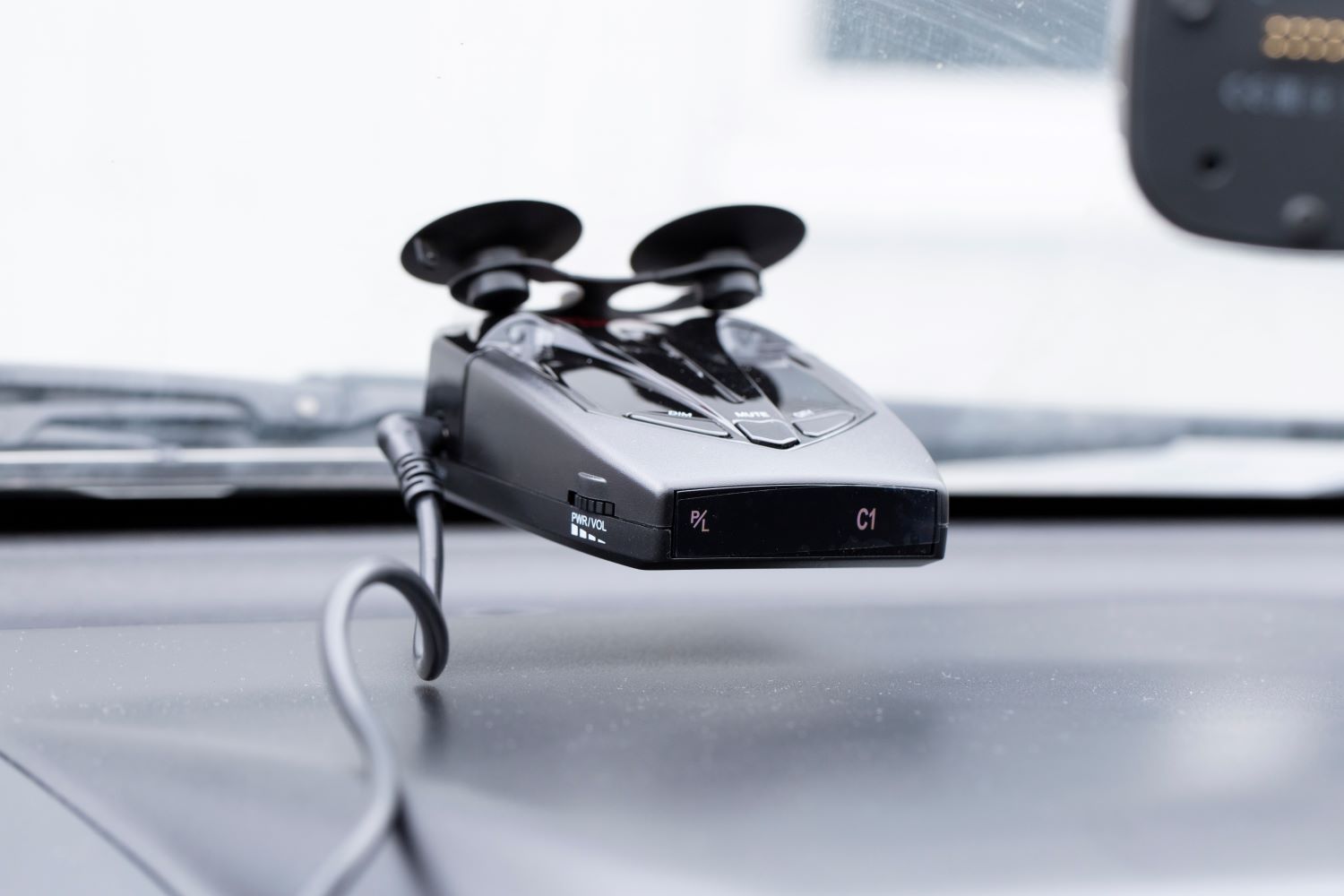
Radar detectors are devices that alert drivers to radar signals used by police. They help drivers know when radar guns are nearby. This gives drivers a chance to adjust their speed.
These devices scan the environment for specific radio waves. They detect signals sent by speed-measuring radar guns. Understanding how they work helps explain their use and legality.
Basic Technology
Radar detectors use radio receivers to catch radar waves. These waves come from police radar guns. The device then alerts the driver with sound or light.
The detector scans for certain frequencies in the air. When it finds a signal, it processes the data quickly. This lets the driver know about nearby radar activity.
Types Of Radar Signals Detected
Radar detectors spot various radar bands used by law enforcement. Each type sends signals on different frequencies. The detector can identify these and warn the driver.
- X Band: One of the oldest radar frequencies, less common today.
- K Band: Widely used, especially for speed measurement.
- Ka Band: Modern radar guns often use this frequency.
- Laser (LIDAR): Uses light pulses instead of radio waves, harder to detect.
Common Myths And Misconceptions
Radar detectors are popular devices used by drivers to avoid speeding tickets. Many people believe they always work well and are legal everywhere. These are common myths that need to be cleared up.
This article looks at the truth about radar detectors. It explains how they work today and what the law says about them.
Effectiveness Against Modern Speed Enforcement
Radar detectors do not work as well against new speed cameras and police tools. Many modern devices use laser or digital technology. These are harder to detect than old radar signals.
Some police use instant laser guns that catch speed quickly. Radar detectors often cannot warn drivers in time. This makes them less useful on busy roads.
- New speed cameras use laser and digital signals
- Radar detectors mainly detect older radar waves
- Laser guns give little warning time
- Detectors may not alert drivers before speeding is recorded
Legal Loopholes
Some drivers think radar detectors are legal everywhere. This is not true. Many states and countries ban or restrict their use. Fines and penalties apply if caught with one.
There are places where detector laws differ. Some areas allow detectors but ban laser jammers or GPS blockers. Knowing local laws helps avoid trouble.
- Radar detectors banned in some states and countries
- Laser jammers often illegal even where detectors are allowed
- GPS blockers can be against the law
- Local laws vary widely and must be checked

Credit: www.thedrive.com
Alternatives To Radar Detectors
Radar detectors are illegal in many places. Drivers need other ways to avoid speeding tickets. There are safe and legal tools to help stay aware on the road.
This article explores alternatives that help drivers stay alert without breaking the law. These options focus on technology and good driving habits.
Speed Apps And Gps Alerts
Speed apps use your phone’s GPS to track your speed and location. They warn you about speed limits and upcoming speed traps. These apps work legally because they do not detect radar signals.
GPS alerts help you prepare for changes in speed limits or known police checkpoints. They give you time to slow down safely.
- Warn about speed cameras and red light cameras
- Show current speed and speed limit
- Alert for traffic jams and road hazards
- Use community reports to update information
Driving Habits To Avoid Tickets
Good driving habits are the best way to avoid tickets. Following speed limits and paying attention to road signs keep you safe and legal. Defensive driving reduces the risk of speeding without extra devices.
Watch your speed on different roads and adjust for weather or traffic. Staying calm and focused helps you make better decisions behind the wheel.
- Keep track of speed limits on all roads
- Use cruise control on highways
- Check mirrors and blind spots regularly
- Avoid sudden lane changes or aggressive driving
- Plan routes to avoid heavy traffic or roadwork
Impact On Insurance And Safety
Radar detectors are devices some drivers use to spot speed traps. Using them is illegal in many places. This can affect your insurance and safety on the road.
Understanding the effects of illegal radar detectors helps drivers make smart choices. It also shows why rules exist to keep roads safe.
Insurance Policy Considerations
Using a radar detector where it is banned may cause problems with your insurance. Insurers might refuse to pay claims if you break the law. This can lead to higher premiums or canceled policies.
- Insurance companies may not cover damages after illegal radar detector use.
- Claims could be denied if the device is found during an accident investigation.
- Policy costs might increase due to risky driving behavior.
- Legal fines could add extra financial burden.
Safety Implications
Radar detectors can distract drivers. They may encourage speeding, which raises accident risks. This hurts not only the driver but also others on the road.
| Safety Risk | Description |
| Distraction | Drivers focus on the device instead of the road. |
| Speeding | False sense of security leads to higher speeds. |
| Legal Trouble | Getting caught may cause license suspension. |
| Accident Risk | Higher chance of crashes due to unsafe driving. |

Credit: en.wikipedia.org
Frequently Asked Questions
Are Radar Detectors Illegal Everywhere?
Radar detector legality varies by country and state. Some places ban them in private vehicles, while others allow their use freely. Always check local laws before using a radar detector to avoid fines or penalties.
Why Are Radar Detectors Illegal In Some States?
Radar detectors are illegal in some states because they interfere with law enforcement’s speed monitoring. Authorities believe their use can encourage speeding and reduce road safety, leading to strict regulations or outright bans.
Can I Use A Radar Detector In Commercial Vehicles?
Radar detectors are generally illegal in commercial vehicles over 10,000 pounds in the U. S. This restriction aims to promote safety and fair enforcement of speed limits in commercial transportation.
What Are The Penalties For Using Illegal Radar Detectors?
Penalties for illegal radar detector use include fines, confiscation of the device, and sometimes points on your driving record. Penalties vary by jurisdiction, so knowing local laws is essential to avoid consequences.
Conclusion
Radar detectors are illegal in many places for good reasons. Using them can lead to fines or other trouble. Knowing the laws helps you avoid problems on the road. Safety should always come first while driving. Choose to drive carefully instead of relying on devices.
Respect traffic rules to protect yourself and others. Stay informed and make smart choices every time.







