
Are you thinking about using a radar detector while driving in Florida? Before you buy or turn one on, it’s important to understand the laws that affect you.
Knowing what’s allowed and what’s not can save you from costly fines or even legal trouble. This guide will help you clear up the confusion and keep you on the safe side of the road. Keep reading to learn exactly how Florida radar detector laws work and what you need to watch out for.
Radar Detector Legality
Radar detectors are devices that alert drivers about speed detection tools. Their legality varies by law. Understanding these laws helps you avoid fines or penalties.
This guide covers federal rules and specific state laws in Florida about radar detector use.
Federal Regulations
The federal government sets some rules about radar detectors, especially for commercial vehicles. These rules help keep roads safe and fair for all drivers.
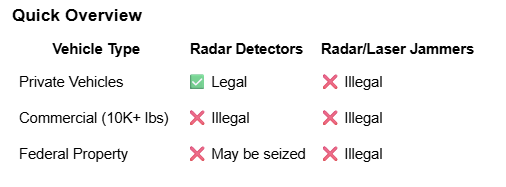
- Radar detectors are banned in commercial vehicles over 10,000 pounds.
- Passenger cars and trucks under 10,000 pounds may use radar detectors legally nationwide.
- Radar detector use is not regulated by federal law in private vehicles.
State-specific Rules
Florida allows the use of radar detectors in private vehicles. Drivers should still use these devices responsibly.
| State | Radar Detector Use | Notes |
| Florida | Legal | Allowed in private vehicles |
| Virginia | Illegal | Banned in all vehicles |
| Washington D.C. | Illegal | Banned in all vehicles |
| Texas | Legal | Allowed for private vehicles only |
Credit: www.roadspy.com
Florida’s Radar Detector Laws
Radar detectors help drivers find speed monitoring devices. Each state has its own rules about their use. In Florida, laws vary based on the type of vehicle.
This guide explains Florida’s rules for using radar detectors in private and commercial vehicles.
Use In Private Vehicles
Florida allows radar detectors in private cars. Drivers can use these devices without breaking the law. There are no state restrictions on carrying or using radar detectors in private vehicles.
- Radar detectors are legal in cars for personal use.
- Drivers can install and operate them freely.
- No fines or penalties exist for private vehicle use.
- Police cannot stop a driver just for having a radar detector.
Restrictions For Commercial Vehicles
Commercial vehicles face stricter rules. Federal law bans radar detectors in trucks over 10,000 pounds. Florida follows this rule and adds some state-specific restrictions.
| Vehicle Type | Radar Detector Allowed | Notes |
|---|---|---|
| Private Passenger Vehicles | Yes | No restrictions under Florida law |
| Commercial Trucks (over 10,000 lbs) | No | Federal law prohibits use while driving |
| Commercial Vehicles (under 10,000 lbs) | Depends | May be allowed, check specific regulations |
Penalties For Violations
Using radar detectors in Florida can lead to serious penalties. The state has clear laws against their use. Understanding the fines and consequences helps drivers stay safe and legal.
Penalties affect your wallet and your driving record. It is important to know what you face if caught with a radar detector.
Fines And Consequences
Florida law prohibits radar detectors in commercial vehicles and limits their use in certain cases. Penalties include fines and possible vehicle confiscation. The amount depends on the violation type.
- First offense can result in a fine up to $500
- Repeat offenses may increase fines up to $1,000
- Confiscation of the radar detector device is possible
- Commercial drivers face stricter rules and higher fines
- Police may issue citations leading to court appearances
Impact On Driving Record
Violations involving radar detectors can affect your driving record. Points may be added, which can raise insurance costs and lead to license suspension.
| Violation Type | Points Added | Possible License Action |
| First Offense | 3 | Warning or Suspension |
| Second Offense | 5 | Probation or Suspension |
| Multiple Offenses | 7+ | License Suspension or Revocation |
Radar Detector Technology
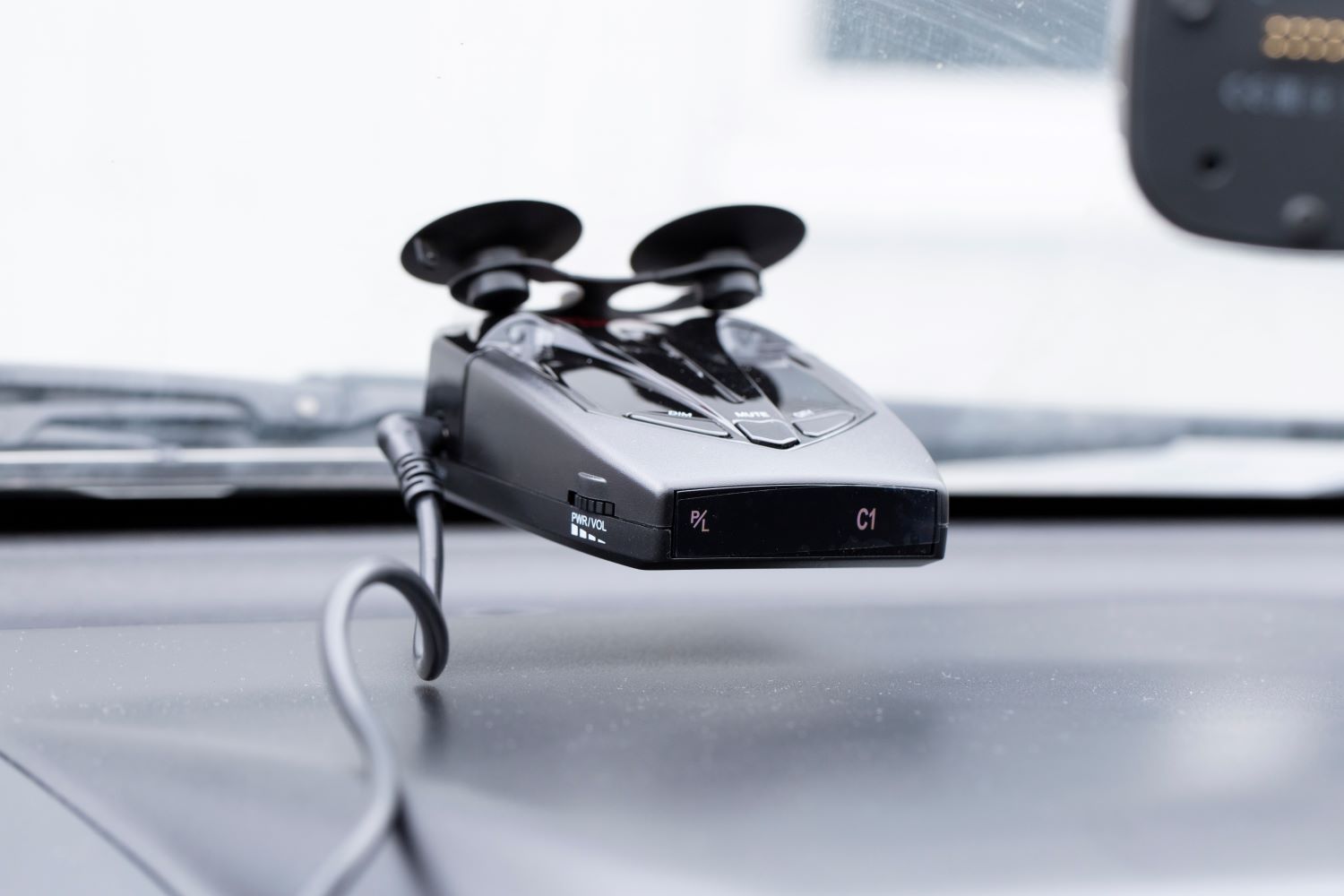
Radar detectors help drivers know if police use radar guns nearby. They detect radio waves from speed devices.
These devices use special technology to alert drivers about speed checks. This helps drivers stay aware of their speed.
How Detectors Work
Radar detectors scan for radar signals sent by police speed guns. They listen for specific radio frequencies.
When a radar signal is found, the detector alerts the driver with sound or lights. This gives time to slow down.
- Radar guns send radio waves at specific frequencies
- Detectors pick up these waves from a distance
- Alerts warn drivers about speed monitoring ahead
- Some detectors also detect laser speed devices
Common Detector Features
Radar detectors come with many features to improve detection and reduce false alerts. These features help drivers better understand alerts.
Popular features include GPS, signal filtering, and voice alerts. These make using the detector easier and safer.
- GPS:Remembers locations of speed traps and red light cameras
- Signal Filtering:Reduces false alarms from automatic doors and other devices
- Voice Alerts:Speaks warnings so drivers keep their eyes on the road
- Display:Shows signal strength and type for better info
- City and Highway Modes:Adjust sensitivity for different driving areas
Alternatives To Radar Detectors
Radar detectors are not always legal or reliable in Florida. Drivers can use other tools to stay aware of speed limits and avoid tickets.
These alternatives help drivers focus on safe driving and follow the law better than just detecting radar signals.
Speed Limit Awareness Apps
Speed limit awareness apps show the current speed limit on your phone or car screen. They use GPS to check your location and alert you.
These apps can warn you if you drive too fast. They also update speed limits in real time for better accuracy.
- Show speed limits clearly on the screen
- Alert drivers when they exceed limits
- Work without radar detection devices
- Help drivers stay within legal speed
Safe Driving Practices
Safe driving helps avoid tickets more than any device. Drivers should pay attention to road signs and traffic conditions.
Keeping a safe speed protects everyone on the road. Defensive driving and staying alert reduce accidents and fines.
- Watch for posted speed limits and signs
- Keep a steady and legal speed
- Stay focused on the road without distractions
- Use cruise control on highways to maintain speed

Credit: www.wikiwand.com
Recent Legal Updates
Florida radar detector laws can be confusing. Understanding recent changes is important. This helps drivers stay compliant and avoid fines.
We will look at changes in legislation and court rulings. These impact how radar detectors are used in Florida.
Changes In Legislation
Recent laws have updated how radar detectors are regulated. These laws aim to enhance road safety across the state.
Radar detectors are legal for passenger vehicles. However, they are banned for commercial vehicles over 10,000 pounds.
- Passenger cars can use radar detectors.
- Commercial trucks cannot use them.
- New penalties apply for violations.
Court Rulings Affecting Use
Courts have ruled on several cases involving radar detectors. These rulings clarify what is allowed and what isn’t.
One significant ruling stated that police cannot confiscate detectors in passenger cars. This protects drivers’ rights.
- Court rulings protect detector use in personal vehicles.
- Confiscation is not allowed without a legal reason.
- Drivers can challenge unjust fines in court.
Tips For Florida Drivers
Driving in Florida can be tricky, especially with radar detector laws. Understanding these laws helps you avoid issues on the road.
Radar detectors are legal in Florida. However, there are important rules to follow. Here are some tips to stay compliant and avoid tickets.
Staying Compliant
Radar detectors are allowed in private vehicles. This means you can use them without breaking the law.
However, using them in commercial vehicles is not allowed. Make sure your vehicle type complies with the law.
- Check if your vehicle is private or commercial
- Always follow speed limits even with a detector
- Keep your detector out of the driver’s view
Avoiding Tickets
Even with a radar detector, you can still get a ticket. It’s important to use it wisely and follow traffic rules.
Police may use other methods to catch speeding drivers. Stay alert and drive safely at all times.
- Do not rely only on your radar detector
- Stay aware of speed traps and road conditions
- Maintain a safe driving speed always
Credit: www.carparts.com
Frequently Asked Questions
Are Radar Detectors Legal In Florida?
Yes, radar detectors are legal for use in private vehicles in Florida. However, commercial vehicles over 10,000 pounds cannot use them. Always check local laws before use.
Can Police Confiscate Radar Detectors In Florida?
Police generally cannot confiscate radar detectors in Florida unless used illegally. Use the device responsibly to avoid legal issues.
Are There Restrictions On Radar Detector Placement In Florida?
Florida law does not specify placement restrictions for radar detectors. Ensure it does not obstruct your view while driving for safety.
Do Radar Detectors Work With Florida’s Speed Enforcement?
Radar detectors can alert drivers to radar-based speed enforcement in Florida. They may not detect all speed measurement methods like lidar.
Conclusion
Florida allows radar detectors in private vehicles. Police cannot stop you just for having one. Still, using a radar detector does not mean you can speed safely. Always follow the speed limits and drive carefully. Stay aware of local laws while traveling.
Avoid distractions and focus on the road. A radar detector is just a tool, not a guarantee. Safe driving helps protect you and others. Keep your knowledge updated as laws may change. Drive smart, stay alert, and respect traffic rules.







