
Have you ever struggled to fit all your gear inside your car for a trip? A roof rack in your car might be the simple solution you’ve been missing.
Imagine having extra space to carry bikes, luggage, or even camping equipment without cramming your interior. Not only does a roof rack free up room, but it also adds convenience and flexibility to your travels. Keep reading to discover how a roof rack can transform your driving experience and why it might be the perfect upgrade for your vehicle.
Benefits Of Roof Racks
Roof racks add extra space on top of your car. They help carry large or extra items easily.
Using a roof rack makes your car more useful for trips and daily tasks. It helps you bring what you need.
Increase Cargo Capacity
Roof racks let you carry more things without crowding the inside of your car. You can load big items like luggage, bikes, or kayaks on the roof.
This extra space helps if your car is small or if you have many passengers. It keeps the inside neat and comfortable.
Enhance Vehicle Versatility
With a roof rack, your car can do more. It can carry sports gear, camping equipment, or work tools easily.
You can switch what you carry on the roof depending on your needs. This makes your car useful for many activities.
Improve Travel Convenience
Roof racks make packing for trips easier. They give you more room inside the car for passengers and comfort.
They also help keep your items safe and organized. You do not need to worry about space or damage during travel.

Credit: www.ebay.com
Types Of Roof Racks
Roof racks add extra storage space on top of your car. They help carry large items like bikes, kayaks, or luggage.
There are different types of roof racks available. Each type suits different needs and vehicle designs.
Factory-installed Racks
Factory-installed racks come with the car when you buy it. These racks fit perfectly because they are designed for your vehicle.
They usually include roof rails or crossbars already mounted. These racks look neat and are easy to use.
Aftermarket Racks
Aftermarket racks are sold separately from the car. You can add them later to any vehicle without factory racks.
- They come in many styles and sizes.
- You can choose racks for specific uses like carrying bikes or cargo boxes.
- Installation may require tools and care to avoid damage.
- Some racks clamp to door frames, while others attach to existing rails.
Crossbars And Roof Rails
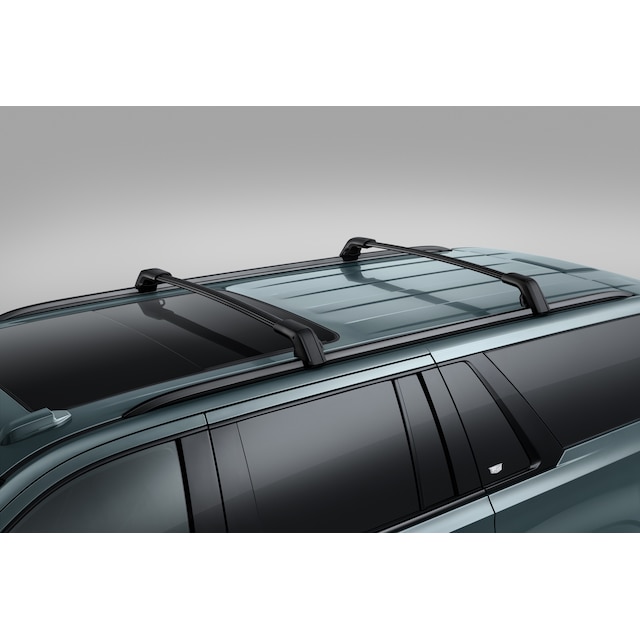
Roof rails run along the length of the car roof. Crossbars connect across the rails to hold cargo.
| Type | Description | Use |
| Roof Rails | Long bars fixed on the roof edges | Base for attaching crossbars |
| Crossbars | Bars that run side to side | Carry cargo directly or attach carriers |
| Fixed Crossbars | Attached permanently to roof | Ready to use anytime |
| Adjustable Crossbars | Can be moved or removed | Flexible storage options |
Choosing The Right Roof Rack
A roof rack helps carry extra items on your car. It adds space for luggage, bikes, or gear.
Picking the right roof rack keeps your items safe and fits your vehicle well. Think about your needs first.
Assessing Vehicle Compatibility
Not all roof racks fit every car. Check your vehicle’s make and model before buying a rack.
Look for racks that match your car’s roof style, like raised rails or fixed points.
- Check roof type: bare, rails, or fixed points
- Find racks made for your car model
- Measure your roof size for fit
Considering Load Capacity
Know how much weight your roof rack can hold. This keeps your car safe and stable.
Check the rack’s max load and your vehicle’s roof load limit. Use the lower number as your guide.
- Find roof load limit in car manual
- Look at rack’s weight capacity label
- Include weight of rack and cargo
Selecting Materials And Design
Roof racks come in metal or plastic. Metal racks are strong and last longer.
Design matters for ease of use and wind noise. Choose a style that fits your needs.
- Aluminum racks: light and rust-resistant
- Steel racks: very strong but heavier
- Aerodynamic designs reduce wind noise
- Simple designs are easier to install
Installation Tips
Installing a roof rack on your car makes it easier to carry extra gear. Follow simple steps to set it up safely and correctly.
This guide helps you install your roof rack with the right tools and safety checks.
Tools And Equipment Needed
Gather all necessary tools before starting the installation. This saves time and avoids mistakes.
- Socket wrench or spanner
- Measuring tape
- Torque wrench
- Screwdriver set
- Rubber mallet (optional)
- Cleaning cloth
Step-by-step Setup Guide
Follow these steps carefully to install your roof rack properly.
- Clean the roof area where the rack will attach.
- Measure the distance between mounting points on your car.
- Place the roof rack feet on the mounting points.
- Use the socket wrench to tighten bolts slightly.
- Adjust the rack to be centered and aligned.
- Tighten all bolts with a torque wrench to the recommended level.
- Check that the rack is secure and does not move.
Safety Checks And Maintenance
Regular safety checks keep your roof rack in good condition. Check before every trip.
- Ensure all bolts and screws are tight.
- Look for cracks or damage on the rack.
- Clean the rack to prevent rust and dirt buildup.
- Remove the rack if not in use for a long time.
- Follow load limits given by the manufacturer.
Maximizing Cargo Space
Roof racks help you carry more stuff on your car. They create extra space on top of your vehicle.
With a roof rack, you can travel with more gear. This is great for trips or moving.
Organizing Gear Efficiently
Put heavier items at the bottom of your roof rack. This keeps the car balanced and safe.
Use smaller bags for tiny items. This makes them easy to find and keeps everything tidy.
- Label bags with contents
- Use packing cubes for clothes
- Stack items to save space
Using Roof Boxes And Bags
Roof boxes protect gear from weather. They are strong and lockable.
Roof bags are flexible and lightweight. They are easy to store when not in use.
- Choose a box or bag based on your needs
- Ensure the box fits your car’s roof rack
- Check bag material for water resistance
Securing Loads Properly
Always tie down your load securely. Loose items can be dangerous on the road.
Use strong ropes or straps. These prevent items from shifting or falling.
| Secure heavy items first |
| Check straps before every trip |
| Use locks for extra safety |

Credit: surcoinc.com
Impact On Driving
Adding a roof rack to your car can change how it drives. It affects fuel use, handling, and noise. Knowing these effects helps you drive safely.
Roof racks are useful for carrying extra items. But they can affect your car’s performance on the road.
Effects On Fuel Efficiency
Roof racks increase air resistance around your car. This makes the engine work harder and use more fuel. The heavier the load, the more fuel you will use.
Even empty roof racks cause some drag. This means your car’s fuel economy drops slightly just by having the rack attached.
- Fuel use rises at higher speeds due to wind resistance
- Removing the rack when not needed saves fuel
- Secure loads tightly to reduce extra drag
Handling And Stability Considerations
Adding weight on top changes your car’s center of gravity. This can make your car feel less stable, especially on turns or in strong winds.
Heavier loads on the roof rack require slower speeds and careful driving. It is important to check your vehicle’s limits before loading.
- Roof racks raise the car’s center of gravity
- Extra weight affects braking and steering
- Drive slower when the rack is loaded
Noise And Wind Resistance
Roof racks cause extra wind noise as air flows over them. This noise grows louder at higher speeds. The shape of the rack affects how much noise it makes.
Wind resistance from the rack can make the ride less quiet and comfortable. Removing the rack or using aerodynamic designs can reduce noise.
- Square or bulky racks create more noise
- Aerodynamic racks reduce wind sound
- Noise increases with speed
Legal And Safety Regulations
Roof racks are useful for carrying extra luggage on cars. However, there are rules you must follow to use them safely and legally.
This guide covers important regulations for roof racks. It ensures you travel safely and legally.
Weight Limits And Restrictions
There are weight limits for roof racks. Overloading can cause accidents or damage your car.
Check your car manual for the maximum weight limit. It includes the weight of the rack itself.
- Do not exceed the weight limit set by the manufacturer
- Balance the load evenly on the roof rack
- Secure items properly to prevent shifting
Visibility And Height Rules
Roof racks can affect your car’s visibility and height. You must follow rules to ensure safe driving.
Keep your rearview and side mirrors clear. Check the total height of your car with the roof rack.
- Do not block your view with tall items
- Know the height of your vehicle for low-clearance areas
- Check local laws for visibility requirements
Insurance And Liability
Using a roof rack can impact your insurance. Know what your policy covers to avoid liability issues.
Inform your insurance company about using a roof rack. Some policies might require additional coverage.
- Review your insurance policy for roof rack coverage
- Understand your liability if items fall from the roof
- Consult with your insurer for any policy updates
Credit: accessories.cadillac.com
Maintenance And Care
Keeping your car’s roof rack in good shape helps it last longer. Regular care stops damage and keeps it safe to use.
This guide covers cleaning, rust prevention, and storing roof racks when not in use.
Cleaning And Inspection
Clean your roof rack after every trip to remove dirt and debris. Check for loose bolts or cracks that could cause problems.
- Use mild soap and water for washing
- Rinse thoroughly to remove soap
- Dry with a soft cloth to prevent water spots
- Inspect all parts for wear or damage
- Tighten any loose screws or bolts
Preventing Rust And Damage
Protect your roof rack from rust by keeping it dry and using rust-resistant sprays. Avoid heavy impacts that can bend or break the rack.
| Cause | Prevention |
| Water buildup | Dry after washing or rain |
| Salt exposure | Rinse off salt quickly |
| Scratches | Use protective covers or pads |
| Loose parts | Check and tighten regularly |
Storing Roof Racks Off-season
Store roof racks in a dry place to stop rust and damage. Remove parts and keep them clean before storing.
- Disassemble the roof rack if possible
- Wrap parts in cloth or bubble wrap
- Keep in a cool, dry area away from sunlight
- Check stored racks every few months
Popular Accessories
Roof racks add space to your car for carrying gear. Many accessories fit on roof racks. These help carry bikes, kayaks, skis, and other items safely.
Choosing the right accessory depends on what you need to carry. Each type has unique features to secure your equipment during travel.
Bike And Kayak Carriers
Bike and kayak carriers attach to your roof rack and hold your gear firmly. They make transport easy and keep your vehicle clean.
- Bike carriers hold one or more bikes upright or sideways.
- Kayak carriers use cradles or saddles to support the kayak’s shape.
- Both types often include straps or locks for safety.
Ski And Snowboard Holders
Ski and snowboard holders keep your winter gear secure on the roof. They protect your equipment from damage and save space inside the car.
| Holder Type | Capacity | Key Feature |
| Clamp Style | 4-6 skis or snowboards | Quick loading and unloading |
| Tray Style | 4-8 skis or snowboards | Stable and secure fit |
| Soft Rack | 2-4 skis or snowboards | Easy storage when not in use |
Cargo Nets And Tie-downs
Cargo nets and tie-downs help keep loose items in place on your roof rack. They stop gear from shifting or falling during travel.
Common uses include:
- Securing luggage bags or boxes
- Holding camping gear or coolers
- Fastening irregularly shaped items
Tie-downs come as straps with hooks or ratchets. Cargo nets stretch to cover different shapes.
Frequently Asked Questions
What Is A Roof Rack For A Car?
A roof rack is a frame attached to a car’s roof. It helps carry extra luggage, bikes, or equipment safely. It increases storage space without reducing interior room, making it ideal for travel and outdoor activities.
How Do I Install A Roof Rack On My Car?
Most roof racks come with easy-to-follow instructions. Generally, you align the rack with roof rails or door frames. Secure it tightly using bolts or clamps. Always check compatibility with your car model and ensure a firm fit before use.
Can A Roof Rack Affect Car Fuel Efficiency?
Yes, roof racks can slightly reduce fuel efficiency. They create extra wind resistance, increasing drag. This causes the engine to work harder, using more fuel. The impact varies with speed, rack type, and whether it carries a load.
What Weight Limits Do Roof Racks Have?
Weight limits depend on the roof rack and car model. Most racks support between 75 to 150 pounds. Always check manufacturer guidelines to avoid damage or safety risks. Overloading can affect vehicle handling and roof integrity.
Conclusion
A roof rack adds extra space for your car trips. It helps carry bikes, luggage, or camping gear easily. Choose the right rack for your car model and needs. Install it carefully to keep your load safe and secure. Regular checks keep the rack strong and reliable.
A good roof rack makes travel more fun and stress-free. Consider one for your next adventure or daily use. Simple, useful, and practical.







