
Looking to give your car a fresh new look without spending a fortune? Car spray paint might be the simple solution you need.
Whether you want to cover up scratches, change your car’s color, or add a personal touch, spray paint lets you take control of your car’s appearance. You’ll discover easy tips and tricks to get professional-looking results at home. Ready to transform your ride and turn heads on the road?
Keep reading to find out how you can make your car shine like new.
Choosing The Right Paint
Picking the right spray paint for your car is important. It helps your car look great and keeps the paint long-lasting.
This guide covers types of car spray paint, color matching tips, and how to choose quality brands.
Types Of Car Spray Paint
There are several types of spray paint for cars. Each type has its own use and finish.
- Enamel Paint: Offers a hard and glossy finish. It is durable and good for outdoor use.
- Urethane Paint: Known for its strong protection and shine. It requires proper mixing and safety gear.
- Acrylic Paint: Easy to apply and dries fast. It is less durable but good for small projects.
- Basecoat/Clearcoat: Uses two layers. The basecoat adds color, and the clearcoat adds shine and protection.
Color Matching Tips
Matching the color of your car paint is key to a smooth look. Small mistakes can make the paint stand out.
| Tip | Description |
| Use Original Paint Code | Find the paint code on your car’s label to get the exact color. |
| Test on Small Area | Spray a small patch to check the color match before full application. |
| Consider Lighting | Check the paint color in sunlight and shade to see true color. |
| Mix Paint Well | Stir or shake paint thoroughly to avoid uneven color. |
Quality And Brand Selection
Good quality paint lasts longer and looks better. Choose trusted brands for best results.
- Read reviews to know brand reliability.
- Look for paints with clear instructions.
- Check if the paint is suitable for your car’s surface.
- Buy from stores that specialize in automotive paint.
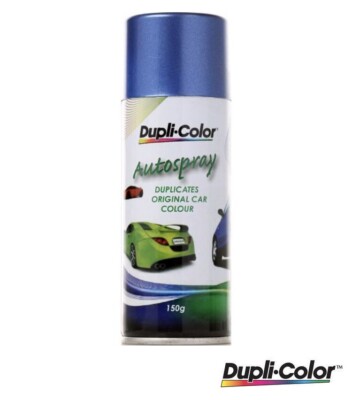
Credit: www.ebay.ca
Essential Tools And Materials
Car spray painting needs the right tools and materials. These help you get smooth and even paint coverage.
Using proper equipment makes the job easier and the finish look professional. Safety and surface prep are key parts.
Spray Guns And Aerosol Cans
Spray guns give you control over paint flow and coverage. They work well for large areas and detailed work.
Aerosol cans are simple to use. They are good for small touch-ups or quick projects.
- Spray guns need an air compressor to work.
- Aerosol cans come pre-filled with paint.
- Spray guns offer more even coats.
- Aerosol cans are easy and portable.
- Both require practice for best results.
Protective Gear
Protective gear keeps you safe from paint fumes and particles. It is very important to wear them while spraying.
Common gear includes masks, gloves, and goggles. These prevent breathing in harmful chemicals and protect skin and eyes.
- Respirator mask filters out paint fumes.
- Gloves protect your hands from chemicals.
- Goggles shield your eyes from spray mist.
- Coveralls keep your clothes clean.
Surface Preparation Supplies
Preparing the car surface is crucial for a smooth paint job. Clean and sand the area before painting.
Good preparation helps paint stick well and last longer. Use the right supplies to get the surface ready.
- Sandpaper of various grits removes old paint and smooths surfaces.
- Cleaning solvents remove grease and dirt.
- Masking tape covers areas you don’t want to paint.
- Primer helps paint stick and prevents rust.
Preparing Your Car For Painting
Painting your car needs careful preparation. Good prep work helps the paint stick well.
Follow simple steps to clean, protect, and fix your car surface before painting.
Cleaning And Sanding
Start by washing the car to remove dirt and grease. Use soap and water for best results.
- Wash the car thoroughly with car shampoo.
- Dry the car with a clean cloth.
- Sand the surface using fine-grit sandpaper.
- Wipe off sanding dust with a damp cloth.
Masking And Taping
Protect areas that you do not want to paint. Use masking tape and paper to cover them.
| Area to Mask | Recommended Masking Material |
|---|---|
| Windows | Plastic film and tape |
| Headlights | Masking tape and paper |
| Tires | Plastic covers |
| Trim | Masking tape |
Repairing Surface Imperfections
Fix dents, scratches, and rust before painting. Use body filler and sand smooth.
- Clean the damaged area.
- Apply body filler to dents.
- Let the filler dry completely.
- Sand the area until smooth and level.
- Remove dust before painting.
Spray Painting Techniques
Spray painting a car requires skill and care. Using the right techniques helps get a smooth and even finish.
This guide explains key steps to improve your spray painting results on cars.
Proper Spray Gun Handling
Hold the spray gun steady and keep it the right distance from the car surface. This distance is usually 6 to 10 inches.
Move the gun smoothly in even strokes. Avoid stopping in one spot to prevent paint buildup.
- Keep the spray gun perpendicular to the surface
- Use a steady speed when moving the gun
- Overlap each pass by about 50% for full coverage
- Maintain consistent pressure on the trigger
Applying Primer Coats
Primer creates a smooth base for paint and helps it stick better. Apply primer in thin, even layers.
Let each primer coat dry fully before adding another layer or starting the paint.
- Clean the surface before applying primer
- Spray primer with steady, even passes
- Apply 2 to 3 thin coats for best results
- Allow drying time as per primer instructions
Layering Base And Clear Coats
Base coat gives the car its color. Clear coat adds shine and protects the paint.
Apply the base coat first, then add clear coats once the base dries. Use thin layers to avoid runs.
- Spray 2 to 3 coats of base color
- Let the base coat dry before clear coating
- Apply 2 to 4 clear coats for protection
- Keep gun movements smooth and even
Drying And Curing Process
Car spray paint needs time to dry and cure for a strong finish. Drying removes solvents from the paint.
Curing hardens the paint so it lasts longer and resists damage. Both steps are very important.
Optimal Drying Conditions
Good drying needs the right temperature and air flow. Too cold or too hot slows drying.
Keep the painted area clean and dust-free for best results. Sunlight helps dry paint faster.
- Ideal temperature is 60-80°F (15-27°C)
- Use fans or open windows for air flow
- Avoid direct dust or dirt on paint
- Dry paint in a shaded but warm place
Avoiding Common Drying Issues
Paint can crack or peel if it dries too fast or too slow. Humidity also affects drying time.
Use thin layers of spray paint. Thick layers take longer to dry and may cause problems.
- Do not paint in very humid weather
- Apply thin, even coats of paint
- Keep the paint surface clean before drying
- Wait enough time between coats
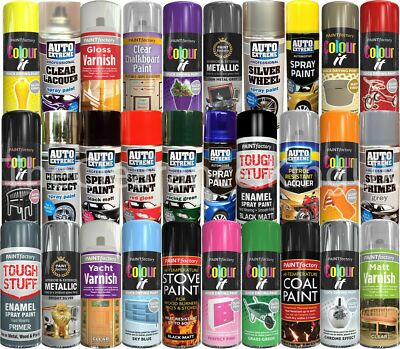
Credit: www.ebay.ca
Finishing Touches
Finishing touches are crucial for a sleek car look. Proper steps ensure a glossy, protective finish.
Learn about wet sanding, polishing, and waxing. These steps add shine and protection to your paint job.
Wet Sanding And Buffing
Wet sanding removes minor imperfections. Buffing smooths the surface for a flawless finish.
| Step | Tools Needed |
| Wet Sanding | Sandpaper, Water |
| Buffing | Buffing Pad, Compound |
Polishing For Shine
Polishing enhances the car’s shine. It brings out the depth of the paint color.
- Use a quality polishing compound
- Apply with a soft cloth or machine
- Work in small sections for best results
Applying Protective Waxes
Waxing protects the paint from elements. It also adds a layer of shine.
Common Mistakes To Avoid
Car spray painting can be tricky. Many people make common mistakes. These mistakes can ruin the final look of your car.
Learning about these mistakes helps you get a smooth, even finish. Avoiding them can save you time and money in the long run.
Paint Runs And Drips
Paint runs and drips happen when too much paint is applied. This makes the surface look uneven and messy.
To prevent this, apply thin, even coats. Allow each coat to dry before adding more paint.
Uneven Coverage
Uneven coverage makes the paint look patchy. This often happens when the spray is not applied evenly.
Keep the spray can at a consistent distance. Move it smoothly across the surface for even coverage.
Dust And Debris Contamination
Dust and debris can stick to wet paint. This creates a rough, bumpy finish.
Clean the area before painting. Use a dust-free space to ensure a smooth finish.
- Use a clean cloth to wipe the surface
- Ensure the workspace is tidy
- Close windows to avoid dust

Credit: www.amazon.ca
Maintenance Tips For Painted Cars
Keeping your car’s paint in good shape helps it look new longer. Regular care protects the paint from damage.
Follow simple steps to clean, touch up, and protect your car’s painted surfaces.
Cleaning Painted Surfaces
Wash your car often to remove dirt and grime. Use a soft cloth or sponge with mild soap and water.
Avoid harsh chemicals and rough brushes. Dry the surface with a clean towel to stop water spots.
- Wash in shade to prevent soap drying too fast
- Use car-specific cleaning products
- Rinse thoroughly to remove all soap
Touch-up Paint Use
Small scratches and chips can be fixed with touch-up paint. This helps avoid rust and further damage.
Clean the area before applying paint. Use a fine brush and apply thin layers. Let each layer dry well.
- Match the paint color carefully
- Apply paint in thin, even coats
- Allow paint to dry fully between coats
- Use clear coat for extra protection
Protecting From Environmental Damage
Sun, rain, and dust can harm your car’s paint. Use protective measures to keep the paint safe.
Park in shaded areas or garages. Use car covers if you park outside for long times.
- Apply wax every few months to seal the paint
- Use paint sealants for extra durability
- Clean off bird droppings and tree sap quickly
- Inspect paint regularly for damage signs
Frequently Asked Questions
What Types Of Car Spray Paint Are Available?
Car spray paints include acrylic enamel, acrylic lacquer, and urethane. Each type offers different durability and finish quality. Choose based on your car’s needs and desired appearance.
How To Prepare A Car Surface For Spray Painting?
Clean the surface thoroughly, sand it smoothly, and apply a primer. Proper preparation ensures paint adhesion and a flawless finish. Avoid dust and moisture during the process.
Can I Spray Paint A Car At Home?
Yes, with proper tools, ventilation, and preparation, you can spray paint a car at home. Practice on small areas first to ensure even application and avoid drips.
How Long Does Car Spray Paint Take To Dry?
Car spray paint typically dries to touch within 30 minutes to an hour. Full curing may take 24 to 48 hours, depending on paint type and environmental conditions.
Conclusion
Car spray paint can refresh your vehicle’s look quickly. It offers a cost-effective way to fix scratches and chips. Choosing the right type and color matters a lot. Proper preparation ensures the paint sticks well and lasts longer. Always work in a clean, dry space for best results.
With patience and care, you can achieve a smooth finish. Spray painting your car helps protect it from rust too. Try it yourself or seek professional help for complex jobs. A fresh coat of paint can make your car look new again.







