
Are you ready to take your kayaking adventures to the next level? A car roof rack for kayaks is exactly what you need to make transporting your kayak easier and safer.
Imagine hitting the water without worrying about how to carry your gear. Whether you have a weekend trip planned or just want hassle-free storage, the right roof rack can change everything. Keep reading to discover how to choose the perfect car roof rack for your kayak and make every trip smooth from start to finish.
Choosing The Right Roof Rack
Car roof racks help you carry kayaks safely on your vehicle. Choosing the right one makes loading easy. It also protects your kayak and car during travel.
Consider the types of roof racks, vehicle compatibility, and weight limits. These factors ensure you pick the best rack for your needs.
Types Of Roof Racks
There are several types of roof racks for kayaks. Each type fits different needs and budgets. Knowing these helps you choose wisely.
- Fixed Point Racks:Attach to factory-installed points on your car roof.
- Raised Rail Racks:Fit on cars with raised side rails for easy installation.
- Flush Rail Racks:Attach to flush rails that are level with the roof surface.
- Track Systems:Use tracks built into the roof for flexible mounting options.
- Clip-On Racks:Clamp onto door frames; good for temporary use but less secure.
Compatibility With Your Vehicle
Check if the roof rack fits your vehicle’s make and model. Not all racks work on every car. Measure your roof and look at your car’s roof type.
| Vehicle Roof Type | Best Rack Type | Notes |
| Fixed Mounting Points | Fixed Point Racks | Strong and secure |
| Raised Side Rails | Raised Rail Racks | Easy to install |
| Flush Rails | Flush Rail Racks | Low profile and sleek |
| No Rails or Mounts | Track Systems or Clip-On | More versatile options |
Weight Capacity Considerations
Check the weight limit of your roof rack and car roof. Kayaks can be heavy, especially with gear inside. Do not exceed these limits for safety.
- Know your kayak’s weight when loaded.
- Find the roof rack’s maximum load rating.
- Check your vehicle’s roof weight limit in the manual.
- Remember to add the weight of racks and accessories.
- Choose a rack with a safety margin above your kayak’s weight.
Selecting Kayak Carriers
Choosing the right carrier for your kayak makes transport safe and easy. Many types fit different needs and car styles.
Think about how often you carry your kayak and the size of your vehicle. This helps you pick the best carrier.
J-cradle Carriers
J-cradle carriers hold the kayak on its side, saving space on the roof. They are good for one or two kayaks.
- Easy to load and unload
- Fits most car roofs
- Works well for long trips
- May require padding to protect the kayak
Saddle Carriers
Saddle carriers hold kayaks upright like a saddle on a horse. They offer firm support and keep kayaks stable.
| Feature | Benefit |
| Upright position | Reduces wind resistance |
| Soft padding | Protects kayak surface |
| Fits various kayak sizes | Versatile use |
| Easy tie-down points | Secure transport |
Stackers And Roof Racks
Stackers and roof racks carry multiple kayaks at once. They are best for families or group trips.
Common stacker and roof rack features:
- Hold two or more kayaks
- Use foam blocks or cradles
- Require strong tie-down straps
- Allow easy kayak stacking
- Fit most roof rack systems
Installation Tips
Installing a car roof rack for kayaks is simple with the right steps. Proper setup keeps your kayak safe on the road.
Follow these tips to install your roof rack quickly and securely. This guide covers mounting, securing, and needed tools.
Mounting The Roof Rack
Place the roof rack on your car’s roof bars. Make sure it sits flat and aligns with the car’s width.
Tighten the mounting clamps or bolts to hold the rack firmly. Avoid over-tightening to prevent damage.
- Clean the roof bars before mounting
- Check the rack fits your car model
- Use a level to ensure the rack is even
- Follow the rack maker’s instructions carefully
Securing Kayak Carriers
Attach kayak carriers to the roof rack with the right straps. Make sure they hold the kayak tight and steady.
Use bow and stern tie-downs for extra safety. Check all straps before driving to avoid accidents.
- Use padded carriers to protect the kayak
- Cross straps over the kayak for balance
- Secure loose ends to stop flapping
- Double-check strap tightness before each trip
Tools And Materials Needed
Gather all tools and materials before installation. This saves time and prevents mistakes.
- Wrench or socket set for bolts
- Measuring tape for alignment
- Straps or ropes for securing kayaks
- Protective pads for kayak carriers
- Cleaning cloth to prep surfaces

Credit: www.amazon.ca
Safe Loading Techniques
Loading your kayak safely on a car roof rack is important. It keeps your kayak secure and protects your car and gear.
Using the right techniques helps avoid damage and makes your trip safer. Follow simple steps to load your kayak correctly.
Positioning Your Kayak
Place your kayak on the roof rack with the hull facing down. This shape fits well and lowers wind resistance.
Center the kayak so it is balanced from front to back. Make sure it does not hang too far over the roof.
- Hull side down for best fit
- Center kayak on the rack
- Avoid overhang on front or back
Balancing Weight Evenly
Keep the kayak’s weight spread evenly across the roof rack bars. This prevents stress on one side of the rack.
Use two or more straps to hold the kayak tight. Tighten straps so the kayak does not shift during driving.
- Distribute weight on all rack bars
- Secure with at least two straps
- Check strap tightness before driving
Using Protective Padding
Put soft padding between the kayak and the roof rack bars. Padding stops scratches and damage to your kayak.
Use foam blocks, pool noodles, or special rack pads. Make sure the padding stays in place under the kayak.
- Use foam or soft material for padding
- Place padding where kayak touches bars
- Check padding stays secure during travel
Strapping And Securing
Strapping and securing your kayak on a car roof rack is important for safe transport. Proper straps keep the kayak stable and prevent damage.
Using the right techniques helps avoid accidents. It also protects your kayak and other vehicles on the road.
Types Of Straps
Different straps work best for carrying kayaks. Choose straps that are strong and easy to use.
- Cam buckle straps: Easy to tighten and release
- Ratchet straps: Provide very tight hold but need careful use
- Bow and stern tie-downs: Keep kayak ends secure
- Soft loop straps: Protect kayak from scratches
Proper Strap Placement
Place straps in the right spots to keep the kayak steady. Straps should not damage the kayak or roof rack.
Secure the kayak at its strongest points and use extra straps if needed. Avoid placing straps on delicate parts.
- Strap over the cockpit or seat area
- Use bow and stern tie-downs for extra security
- Make sure straps lie flat and do not twist
- Attach straps to roof rack points designed for tie-downs
Tension And Safety Checks
Check strap tension before driving. Straps should be tight but not so tight they damage the kayak.
Regularly inspect straps for wear and adjust tension during stops. This keeps the kayak secure on long trips.
- Pull straps firmly to remove slack
- Check straps do not cut into kayak surface
- Inspect buckles and ratchets for damage
- Tighten straps after driving a short distance
- Use bow and stern tie-downs to stop kayak from shifting
Driving Tips With Roof Racks
Using a roof rack for your kayak can make travel easier. It is important to know how to drive safely with a roof rack. This guide will help you adjust your driving habits.
Understanding the impact of a roof rack on your car’s performance is essential. Let’s explore some key areas to focus on when driving with a roof rack for kayaks.
Speed And Handling Adjustments
Roof racks can change how your car handles and its speed. Here are some tips to keep in mind:
- Drive slower than usual, especially in turns.
- Keep a greater distance from the car in front of you.
- Avoid sudden stops and sharp turns.
Weather Considerations
Weather can greatly affect your driving with a roof rack. Pay attention to these factors:
- Wind: Strong winds can cause swaying, so grip the wheel firmly.
- Rain: Wet conditions can make roads slippery, requiring slower speeds.
- Snow: Snow can add weight and create drag, so clear it off regularly.
Regular Safety Inspections
Regular checks ensure your roof rack is secure and safe. Inspect these areas often:
| Component | Inspection Frequency |
| Straps | Before each trip |
| Mounts | Monthly |
| Locks | Quarterly |
Maintenance And Storage
Car roof racks for kayaks need regular care. This helps them last longer and work well.
Proper maintenance and storage protect your equipment from damage. Follow these tips to keep your roof rack in great shape.
Cleaning The Roof Rack
Keeping your roof rack clean is important. Dirt and grime can cause damage over time.
- Use a mild soap and water to wash the rack.
- Rinse thoroughly to remove all soap residues.
- Dry the rack completely to prevent rust.
Storing Equipment Safely
Proper storage of your roof rack and kayak is key. This helps avoid unnecessary wear and tear.
| Item | Storage Tip |
| Roof Rack | Keep in a dry, shaded area. |
| Kayak | Store upside down to prevent water pooling. |
Preventing Wear And Tear
To extend the life of your roof rack, prevent wear and tear with simple steps.
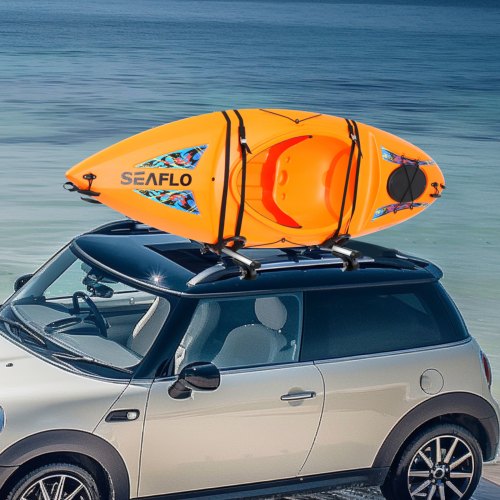
Credit: www.vevor.ca
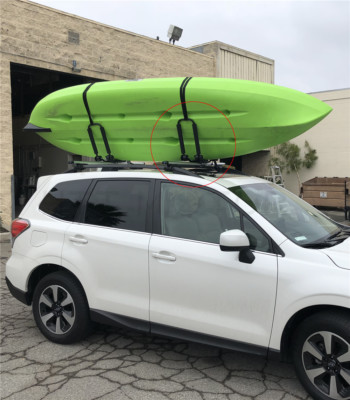
Credit: www.ebay.ca
Frequently Asked Questions
What Is A Car Roof Rack For Kayaks?
A car roof rack for kayaks is a specialized carrier. It securely holds kayaks on a vehicle’s roof. It enables safe and convenient transportation of kayaks to water destinations.
How To Install A Kayak Roof Rack Correctly?
To install, align the rack with your car’s roof bars. Securely fasten all bolts and straps. Always follow the manufacturer’s instructions for safety and stability. Double-check tightness before every trip.
Can Any Car Fit A Kayak Roof Rack?
Most cars with roof rails or crossbars can fit kayak racks. However, compatibility depends on vehicle size and rack type. Always verify your car’s roof specifications before purchasing.
Are Roof Racks Safe For Long Kayak Trips?
Yes, roof racks designed for kayaks are safe for long trips. Proper installation and secure strapping prevent damage or shifting. Regularly check the rack during stops to ensure stability.
Conclusion
A car roof rack makes carrying kayaks easy and safe. It saves space inside your vehicle. You can enjoy more trips without hassle. Choose the right rack for your kayak size. Secure it well to avoid damage or accidents. A good roof rack helps protect your kayak and car.
It also makes loading and unloading quick. Ready for your next adventure? A roof rack is a smart, simple tool to help you get there.







