
Have you ever wished your car windows could block out the harsh sun, protect your privacy, and give your vehicle a sleek look all at once? Tinting your car windows can do just that—and more.
But if you’ve never done it before, the process might seem confusing or even intimidating. Don’t worry. This guide will walk you through every step, making it simple and doable for you. By the end, you’ll know exactly how to tint your car windows like a pro, saving money and boosting your car’s style and comfort.
Ready to get started? Let’s dive in!
Benefits Of Window Tinting
Tinting your car windows offers many advantages. It protects you and your vehicle in several ways.
Understanding these benefits can help you decide if window tinting is right for your car.
Enhanced Privacy
Window tinting makes it harder for people to see inside your car. This keeps your belongings safe and gives you more privacy while driving.
Uv Ray Protection
Tinted windows block harmful ultraviolet rays. These rays can damage your skin and fade your car’s interior over time.
- Protects your skin from sunburn
- Reduces risk of skin cancer
- Prevents dashboard and seats from cracking
- Keeps interior colors from fading
Heat Reduction
Tinted windows can lower the heat inside your car. This helps keep you cool and reduces the need to use the air conditioner.
| Benefit | Effect |
| Lower interior temperature | More comfortable ride |
| Less air conditioner use | Improved fuel efficiency |
| Reduced glare | Safer driving |
Improved Appearance
Window tinting gives your car a sleek and stylish look. It can also hide minor scratches on the glass.
Common tint shades:
- Light gray for subtle look
- Dark charcoal for privacy
- Reflective tint for a shiny finish

Credit: www.absolutetinting.ca
Types Of Window Tints
Car window tints come in different types. Each type has unique features and benefits.
Choosing the right tint depends on your needs and budget. Here are the common types of window tints.
Dyed Tint
Dyed tint uses a layer of dye to block sunlight. It helps reduce glare and heat inside the car.
This tint is one of the most affordable options. It also gives windows a dark, rich look.
- Blocks some heat and UV rays
- Does not reflect light
- May fade over time
Metallic Tint
Metallic tint has tiny metal particles. These particles reflect heat and light away from the car.
This tint is durable and helps keep the car cool. It can also improve window strength.
- Blocks heat well
- May cause signal interference
- Shiny or reflective appearance
Carbon Tint
Carbon tint uses carbon particles instead of metal. It blocks heat without reflection or signal problems.
This type offers a matte black look. It is long-lasting and keeps the car cooler.
- Blocks heat and UV rays effectively
- No signal interference
- Matte finish on windows
Ceramic Tint
Ceramic tint uses ceramic particles. It blocks heat and UV rays very well without reflection.
This tint is high quality and more expensive. It helps keep the car cool and protects the interior.
- Blocks most heat and UV rays
- No signal or GPS interference
- Clear and non-reflective
Tools And Materials Needed
Tinting your car windows needs specific tools and materials. These help you get a smooth and clear finish.
Using the right items makes the job easier and improves results. Here are the main things you will need.
Tint Film
Tint film is the special material you apply to your car windows. It reduces sunlight and heat inside the vehicle.
Choose a film that fits your local laws and your style. Films come in different shades and qualities.
Spray Bottle And Soap Solution
You need a spray bottle filled with a soap and water mix. This solution helps place the tint film on glass smoothly.
Spraying the window and film prevents air bubbles and lets you adjust the film position easily.
Squeegee
A squeegee is a flat tool with a smooth edge. It pushes out water and air from under the tint film.
Using a squeegee carefully removes bubbles and wrinkles for a clean look.
Utility Knife
A sharp utility knife cuts the tint film to fit your car windows perfectly. Use it with care to avoid damage.
Trim the excess film after applying it to get clean edges around the glass.
Heat Gun
A heat gun warms the tint film, helping it bend to curved windows. Heat makes the film stick better.
Use the heat gun gently to avoid burning or damaging the film and glass.
Preparing Your Car Windows
Before tinting your car windows, you need to prepare them well. Proper preparation helps the tint stick and last longer.
This guide covers cleaning the glass, removing old tint, and measuring and cutting the film.
Cleaning The Glass
Clean glass ensures the tint film will stick without bubbles or dirt. Use a glass cleaner and a lint-free cloth.
- Spray the glass cleaner evenly on the window.
- Wipe thoroughly with a microfiber cloth.
- Check for any spots or residue and clean again if needed.
- Make sure the glass is completely dry before tinting.
Removing Old Tint
Remove any old tint to avoid lumps or peeling under the new film. Use heat and scraping tools carefully.
- Use a heat gun or hairdryer to warm the old tint.
- Peel the tint slowly from one corner.
- Use a razor blade to scrape off stubborn glue.
- Clean the glass again after removing all old tint.
Measuring And Cutting Film
Correct measurements and cuts prevent mistakes and waste. Measure your windows before cutting the tint film.
| Window | Measure Width | Measure Height |
| Front Driver Side | 24 inches | 18 inches |
| Front Passenger Side | 24 inches | 18 inches |
| Rear Driver Side | 28 inches | 20 inches |
| Rear Passenger Side | 28 inches | 20 inches |
| Back Window | 40 inches | 22 inches |
Step-by-step Tinting Process
Tinting your car windows can improve privacy and reduce heat inside. The process needs care and patience for good results.
Follow these clear steps to apply window tint film properly. Each part is important to get a smooth, bubble-free finish.
Applying The Film
Start by cleaning the window thoroughly. Remove all dirt and dust. Then, cut the tint film slightly larger than the window size.
Spray a soapy water mixture on the window surface before placing the film. This helps to adjust the film position easily.
Smoothing Out Bubbles
After placing the film, use a squeegee to push out air bubbles and water. Start from the center and move toward the edges.
- Work slowly to avoid tearing the film.
- Check for trapped dust particles and remove if possible.
- Apply firm pressure for a tight seal.
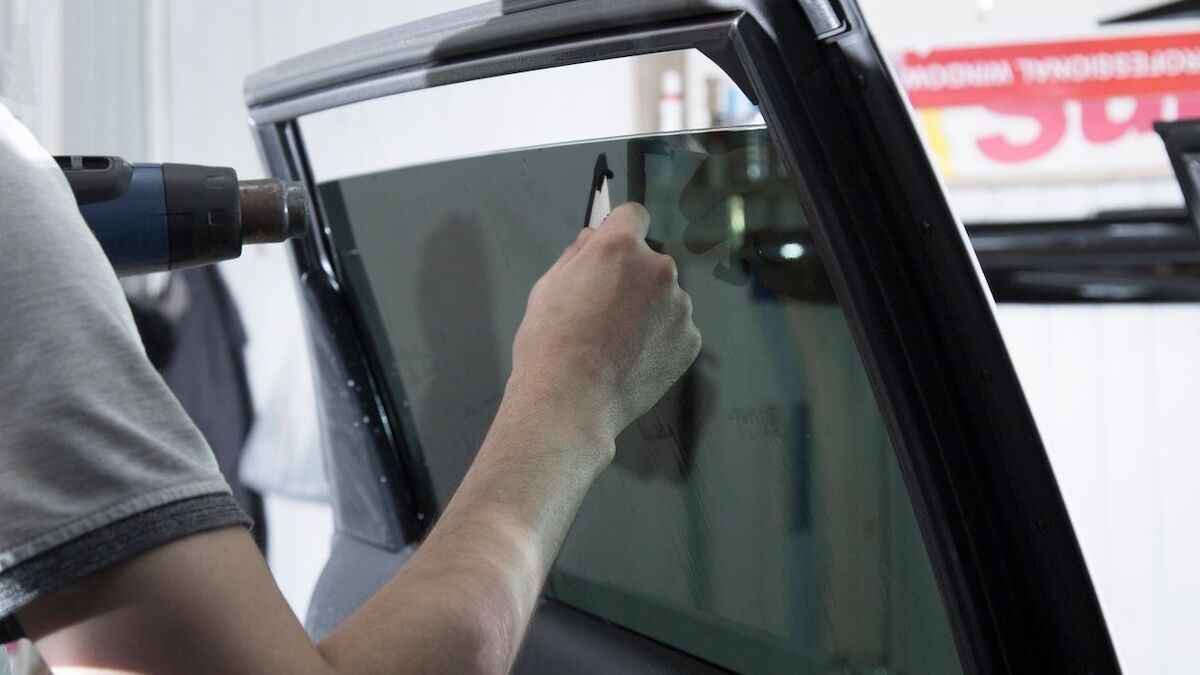
Trimming Excess Film
Use a sharp blade to trim the extra tint film around the window edges. Make clean cuts to avoid peeling later.
Tip: Hold the blade at a 45-degree angle for better control. Always cut slowly to prevent mistakes.
Heating And Setting The Tint
Use a heat gun or hair dryer to warm the tint film. Heat helps the film shrink and stick firmly to the glass.
| Tool | Purpose | Usage Time |
| Heat Gun | Shrinks and sets film | 1-2 minutes per section |
| Squeegee | Removes bubbles | Continuous during application |
| Blade | Trims excess film | After film placement |
Credit: www.kbb.com
Common Mistakes To Avoid
Tinting your car windows can make your vehicle look stylish. It also provides privacy and blocks harmful UV rays. However, many people make mistakes during the tinting process.
Avoid these common errors to ensure a smooth and professional tinting job.
Not Cleaning Properly
Before applying tint, you must clean your windows well. Dirt and dust can cause bubbles in the tint film.
Use a good glass cleaner and a lint-free cloth. Ensure the window is spotless and dry before you start.
Rushing The Application
Patience is key when tinting windows. Rushing can lead to wrinkles and misalignment.
Take your time to align the film correctly. Smooth out any bubbles with a squeegee.
Using Low-quality Film
Cheap film can fade and peel quickly. Investing in high-quality tint film is important.
Good tint lasts longer and provides better UV protection. Choose a reputable brand for best results.
Ignoring Legal Tint Limits
Each state has laws about how dark your tint can be. Ignoring these can result in fines.
Check your local regulations before choosing a tint level. This ensures you stay within the legal limits.
Caring For Tinted Windows
Tinted windows add style and privacy to your car. Proper care keeps them looking great and lasting longer.
Follow these tips to maintain your tinted windows and avoid unnecessary damage.
Cleaning Tips
Use gentle cleaners for your tinted windows. Avoid harsh chemicals that can damage the tint.
- Use a soft cloth or microfiber towel
- Choose ammonia-free cleaners
- Clean in a shaded area to avoid streaks
Avoiding Damage
Prevent damage to your window tint by being careful with sharp objects. Keep your windows safe from scratches and tears.
- Do not use abrasive pads
- Be mindful of seatbelt buckles
- Avoid rolling down windows for a few days after tinting
When To Replace Tint
Window tint may need replacing if it shows wear. Look for signs like bubbling or discoloration.
- Bubbles forming under the tint
- Fading or purple color
- Peeling at the edges

Credit: southerntint.com
Legal Considerations
Tinting your car windows can improve comfort and privacy. Knowing the law helps you avoid fines.
Each state has rules about how dark and where you can tint your windows. Follow these rules closely.
State Tinting Laws
Window tint laws vary by state. Some states allow darker tints on rear windows but limit front window darkness.
- Check your state’s specific tint laws before tinting.
- Some states require a medical exemption for darker tints.
- Illegal tinting can result in fines or orders to remove tint.
Tint Darkness Limits
Tint darkness is measured by Visible Light Transmission (VLT). Lower VLT means darker tint.
| Window | Common VLT Limit (%) |
| Front Side Windows | 35-50 |
| Rear Side Windows | 20-50 |
| Rear Window | 15-50 |
Safety Regulations
Safety rules protect drivers and first responders. Tint must not block too much light or reduce visibility.
- Emergency personnel need to see inside your vehicle.
- Excessive tint can cause accidents due to poor visibility.
- Reflective or mirrored tints may be banned for safety reasons.
Frequently Asked Questions
What Are The Benefits Of Tinting Car Windows?
Tinting car windows reduces glare, blocks UV rays, and keeps interiors cooler. It enhances privacy and protects your car’s upholstery from fading. Additionally, tinted windows improve driving comfort and can increase your vehicle’s resale value.
Is Tinting Car Windows Legal Everywhere?
Window tinting laws vary by location. Some states have strict limits on darkness and reflectivity. Always check local regulations before tinting to ensure compliance. Illegal tints can result in fines or the need to remove the film.
How Long Does Car Window Tinting Last?
High-quality window tint films typically last 5 to 10 years. Proper installation and care can extend the lifespan. Factors like sun exposure and cleaning methods affect durability. Fading or bubbling indicates it’s time for a replacement.
Can I Tint My Car Windows Myself?
Yes, DIY window tinting is possible but requires patience and precision. You need the right tools and a clean, dust-free environment. Professional installation ensures a smooth, bubble-free finish and may come with a warranty.
Conclusion
Tinting your car windows adds privacy and protects against the sun. It can also help keep your car cooler during hot days. Choose the right tint that follows local laws to avoid trouble. Clean your windows well before applying the film for the best results.
Take your time and work carefully to prevent bubbles or wrinkles. With patience and the right steps, you can tint your windows yourself. Enjoy the comfort and style that window tinting brings to your vehicle.







