
Have you ever pressed the button to roll down your car window, only to find it won’t budge? It’s frustrating, especially when you need fresh air or want to pay at a toll booth quickly.
The problem might be simpler than you think—a blown car window fuse. Understanding what a car window fuse does and how to check or replace it can save you time, money, and hassle. You’ll discover everything you need to know to get your windows working smoothly again, without calling a mechanic.
Keep reading, and you’ll be back in control of your car windows in no time.
Credit: www.rs25.com
Car Window Fuse Basics
Car window fuses protect the electrical system of your vehicle. They stop too much current from flowing to the windows.
This guide explains the role of the fuse, common fuse types, and signs of a blown fuse.
Role Of The Fuse
The fuse acts as a safety device in the car’s electrical system. It breaks the circuit if the current is too high. This prevents damage to the window motor and wiring.
Common Fuse Types For Windows
| Fuse Type | Description | Typical Rating |
| Blade Fuse | Plastic body with two metal prongs | 10-30 Amps |
| Mini Blade Fuse | Smaller version of blade fuse | 5-20 Amps |
| Glass Tube Fuse | Glass body with metal caps | 3-15 Amps |
Signs Of A Blown Fuse
- The car window does not move up or down.
- The window switch feels unresponsive.
- Other electrical parts near the window may also fail.
- Visible damage inside the fuse, like a broken wire.
Locating The Fuse Box
The car window fuse controls the power to your windows. If the windows stop working, the fuse may be blown. To fix this, you need to find the fuse box.
Knowing where the fuse box is helps you check and replace the fuse quickly. This guide will show you how to locate the fuse box in your car.
Typical Fuse Box Locations
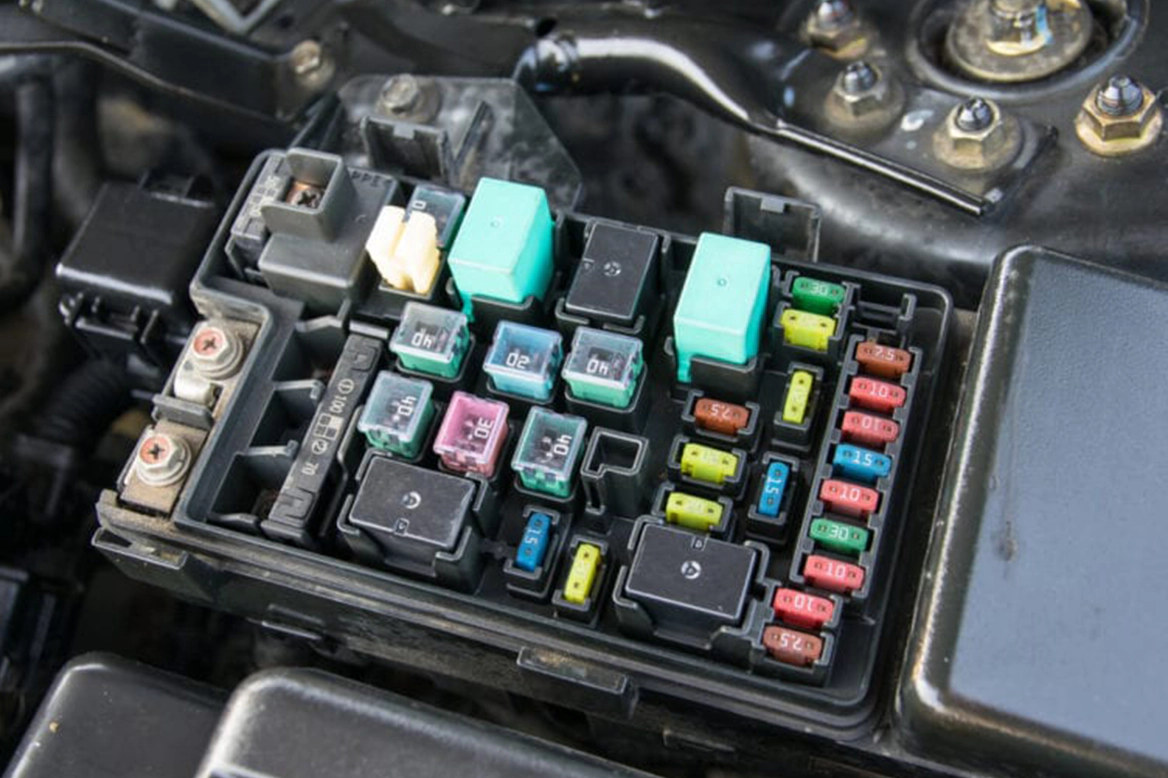
Fuse boxes are usually inside the car or under the hood. The exact place depends on the car model. Common spots include the dashboard, engine area, and near the glove box.
- Under the dashboard on the driver’s side
- Inside the glove box
- Under the hood near the battery
- On the side of the dashboard visible when the door is open
Using The Owner’s Manual
The owner’s manual is the best place to find the fuse box location. It has diagrams and instructions for your specific car model.
Look in the index or table of contents under “fuse box” or “fuses.” This helps you find the exact spot and the fuse number for the car windows.
Tools Needed For Access
You usually do not need many tools to open the fuse box. Most fuse boxes have a plastic cover that you can remove by hand.
Sometimes a flathead screwdriver helps to pry open tight covers. A flashlight can help you see the fuses clearly, especially in dark areas.
- Flathead screwdriver (optional)
- Flashlight for better visibility
- Owner’s manual for guidance
Checking The Fuse
Car window fuses protect the electrical system from damage. Checking the fuse helps find problems if the window stops working.
This guide explains how to check the fuse safely and correctly. Follow the steps carefully to avoid mistakes.
Visual Inspection Techniques
Look at the fuse outside the fuse box to find any damage. A good fuse has an unbroken metal strip inside.
- Remove the fuse from its slot carefully.
- Hold the fuse up to a light source.
- Check for a melted or broken metal strip.
- Look for discoloration or burn marks on the fuse.
- Replace the fuse if you see any damage.
Using A Multimeter
A multimeter helps test the fuse’s electrical flow. Set the multimeter to measure resistance or continuity.
| Multimeter Setting | Fuse Status |
| Continuity Beep | Fuse is good |
| No Beep or High Resistance | Fuse is blown |
Touch the multimeter probes to each end of the fuse. If the meter beeps or shows low resistance, the fuse works.
Safety Precautions
Follow these safety rules when checking the fuse:
- Turn off the car engine before you start.
- Disconnect the battery to avoid electric shock.
- Use insulated tools to remove the fuse.
- Avoid touching metal parts with bare hands.
- Replace fuses with the exact type and rating.
Replacing The Fuse
Car window fuses protect the electrical system from damage. If your window stops working, the fuse might be blown.
Replacing the fuse is a simple task you can do at home with basic tools and care.
Choosing The Correct Fuse Rating
Pick a fuse with the exact rating your car needs. Using the wrong fuse can cause more damage.
Check your car’s manual or the fuse box cover for the right fuse rating. It is usually measured in amps.
- Look for the number on the old fuse
- Use the same amp rating for replacement
- Never use a fuse with a higher rating
- Use automotive fuses only
Step-by-step Replacement Guide
First, turn off the car and remove the key from the ignition. Safety is important.
Find the fuse box, usually under the dashboard or in the engine bay. Use the fuse box diagram to locate the window fuse.
- Open the fuse box cover
- Use fuse puller or needle-nose pliers to remove the old fuse
- Check if the fuse wire inside is broken
- Insert the new fuse with the correct rating
- Close the fuse box cover
- Test the window switch to see if it works
Avoiding Common Mistakes
Do not replace the fuse with one that has a higher amp rating. This can cause electrical fires.
Do not force the fuse into the slot. It should fit easily and securely.
- Always turn off the car before working on fuses
- Use the correct fuse type and rating
- Do not ignore repeated fuse blowouts; check the wiring
- Keep spare fuses in your car for emergencies
Preventing Future Fuse Issues
Car window fuses protect your vehicle’s electrical system. Taking care of these fuses helps avoid breakdowns and costly repairs. Simple steps can keep your fuses working well for a long time.
Understanding how to maintain fuses and when to get help is key. This guide gives you clear tips to prevent fuse problems in the future.
Regular Maintenance Tips
Check your car window fuse regularly. A quick look can spot issues early. Clean the fuse box to avoid dirt build-up. Replace old or damaged fuses immediately.
- Inspect fuses every few months
- Keep the fuse box dry and clean
- Use the correct fuse type for replacements
- Test electrical parts if the fuse blows often
Avoiding Electrical Overloads
Overloading causes fuses to blow frequently. Avoid using too many devices at once. Do not add extra electrical parts without checking the load. Use devices that match your car’s electrical limits.
| Cause | Effect | Prevention |
| Too many accessories | Fuse blows | Limit accessory use |
| Wrong fuse type | Fuse fails early | Use correct fuse size |
| Damaged wiring | Short circuits | Inspect and repair wiring |
| Moisture in fuse box | Corrosion | Keep fuse box dry |
When To Seek Professional Help
If fuses blow repeatedly, get expert help. Electrical problems can be tricky and unsafe. A professional can find hidden faults and fix them safely.
Signs to call a mechanic:
- Fuses blow right after replacement
- Windows or other parts don’t work properly
- Burning smell near fuse box
- Visible damage to wiring or fuse box

Credit: www.amazon.com
Credit: www.sunautoservice.com
Frequently Asked Questions
What Is A Car Window Fuse And Its Function?
A car window fuse protects the power window circuit from electrical damage. It stops overloads by breaking the circuit. This prevents damage to the motor and wiring. Without it, windows could fail or cause electrical hazards.
How To Check If A Car Window Fuse Is Blown?
Turn off the ignition and locate the fuse box. Remove the fuse for the window circuit. Inspect the metal strip inside; if broken, the fuse is blown. Replace it with one of the same rating to restore window function.
Where Is The Car Window Fuse Located?
The car window fuse is usually found in the fuse box under the dashboard or hood. Check your vehicle’s manual for the exact location. It is labeled as “Power Windows” or “Window Motor” for easy identification.
Can A Blown Car Window Fuse Cause Window Failure?
Yes, a blown fuse cuts power to the window motor. This stops the window from moving up or down. Replacing the fuse often solves the issue without needing complex repairs.
Conclusion
Car window fuses protect your vehicle’s electrical system. They stop damage from power surges or shorts. Checking the fuse is simple and quick. A blown fuse can cause windows to stop working. Replacing it restores normal window function fast. Keep spare fuses in your car for emergencies.
Understanding this small part saves time and money. Take care of your car’s electrical health regularly. Stay safe and avoid costly repairs by acting early.







