
Have you ever noticed sticky residue or stubborn stains ruining the shine of your car’s paint? It’s frustrating when dirt, sap, or adhesive won’t come off, leaving your vehicle looking less than perfect.
You might have heard about Goo Gone as a powerful cleaner, but is it safe for your car’s paint? You’ll discover how Goo Gone works on car paint, what to expect, and simple tips to keep your car looking flawless without damage.
Keep reading to protect your investment and restore that showroom shine!
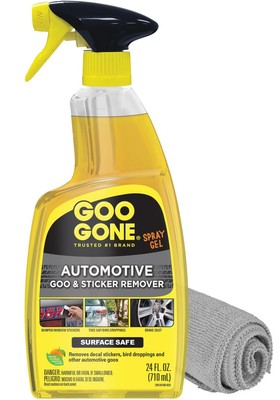
Credit: www.ebay.com
What Is Goo Gone
Goo Gone is a cleaning product that removes sticky messes. It works on glue, gum, and other sticky substances.
Many people use Goo Gone to clean different surfaces, including car paint. It helps remove tough residues without much effort.
What Goo Gone Is Made Of
Goo Gone has oils and solvents that break down sticky materials. These ingredients help lift off glue and tar easily.
The formula is designed to be gentle on surfaces but strong on sticky messes. It does not harm most car paints if used carefully.
How Goo Gone Works On Car Paint
Goo Gone softens sticky substances so you can wipe them away. It dissolves glue and tar without rubbing hard.
After applying Goo Gone, you can remove sticky spots with a cloth. It helps clean car paint without scratching it.
When To Use Goo Gone On Car Paint
Use Goo Gone to remove stickers, bug residue, and tree sap from car paint. It cleans spots that soap and water can’t remove.
Do not use it on fresh paint or damaged areas. Test Goo Gone on a small spot first to avoid problems.
Risks Of Goo Gone On Car Paint
Goo Gone is a popular cleaner used to remove sticky residues. Many people use it on car paint to remove tar, sap, or glue. But Goo Gone can cause damage if not used carefully.
This article explains the risks of using Goo Gone on car paint. It helps you understand what to watch for before applying it.
Chemical Reaction With Paint
Goo Gone contains solvents that can break down sticky substances. These solvents can also react with the car’s paint. This reaction may cause discoloration or dull spots on the paint surface.
Damage To Protective Coatings
Cars often have a clear coat to protect the paint. Goo Gone can eat away at this clear coat if left on too long. This damage lowers the paint’s protection and can lead to rust or fading.
Proper Use And Precautions
- Test Goo Gone on a small hidden area first
- Use a soft cloth to apply it gently
- Do not leave Goo Gone on paint for more than a few minutes
- Wash and dry the area thoroughly after use
- Avoid using Goo Gone on hot surfaces or direct sunlight
Signs Of Paint Damage
| Sign | Description |
|---|---|
| Discoloration | Paint color looks faded or different |
| Dull Spots | Areas lose shine and look matte |
| Peeling | Clear coat or paint flakes off |
| Sticky Residue | Surface feels tacky or rough |
Preparing Your Car Surface
Before using Goo Gone on your car paint, preparing the surface is important. Proper preparation helps protect the paint and ensures better cleaning results.
Start by cleaning the area and then testing the product on a small spot. These steps reduce risks and improve safety.
Cleaning The Area
Remove dirt, dust, and debris from the car surface before applying Goo Gone. Use mild soap and water with a soft cloth. Dry the area completely to avoid water spots.
- Use a gentle car wash soap
- Rinse with clean water
- Dry with a microfiber towel
- Check for any remaining dirt
Testing On A Small Spot
Test Goo Gone on a hidden part of the paint. This step checks for any damage or discoloration before full use.
| Test Area | Observation Time | Result |
| Inside wheel well | 15 minutes | No damage or color change |
| Lower door panel | 15 minutes | Check for dullness or staining |
Step-by-step Removal Process
Goo Gone helps remove sticky residue from car paint safely. Follow these steps to clean your car without damage.
Use care and patience for the best results. Protect your paint and restore your car’s look.
Applying Goo Gone Safely
Before applying Goo Gone, test it on a small hidden area. This ensures no reaction with your paint.
- Clean the area with water and mild soap to remove dirt.
- Dry the area completely with a soft cloth.
- Apply a small amount of Goo Gone on a microfiber cloth.
- Gently dab the residue, avoiding hard rubbing.
Gently Removing Residue
Remove the sticky residue slowly to protect your car’s paint surface. Avoid harsh scrubbing.
| Tip | Reason |
|---|---|
| Use soft microfiber cloth | Prevents scratches on paint |
| Work in small sections | Controls removal and avoids overuse |
| Do not soak paint | Protects clear coat from damage |
Wiping And Cleaning
After residue removal, clean the area to remove any Goo Gone traces. This keeps the paint safe.
- Wipe area with a clean damp cloth.
- Use mild soap and water to wash off Goo Gone.
- Dry the surface gently with a soft towel.
- Inspect the paint for any leftover residue.
Alternatives To Goo Gone
Goo Gone is popular for removing sticky residue from car paint. Some people prefer other options to protect their car’s finish.
This guide covers natural and commercial alternatives to Goo Gone for cleaning car paint safely.
Natural Solutions
Natural products can remove sticky substances without harsh chemicals. They are gentle on car paint and easy to find.
Some common natural options include oils and household items that break down sticky residue.
- Vegetable oil or olive oil softens and lifts sticky spots.
- Baking soda mixed with water creates a mild scrub.
- White vinegar helps dissolve adhesive residue.
- Coconut oil works well to loosen glue and stickers.
- Warm soapy water is safe for light sticky messes.
Commercial Products
There are many commercial products made to remove sticky residue from car paint. They are formulated to be safe and effective.
Some popular commercial alternatives include adhesive removers and cleaners designed for automotive use.
- WD-40 loosens sticky glue and tar from surfaces.
- Isopropyl alcohol removes glue but should be used carefully.
- Automotive adhesive removers are made for car paint.
- Mineral spirits dissolve tough sticky residues safely.
- Car-specific bug and tar removers target sticky stains.
Protecting Your Car Paint After Removal
Removing sticky residues from your car’s paint is crucial. But, you must protect the paint afterwards. This keeps your car looking shiny and new.
Using the right products and methods helps maintain the paint. Here are some tips to ensure your car remains in top condition.
Using Wax Or Sealant
Applying wax or sealant after cleaning is important. It forms a protective layer on the car’s surface. This helps in shielding the paint from harsh elements.
- Choose a high-quality car wax or sealant.
- Apply it evenly across the car’s surface.
- Buff the wax to a shine with a clean cloth.
- Repeat the process every few months for best results.
Regular Maintenance Tips
Regular maintenance is key to keeping your car paint vibrant. Routine checks help in spotting potential issues early.
| Maintenance Task | Frequency |
| Wash your car | Every 2 weeks |
| Inspect for scratches | Monthly |
| Apply wax or sealant | Quarterly |
| Check tire condition | Monthly |
When To Seek Professional Help
Using Goo Gone on car paint can be tricky. Sometimes, it is best to call in the experts. This ensures your vehicle remains in top condition.
There are certain situations where professional help is necessary. Let’s explore when you should not handle it alone.
Complex Stains
Some stains are stubborn and hard to remove. Attempting to clean them yourself might damage your car’s paint.
- Tree sap that is deeply embedded
- Old paint splatters
- Industrial fallout
Large Affected Areas
If a large part of your car is stained, it’s better to seek professional help. They have the tools and expertise to handle big jobs.
Uncertainty About Paint Type
Not all car paints are the same. Using Goo Gone on the wrong type can cause damage. Professionals can identify your car’s paint type correctly.
| Paint Type | Risk Level |
| Metallic | High |
| Clear Coat | Medium |
| Matte | Very High |
Credit: www.bimmerfest.com
Credit: f48.bimmerpost.com
Frequently Asked Questions
Is Goo Gone Safe To Use On Car Paint?
Yes, Goo Gone is generally safe for car paint when used as directed. Always test on a small, hidden area first to avoid damage.
How Do I Remove Sticky Residue With Goo Gone?
Apply Goo Gone to the sticky residue, let it sit for a few minutes, then gently wipe it off with a soft cloth.
Can Goo Gone Damage My Car’s Clear Coat?
If used properly and not left on too long, Goo Gone won’t harm the clear coat. Always rinse the area with soap and water afterward.
What Should I Do After Using Goo Gone On Paint?
After using Goo Gone, wash the area with car soap and water. Dry thoroughly, then apply wax to protect the paint surface.
Conclusion
Goo Gone works well to remove sticky residue from car paint. It cleans without harming the paint if used carefully. Always test a small spot first to avoid damage. Use soft cloths and gentle rubbing for best results. Quick action prevents stains from setting in deeply.
Clean your car paint regularly to keep it looking fresh. Goo Gone can help make your car shine again. Simple steps make the process safe and easy. Keep your car paint smooth and spotless with care.







