
Have you ever wondered if your car insurance can actually cover repairs after an accident or damage? You might be surprised at how much your policy can help you save on costly fixes.
Understanding what your insurance covers can protect you from unexpected expenses and give you peace of mind on the road. Keep reading to discover exactly when and how your car insurance can step in to cover repair costs—and what you need to know to make the most of your coverage.

Credit: gvelondon.com
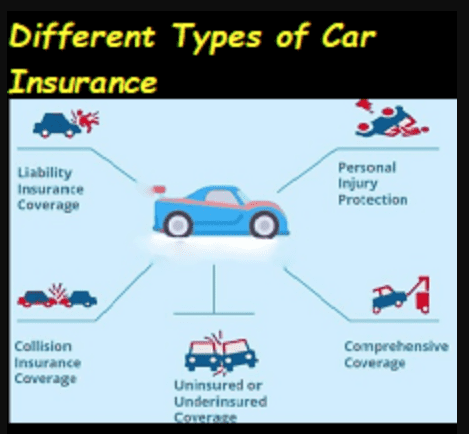
Types Of Car Insurance Coverage
Car insurance helps pay for damages after an accident. Different coverage types protect different parts of your car or costs.
Understanding these types helps you know what repairs your insurance may cover.
Liability Coverage
Liability coverage pays for damage you cause to others. It covers their car repairs and medical bills.
This coverage does not pay for your own car repairs after an accident.
Collision Coverage
Collision coverage pays to fix your car after a crash. It helps if you hit another car or an object.
This coverage usually has a deductible, which is the amount you pay first.
- Repairs after hitting another vehicle
- Damage from crashing into objects
- Helps with repair or replacement costs
Comprehensive Coverage
Comprehensive coverage pays for damage not caused by crashes. It covers theft, weather damage, and vandalism.
This coverage helps repair your car after fire, flood, or hitting an animal.
- Theft or break-ins
- Fire or natural disasters
- Damage from animals or falling objects
Uninsured Motorist Coverage
This coverage helps pay for your repairs if another driver has no insurance. It also covers hit-and-run accidents.
It protects you from costs when the other driver cannot pay for the damage.
Credit: denttime.com
When Repairs Are Covered
Car insurance can pay for repairs in many situations. Knowing when your policy helps is important. This guide explains common cases where repairs are covered.
Each type of damage has specific rules. Check your policy details for exact coverage. Below are main reasons insurance may cover repair costs.
Accidents And Collisions
Insurance usually covers damage from crashes. This includes hitting another vehicle, object, or losing control. Collision coverage pays for repairs to your car.
- Damage caused by a car accident
- Repairs after hitting a stationary object
- Losses from single-car crashes
- Costs of fixing dents and scratches from collisions
Theft And Vandalism
Theft or vandalism damage often counts as covered repairs. If parts or the whole car are stolen, insurance may pay. Also, damage from vandalism like broken windows or scratches can be included.
Natural Disasters
Damage from weather events may be covered. This includes hail, floods, and storms. Comprehensive coverage often handles these repairs. Below is a table showing common disasters and repair coverage.
| Natural Disaster | Repair Coverage |
| Hail | Usually covered |
| Flood | Covered if comprehensive applies |
| Storm Damage | Covered with comprehensive |
| Earthquake | Depends on policy |
Glass And Windshield Damage
Many policies cover glass damage separately. Repairs or replacements of windshields and windows may be paid. Sometimes a special glass coverage is needed.
- Cracks and chips repair
- Full windshield replacement
- Side and rear window damage
Factors Affecting Repair Coverage
Car insurance can help pay for repairs after an accident. Several factors decide if your repairs get covered.
Knowing these factors helps you understand your insurance policy better. This guide explains key points affecting repair coverage.
Policy Limits And Deductibles
Your insurance has limits and deductibles. The limit is the most the insurer will pay. The deductible is what you pay first.
- If repair costs go over your limit, you pay the rest.
- A higher deductible means lower premiums but more out-of-pocket costs.
- Choose a deductible you can afford in case of damage.
Fault Determination
Who caused the accident matters. If you are at fault, your collision coverage may pay for repairs.
If another driver is at fault, their liability insurance should cover your repairs. Sometimes fault is shared, which can affect payment.
Type Of Damage
| Damage Type | Coverage Details |
| Collision | Covers damage from hitting another vehicle or object. |
| Comprehensive | Covers non-collision damage like theft or weather. |
| Liability | Covers damage you cause to other cars, not yours. |
Understanding your damage type helps you know what repairs insurance will pay for.
Vehicle Age And Condition
Older cars may have limited repair coverage. Insurers may only pay the car’s current value.
Factors affecting coverage for old cars include:
- Market value of the vehicle
- Pre-existing damage before the claim
- Type of repairs needed
- Availability of parts
Steps To File A Repair Claim
Filing a repair claim with your car insurance can save you money and stress. It is important to follow the right steps to ensure your claim is handled quickly.
Below are the key steps to help you file a repair claim properly after an incident.
Reporting The Incident
Contact your insurance company as soon as possible after the incident. Provide all details like the date, time, location, and what happened. This helps start the claim process quickly.
Getting Repair Estimates
After reporting, get repair estimates from trusted shops. Estimates show how much the repair will cost. You may need to send these to your insurer for review.
- Visit at least two repair shops
- Ask for a written cost estimate
- Check if the estimate includes parts and labor
- Keep copies of all estimates
Choosing Repair Shops
You can pick any repair shop, but some insurers have preferred shops. Using a preferred shop may speed up your claim and reduce out-of-pocket costs.
| Factor | Preferred Shops | Independent Shops |
| Claim Speed | Faster approval | May take longer |
| Cost | Lower or no extra cost | Possible higher cost |
| Quality | Certified repairs | Varies by shop |
Claim Approval Process
After submitting estimates, your insurer will review the claim. They may send an adjuster to inspect the damage. Once approved, they will tell you how to proceed with repairs.
- Submit repair estimates and documents
- Insurance reviews and inspects damage
- Receive approval or request for more info
- Get payment or direct repair authorization
- Complete repairs and keep receipts
Costs Not Covered By Insurance
Car insurance helps pay for many repairs after accidents. Yet, some costs remain your responsibility. Knowing what insurance does not cover saves money and avoids surprises.
This guide explains common repair costs that insurance usually excludes. Read each section carefully to understand your coverage limits.
Wear And Tear
Insurance does not pay for damage caused by regular use. Parts that slowly break down over time fall into this category. Examples include worn tires, brake pads, and faded paint.
Mechanical Failures
Breakdowns from old or faulty parts are not covered. Insurance covers sudden damage, not repairs for engines, transmissions, or electrical systems that fail without a crash.
Unauthorized Repairs
Insurance may refuse to pay for repairs done without approval. Always get permission before fixing your car. Unauthorized repairs can lead to denied claims.
- Notify your insurer before repair work
- Use approved repair shops
- Keep all receipts and documents
- Report any changes in repair plans
Policy Exclusions
| Exclusion Type | Description |
|---|---|
| Intentional Damage | Damage caused on purpose is not covered. |
| Racing or Illegal Use | Damages during races or illegal acts are excluded. |
| Personal Items | Items inside the car are not insured. |
| Non-Listed Drivers | Damage caused by drivers not on the policy may be denied. |
Tips To Maximize Repair Coverage
Car insurance is important for unexpected repairs. You can get more out of your coverage with some simple tips. Learn how to make the most of your policy.
Understanding your policy and good communication can help you when repairs are needed. Here are some ways to maximize your car insurance repair coverage.
Reviewing Your Policy
Understanding your insurance policy is key. Know what is covered and what is not. This helps you avoid surprises when you need repairs.
Check for any exclusions or limits on repair coverage. Make sure your policy fits your needs and adjust if necessary.
- Read your policy documents carefully
- Contact your insurer for clarifications
- Ensure coverage for common repairs
Maintaining Documentation
Keep all records of your vehicle’s maintenance and repairs. These documents are useful when filing claims. They prove that you have taken care of your car.
Organize receipts, service records, and any communication with repair shops. This makes it easier to show your insurer the history of your car.
Regular Vehicle Maintenance
Regular maintenance can prevent major issues. It also shows your insurer that you are responsible. This might help when you need to make a claim for repairs.
Follow the maintenance schedule from your car’s manufacturer. Regular check-ups can catch problems early and save money.
Communicating With Your Insurer
Good communication with your insurer is important. Report any accidents or damages as soon as possible. This helps in processing your claims quickly.
Ask questions if you are unsure about your coverage. Your insurer can provide guidance and support during the claims process.
- Notify your insurer promptly after incidents
- Keep a record of all communications
- Ask for advice on the claims process

Credit: wolfandpravato.com
Frequently Asked Questions
Can Car Insurance Cover All Types Of Repairs?
Car insurance may cover repairs, but it depends on your policy type. Comprehensive and collision coverages usually pay for damages. Liability insurance does not cover your car repairs. Always check your policy details to know what repairs are included.
Does Insurance Cover Repairs After An Accident?
Yes, collision insurance typically covers repair costs from accidents. You’ll need to pay the deductible first. The insurer pays the remaining repair amount. Report the accident promptly to start your claim process.
Are Wear And Tear Repairs Covered By Car Insurance?
No, normal wear and tear repairs are not covered. Insurance covers sudden, accidental damages, not maintenance issues. Regular servicing and repairs due to aging parts are your responsibility.
How Does Deductible Affect Repair Cost Coverage?
The deductible is the amount you pay before insurance covers repairs. Higher deductibles lower your premium but increase out-of-pocket repair costs. Choose a deductible that fits your financial comfort and insurance needs.
Conclusion
Car insurance can help cover repair costs in many cases. Coverage depends on your policy type and claim details. Not all damages are included, so read terms carefully. Some repairs may need extra coverage or deductibles. Always report accidents promptly to avoid claim issues.
Knowing your insurance limits saves money and stress. Choose a policy that fits your needs and budget. Repair costs can be high, so insurance offers peace of mind. Stay informed to protect your car and finances well.







