
Have you ever wondered how to keep a close eye on your car’s location without constantly calling or worrying? Tracking cars with GPS systems gives you that power.
Whether you want to protect your vehicle from theft, monitor a teen driver, or manage a fleet for your business, knowing how to use GPS tracking can save you time, stress, and money. You’ll discover simple, effective ways to track your car with GPS technology.
By the end, you’ll feel confident and ready to take control of your vehicle’s safety like never before. Keep reading—your peace of mind is just a few steps away.
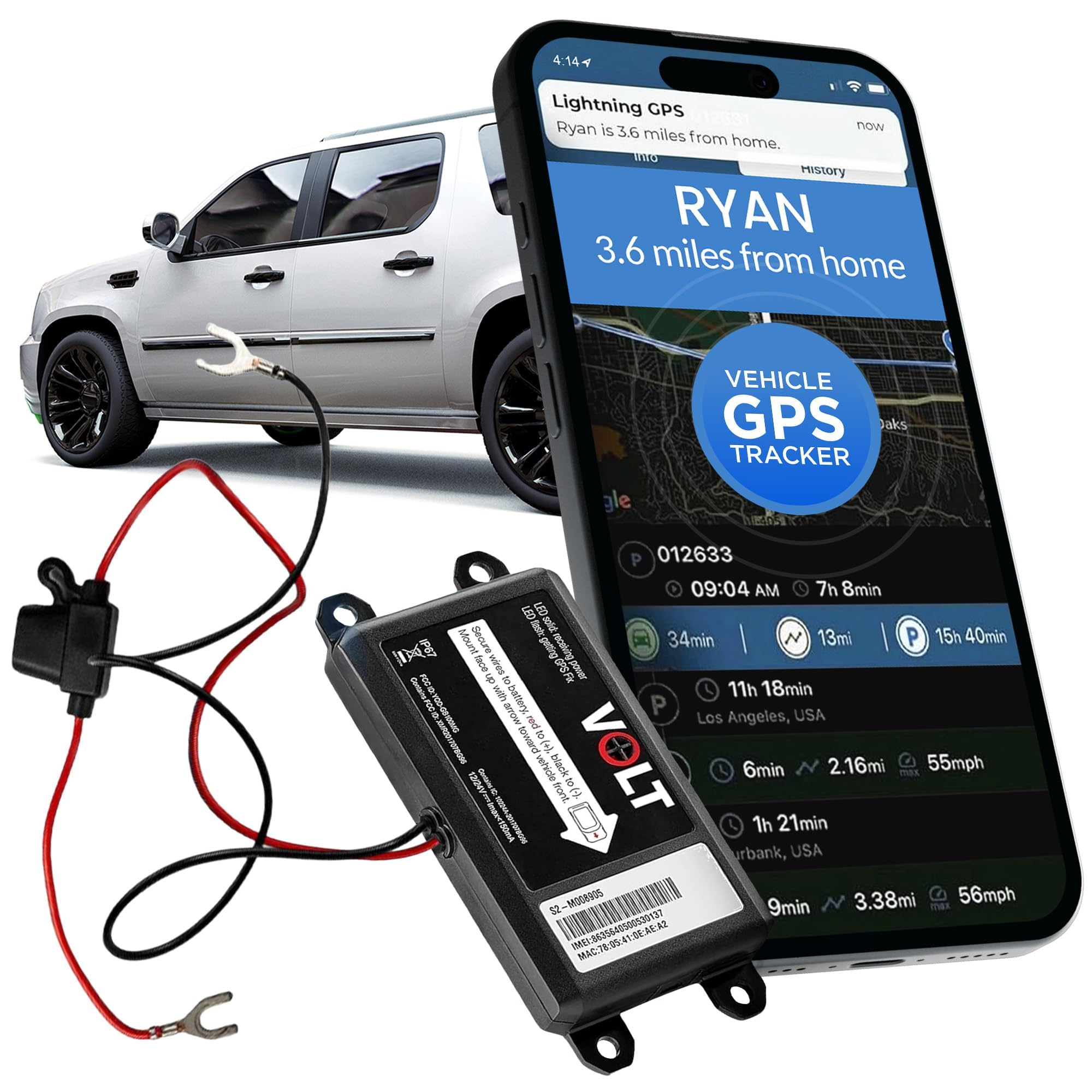
Credit: www.amazon.ca
Benefits Of Gps Car Tracking
GPS car tracking helps keep vehicles safe and easy to find. Many people and businesses use it to watch their cars in real time.
This technology offers many benefits. It improves security, saves money, and makes managing cars simpler.
Enhanced Vehicle Security
GPS tracking helps protect cars from theft. Owners can see where their vehicle is at all times. If a car is stolen, the location can be found quickly.
Some systems send alerts if the car moves without permission. This allows fast action to stop theft or recover the vehicle.
Improved Fleet Management
Businesses with many vehicles use GPS to manage their fleet. They can track each car’s location and route in real time. This helps organize work better.
Managers can assign jobs faster and check if drivers follow schedules. It makes running a fleet easier and more efficient.
Accurate Location Data
GPS systems give exact information about where a car is. This helps drivers find the best path and avoid traffic. It also shows if a car stops or moves unexpectedly.
Accurate data helps in planning trips and keeping customers updated about delivery or arrival times.
Cost Savings And Efficiency
Using GPS tracking can lower fuel and repair costs. It helps drivers avoid traffic and use the best routes. This saves time and fuel.
Tracking also reduces unauthorized car use. Businesses save money by cutting down on extra mileage and wear on their vehicles.
Types Of Gps Tracking Systems
GPS tracking systems help you monitor vehicles by using satellite signals. They come in different types for various needs.
Choosing the right type depends on how you want to track your car and what features you need.
Real-time Trackers
Real-time trackers send live location data to your device. You can see where the car is at any moment.
These trackers use cellular networks to update location constantly. They are useful for active monitoring and quick responses.
- Provides instant location updates
- Requires a SIM card and data plan
- Useful for fleet management and theft recovery
Passive Trackers
Passive trackers collect location data but do not send it in real time. They store data to be checked later.
You must remove the device to download the recorded information. Passive trackers do not need cellular service.
- Stores trip history inside the device
- Does not require network connection
- Best for reviewing past routes and speeds
Obd-ii Trackers
OBD-II trackers plug into the car’s diagnostic port. They get power and data directly from the vehicle.
These trackers are easy to install and can provide engine data along with location. They are popular for personal and business use.
- Plugs into the vehicle’s OBD-II port
- Monitors location and vehicle diagnostics
- Requires no wiring or batteries
Hardwired Trackers
Hardwired trackers connect directly to the car’s electrical system. They offer a permanent tracking solution.
These devices often have backup batteries and are harder to detect or remove. They are preferred for long-term tracking.
- Wired into the vehicle’s power supply
- Continuous power and reliable connection
- Often hidden for security and theft prevention
Choosing The Right Gps Tracker
Tracking cars with GPS systems helps keep vehicles safe. Picking the right GPS tracker is important.
There are many options available. You should think about what fits your needs best.
Compatibility With Vehicles
Not all GPS trackers work with every vehicle. Check if the tracker fits your car’s model and make.
Some trackers are for cars only, while others work with trucks or motorcycles. Make sure to pick one that matches your vehicle type.
Battery Life And Power Options
GPS trackers use batteries or connect to the car’s power. Battery life can range from days to months.
Choose a tracker with a battery life that fits your needs. Some trackers offer rechargeable batteries or hardwire options.
- Long battery life means less charging
- Hardwired trackers get power from the car
- Rechargeable batteries can save money
Tracking Features
Different GPS trackers offer different features. Look for features that are useful to you.
Common features include real-time tracking, speed alerts, and geofencing. Some trackers also provide trip history.
- Real-time location updates
- Speed and movement alerts
- Geofence zones for safety
- Trip and route history logs
Subscription And Data Plans
Many GPS trackers need a subscription for data service. This service sends location information to your device.
Compare costs and data limits before choosing a plan. Some plans offer monthly or yearly payments.
- Monthly or yearly subscription options
- Data limits affect tracking frequency
- Check for hidden or extra fees
- Some trackers include free trials

Credit: www.amazon.ca
Installation Process
Tracking cars with GPS systems helps you know their location anytime. Installing the system correctly is very important for it to work well.
There are two main ways to install a GPS tracker: do it yourself or hire a professional. Each way has its own benefits and steps.
Diy Installation Steps
You can install a GPS tracker yourself with some basic tools and instructions. Follow these simple steps to get started.
- Read the tracker’s manual carefully before starting.
- Find the car’s battery and disconnect it for safety.
- Locate a good place to mount the tracker inside the car.
- Connect the tracker’s power wires to the car’s battery or fuse box.
- Secure the tracker using screws or strong tape.
- Reattach the car battery and turn on the tracker.
- Test the tracker using its app or website to confirm it works.
DIY installation saves money but needs some knowledge about car electronics. Make sure to follow safety rules.
Professional Installation Benefits
Hiring a professional to install your GPS tracker ensures a correct and safe setup. They have the experience and tools needed.
Professionals can hide the tracker well to avoid tampering. They also check the car’s electrical system to prevent damage.
- Guarantee of proper and secure installation
- Less chance of electrical problems
- Hidden placement to avoid detection
- Quick and efficient setup
Common Installation Locations
Choosing the right place to install a GPS tracker helps it work better and stay hidden. Common spots include inside or under the car.
- Under the dashboard near the steering column
- Inside the glove compartment
- Under the car’s seats
- Behind the front or rear bumper
- Near the battery or fuse box
Pick a spot that has a clear signal to satellites but is not easy to find by others.
Using Gps Tracking Software
GPS tracking software helps you see where your cars are at any time. It uses signals from satellites to show vehicle locations on a map.
This software is useful for businesses and individuals who need to monitor their vehicles. It offers many features to keep track of car movements easily.
Accessing Real-time Data
Real-time data shows the exact location of your car right now. It updates every few seconds or minutes depending on the system.
You can open the GPS tracking software on your computer or mobile device. The live map will display all the cars being tracked.
Setting Alerts And Notifications
You can set alerts to get messages about your cars. These alerts help you know if something needs attention quickly.
- Speed alerts if a car goes too fast
- Geofence alerts when a car leaves a set area
- Idle time alerts if the car stays still too long
- Maintenance reminders based on mileage
Analyzing Travel History
Travel history shows where the car has been over time. You can view past routes and stops on the map.
| Date | Start Location | End Location | Distance |
| 2024-04-10 | City A | City B | 120 miles |
| 2024-04-11 | City B | City C | 90 miles |
| 2024-04-12 | City C | City A | 110 miles |
Integrating With Mobile Apps
Many GPS systems work with mobile apps for easy access. These apps let you check car locations and alerts on your phone.
Benefits of mobile app integration:
- View real-time location anywhere
- Receive alerts instantly
- Share car location with others safely
- Control settings remotely

Credit: blog.eyespysupply.com
Legal And Privacy Considerations
Tracking cars with GPS systems is useful. It helps in managing fleets and ensuring safety. But, it’s important to understand legal and privacy rules.
Using GPS tracking requires careful attention to laws and ethical practices. Knowing these can help you avoid legal troubles.
Consent And Notification Laws
Many places require you to inform people if you track their vehicles. This includes employees or family members.
Getting consent is often necessary. This ensures everyone knows about the tracking and agrees to it.
- Inform people about GPS tracking
- Obtain written consent if required
- Check local laws for specific rules
Data Security Measures
Protecting the data collected by GPS systems is crucial. This prevents unauthorized access and ensures privacy.
Use secure systems to store and manage the data. Regular updates and checks are vital for maintaining security.
- Encrypt data to prevent breaches
- Update software regularly
- Limit access to authorized personnel
Ethical Tracking Practices
Tracking should respect the privacy of individuals. Only track vehicles when necessary for a legitimate purpose.
Ensure transparency about how data is used. This builds trust and reduces concerns about privacy.
- Be clear about tracking reasons
- Ensure data is used ethically
- Respect individuals’ privacy
Troubleshooting Common Issues
Tracking cars with GPS systems is usually reliable. Sometimes, issues can occur that need solving.
Here are some common problems and how you can fix them effectively.
Signal Loss And Interference
GPS signals can be lost or disrupted. This affects tracking accuracy.
- Check the antenna for damage or obstruction.
- Avoid areas with tall buildings or dense trees.
- Ensure the GPS device is properly mounted.
Device Malfunctions
Sometimes the GPS device itself may malfunction. This can lead to incorrect tracking.
Ensure your device has the latest firmware update. Regular updates fix bugs and improve performance.
Connectivity Problems
GPS devices need strong connectivity to function well. Poor connectivity can cause issues.
| Problem | Solution |
| Weak signal | Move to an open area |
| No connection | Restart the device |
| Slow updates | Check internet settings |
Future Trends In Gps Tracking
GPS tracking is changing fast. New technology will make it better and smarter.
These changes will help track cars more accurately and use data in new ways.
Ai And Predictive Analytics
Artificial intelligence helps GPS systems learn from data. It can predict car routes and traffic.
Predictive analytics can warn about possible problems before they happen. This helps save time and money.
- Predicts traffic jams early
- Suggests faster routes
- Alerts for car maintenance
Integration With Iot
GPS systems now connect with Internet of Things devices. This means cars can share data with other smart devices.
IoT helps monitor car conditions and location in real time. It improves safety and tracking accuracy.
- Connects with smart home devices
- Works with traffic lights and sensors
- Shares data with emergency services
Advancements In Battery Technology
Better batteries make GPS devices last longer. This helps cars stay tracked without frequent charging.
New battery tech also makes GPS devices smaller and lighter. This allows easier installation in cars.
- Longer battery life
- Smaller device size
- Less need for maintenance
Frequently Asked Questions
How Does A Gps Car Tracking System Work?
A GPS car tracking system uses satellites to pinpoint your vehicle’s location. It sends real-time data to an app or website. This helps you monitor your car’s movement accurately and securely anytime.
Can I Track My Car Without Installing A Gps Device?
No, tracking a car requires a GPS device installed in the vehicle. Without it, location data cannot be collected or transmitted. Some cars come with built-in GPS trackers for easier monitoring.
Are Gps Car Trackers Legal To Use?
Yes, GPS car trackers are legal if you own the vehicle or have permission. Using trackers on someone else’s car without consent may violate privacy laws. Always check local regulations before installation.
What Are The Benefits Of Using Gps Car Tracking?
GPS tracking improves vehicle security, helps recover stolen cars, and monitors driver behavior. It also assists fleet management by optimizing routes and reducing fuel costs effectively.
Conclusion
Tracking cars with GPS systems helps keep vehicles safe and secure. You can easily know a car’s location anytime. These systems also help in case of theft or emergencies. Setting up a GPS tracker is simple and does not need much technical skill.
Regularly checking the device ensures it works well. Always choose a reliable GPS system for accurate tracking. Remember, staying informed about your vehicle’s position brings peace of mind. GPS car tracking makes managing vehicles easier and smarter. Give it a try to see the benefits yourself.







