
Are you ready to boost your car’s carrying power without sacrificing comfort? Installing a roof rack on your car is the perfect solution to take more gear along for your trips.
Whether you need extra space for bikes, luggage, or camping equipment, a roof rack makes it easy and safe. In this guide, you’ll discover simple steps to install a roof rack yourself, saving time and money. Keep reading to find out how you can transform your car and enjoy hassle-free adventures every time you hit the road.
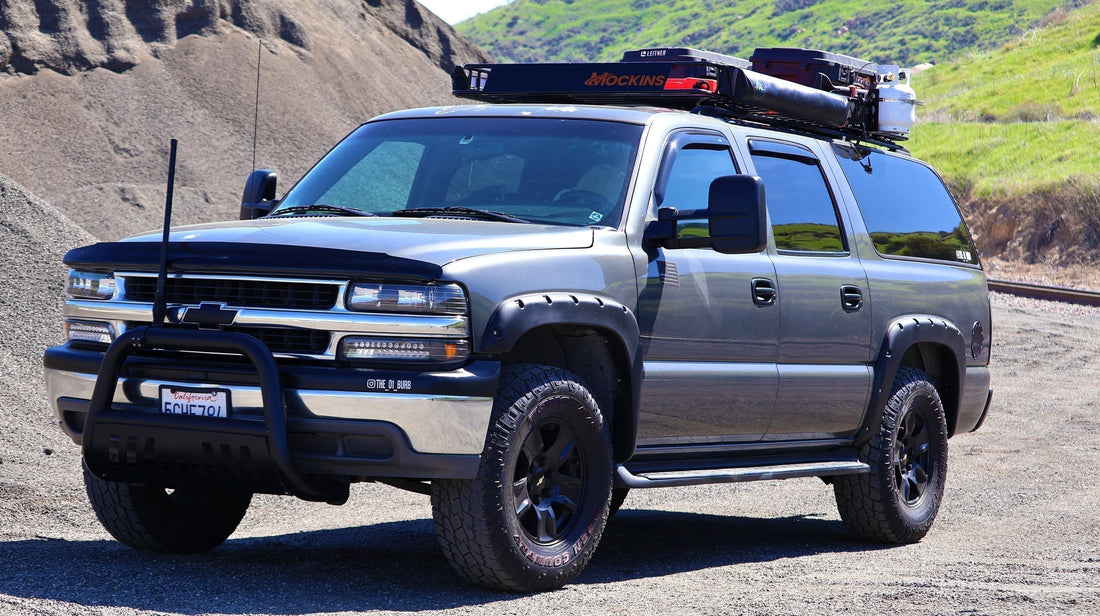
Credit: mockins.com
Choosing The Right Roof Rack
Installing a roof rack can add extra storage space to your car. Choosing the right one is important for safety and convenience.
This guide covers types of roof racks, car compatibility, and weight capacity with materials.
Types Of Roof Racks
There are several roof rack types. Each type fits different needs and vehicles.
- Raised Rail Racks:Attach to raised rails running along your car’s roof.
- Flush Rail Racks:Fit rails that are flush with the roof surface.
- Fixed Point Racks:Use built-in mounting points on the roof.
- Track Systems:Include tracks where crossbars slide to adjust position.
- Clamp-On Racks:Clamp around door frames without rails or mounting points.
Compatibility With Your Car
Not all roof racks fit every car. Check your car’s roof type first.
| Car Roof Type | Roof Rack Type | Notes |
| Raised Rails | Raised Rail Racks | Easy to install, secure fit |
| Flush Rails | Flush Rail Racks | Low profile, sleek look |
| No Rails, Fixed Points | Fixed Point Racks | Use factory mounting points |
| No Rails, No Points | Clamp-On Racks | Fits most cars, less permanent |
| Universal Fit | Track Systems | Adjustable and versatile |
Weight Capacity And Materials
Choose a roof rack that matches your load needs. Weight limits vary by rack and car roof.
- Aluminum Racks:Lightweight and rust-resistant.
- Steel Racks:Strong and durable but heavier.
- Plastic Components:Used in parts for weather resistance.
- Check Load Limits:Follow rack and car roof weight capacity.
Gathering Necessary Tools
Installing a roof rack on your car needs the right tools. These tools help you work safely and correctly.
Before starting, gather all the tools and safety gear you will need. This keeps the work smooth and quick.
Basic Tools Checklist
- Socket wrench set
- Screwdrivers (flathead and Phillips)
- Measuring tape
- Rubber mallet
- Allen keys
- Adjustable wrench
- Torque wrench
Having these tools ready helps you fit the roof rack parts tightly and safely. Check each tool for damage before use.
Safety Equipment
| Equipment | Purpose |
|---|---|
| Safety gloves | Protect hands from sharp edges and rough parts |
| Safety glasses | Shield eyes from dust and debris |
| Non-slip shoes | Prevent slipping while working on the car |
| Protective clothing | Keep your skin safe from scratches and dirt |
Always wear safety gear to avoid injuries. Working carefully keeps your roof rack installation trouble-free.
Preparing Your Car
Installing a roof rack needs careful preparation. It helps keep the rack secure and protects your car.
Start by making sure the roof is clean and the rails are ready. These steps make installation easier.
Cleaning The Roof Surface
Clean the car roof before installing the rack. Dirt and dust can stop the rack from fitting well.
Use soap and water to wash the roof. Dry it with a soft cloth to avoid scratches.
- Remove leaves, dust, and dirt
- Use mild soap and clean water
- Dry completely before installation
Checking Roof Rails And Mount Points
Look at your car’s roof rails and mount points. They must be strong and ready to hold the rack.
Check for any damage or loose parts. Tighten screws and fix problems before you start.
- Inspect rails for cracks or bends
- Ensure mount points are clean and clear
- Tighten any loose screws or bolts
- Replace damaged parts if needed

Credit: www.youtube.com
Step-by-step Installation
Installing a roof rack on your car helps carry extra gear. Follow simple steps to fit it safely and correctly.
Use this guide to place the rack, secure the mounts, and tighten all parts. This keeps your items safe during travel.
Positioning The Rack
Start by placing the roof rack on your car’s roof. Make sure it fits the shape and size of your car.
Check that the rack is centered and balanced. This helps avoid noise and damage while driving.
- Place the rack evenly from front to back
- Keep equal distance from both sides of the car
- Avoid blocking sunroofs or antennas
Securing The Mounts
Attach the mounts to the car roof or door frames. Use the clamps or screws that come with your roof rack.
Make sure mounts grip tightly without damaging the car’s surface. Check all mounts before moving on.
- Place each mount at the marked positions
- Use protective pads if included
- Tighten mounts by hand first
- Double-check that mounts do not slip
Tightening And Adjusting
Use a wrench or screwdriver to tighten all bolts and screws. Make sure the rack is firm and stable.
Adjust the rack if needed to make it level. Test the rack by shaking it gently to check for movement.
- Tighten all fasteners evenly
- Check for any loose parts
- Adjust the rack position if it tilts
- Confirm mounts are secure after tightening
Testing Stability And Safety
After installing a roof rack on your car, it is important to check its stability. This ensures your safety during travel.
Testing helps avoid accidents caused by loose or unstable racks. Always perform these checks before use.
Load Testing
Load testing means checking if the roof rack holds weight well. Start by adding small loads and increase gradually.
Make sure the rack does not move or bend under the weight. Secure all straps and attachments tightly.
- Place weight evenly on the rack
- Check for any shaking or wobbling
- Look for loose bolts or fittings
- Make sure weight does not exceed the limit
- Tighten all clamps and screws again
Road Test Tips
Drive your car slowly at first to test the roof rack on the road. Listen for noises or signs of movement.
Check how the rack affects your car’s handling and braking. Stop and inspect the rack after the test drive.
- Start with low speeds on smooth roads
- Listen for rattling or unusual sounds
- Check stability after driving
- Ensure the rack stays firmly attached
- Avoid sudden turns or sharp stops during testing
Maintaining Your Roof Rack
Proper maintenance of your roof rack ensures its longevity and safety. Follow these simple steps to keep it in top condition.
Regular checks and cleaning can prevent damage and ensure a secure load on your car’s roof.
Regular Inspections
Inspect your roof rack regularly to catch any issues early. Look for loose bolts or any signs of wear and tear.
- Check all bolts and screws for tightness
- Inspect the crossbars for any dents or damage
- Look for rust or corrosion on metal parts
- Ensure the locks and clamps are functioning well
Cleaning And Care
Regular cleaning prevents dirt buildup and keeps your roof rack looking new. Use mild soap and water for cleaning.
After washing, dry the rack thoroughly to prevent rust. Store in a dry place when not in use.
Maximizing Cargo Space
Installing a roof rack on your car can greatly increase the amount of cargo you can carry. It makes travel easier and more organized.
With the right accessories and packing methods, you can optimize the space available on your roof rack. Let’s explore how to make the most of this added storage.
Choosing Cargo Accessories
The right accessories can help secure your cargo and protect your car. Consider these options to enhance your roof rack’s functionality.
- Roof box: Provides weather protection and security.
- Bike racks: Perfect for transporting bicycles.
- Kayak carriers: Ideal for water sports enthusiasts.
- Cargo baskets: Great for odd-shaped items.
Packing Tips For Stability
Packing correctly can ensure stability and safety while driving. Follow these tips to secure your items effectively.
- Distribute weight evenly to prevent tilting.
- Use straps to hold items tightly in place.
- Place heavier items at the bottom.
- Check the load limit of your roof rack.
By following these guidelines, you can maximize your cargo space while ensuring a safe journey.

Credit: www.youtube.com
Frequently Asked Questions
How Do I Install A Roof Rack On My Car?
First, select a compatible roof rack for your car model. Clean the roof surface, then align the rack properly. Secure it using provided clamps or bolts. Tighten all fasteners firmly. Check stability before use to ensure safety and performance.
What Tools Are Needed To Install A Roof Rack?
You typically need a wrench, screwdriver, measuring tape, and possibly an Allen key. Some roof racks come with specialized tools. Always check the manufacturer’s instructions for specific tool requirements before starting installation.
Can I Install A Roof Rack Myself Safely?
Yes, if you follow the instructions carefully. Ensure you have the right tools and a compatible roof rack. Take your time to align and secure all parts. If unsure, consult a professional to avoid damage or injury.
Will A Roof Rack Affect My Car’s Fuel Efficiency?
Yes, roof racks can increase wind resistance. This may reduce fuel efficiency by around 5-15%. The impact varies by speed and rack design. Removing the rack when not in use can help save fuel.
Conclusion
Installing a roof rack on your car adds useful space for trips. It helps carry bikes, luggage, or gear safely. Follow the instructions carefully for a secure fit. Double-check all parts before driving to avoid problems. A well-installed roof rack makes travel easier and more fun.
Take your time and enjoy the extra room on your next journey. Safe travels and happy adventures!







