
Have you ever run out of car window washer fluid right when you need it most? Imagine driving with a dirty windshield, struggling to see clearly and feeling unsafe.
What if you could make your own washer fluid at home, quickly and cheaply, using simple ingredients you probably already have? You’ll discover easy, effective recipes that keep your windshield spotless and your drive safe—without spending extra money or relying on store-bought products.
Keep reading to learn how to take control of your car’s cleanliness and save time and money along the way.

Credit: m.youtube.com
Benefits Of Homemade Washer Fluid
Making your own car window washer fluid is simple and useful. You can save money and choose safe ingredients.
Homemade washer fluid works well to clean your windshield. You control what goes into it for better results.
Cost Savings Compared To Store-bought
Store-bought washer fluid can be expensive. Homemade versions use common household items that cost less.
You can make large amounts at a low price. This means fewer trips to the store and less spending.
Eco-friendly Ingredients
Many store fluids have harsh chemicals. Homemade fluid uses natural or gentle ingredients that harm the environment less.
Using eco-friendly ingredients helps protect water and soil. It also reduces plastic waste from store containers.
- Water
- Vinegar
- Liquid soap
- Rubbing alcohol
Customizable Formulas
You can change the recipe to fit your needs. Add more cleaning power or make it safe for winter weather.
Adjust the mix for different seasons or dirt levels. Homemade fluid lets you try new combinations easily.
- Add more vinegar for tough stains
- Include rubbing alcohol to prevent freezing
- Use gentle soap for sensitive surfaces

Credit: www.youtube.com
Essential Ingredients
Making homemade car window washer fluid is simple and cost-effective. Using the right ingredients helps clean your windshield clearly and safely.
This guide covers the basic ingredients you need to create effective washer fluid at home.
Distilled Water
Distilled water is the best base for washer fluid. It has no minerals or impurities that can clog your washer system or leave spots.
Rubbing Alcohol
Rubbing alcohol helps the fluid dry quickly and prevents freezing in cold weather. It also cleans grime and bugs from your windshield effectively.
- Use 70% isopropyl alcohol for safety and effectiveness.
- Adjust the amount based on weather conditions.
- Too much alcohol can damage car paint or rubber parts.
Dish Soap
A small amount of dish soap helps break down dirt and grease on the glass. Use a gentle, clear soap without added moisturizers or harsh chemicals.
Optional Additives
| Additive | Purpose |
| Glycerin | Prevents freezing and keeps rubber parts soft |
| Ammonia | Improves cleaning power but use sparingly |
| Essential Oils | Adds fragrance, but optional |
Step-by-step Preparation
Making homemade car window washer fluid is easy and cost-effective. You can prepare it with simple ingredients found at home.
This guide will help you mix the fluid safely and store it properly for future use.
Mixing The Ingredients
Gather water, rubbing alcohol, and liquid dish soap to make your washer fluid. Use clean water to avoid dirt in the fluid.
Mix the ingredients carefully to get a clear solution that cleans well and does not freeze.
- Pour 3 cups of water into a clean container
- Add 1 cup of rubbing alcohol for freeze protection
- Mix in 1 teaspoon of liquid dish soap
- Stir the mixture gently to combine
Storage Tips
Store your homemade washer fluid in a sealed container. Use a clean bottle with a tight lid to prevent spills and contamination.
Keep the container in a cool, dry place away from direct sunlight and heat sources. Label the container clearly to avoid confusion.
- Use a plastic or glass bottle with a secure lid
- Keep the fluid out of reach of children and pets
- Do not store near flames or hot surfaces
- Label the bottle with the contents and date made
Safety Precautions
Handle all ingredients with care. Rubbing alcohol is flammable and can irritate the skin.
Wear gloves while mixing and avoid contact with eyes. Keep the fluid out of reach of children and pets at all times.
- Wear gloves to protect your skin
- Avoid inhaling fumes from rubbing alcohol
- Do not drink or ingest the fluid
- Rinse skin or eyes immediately if contact occurs
- Store in a safe place away from children
Adjusting For Weather Conditions
Making homemade car window washer fluid is simple. You can change the mix to fit the weather outside.
Using the right formula helps keep your windshield clean and safe in all seasons.
Winter-friendly Formulas
In winter, you need a washer fluid that won’t freeze. Adding alcohol or antifreeze helps.
These ingredients stop the fluid from turning to ice on cold days.
- Use 1 part rubbing alcohol with 3 parts water
- Add a small amount of dish soap for cleaning
- Include a few drops of antifreeze if temperatures are very low
- Test the mix before filling the reservoir to ensure it won’t freeze
Summer Variations
In summer, the fluid needs to clean bugs and dust well. You don’t need antifreeze then.
Focus on using soap and water with a bit of vinegar to cut grime and spots.
- Mix 4 parts water with 1 part white vinegar
- Add a few drops of mild dish soap for extra cleaning power
- Avoid alcohol in summer to reduce strong smells
- Keep the mix fresh by making small batches often
Common Mistakes To Avoid
Making your own car window washer fluid can save money and let you control ingredients. But some mistakes can reduce its effectiveness or harm your car.
Learn what to avoid to keep your homemade fluid working well and safe for your vehicle.
Using Tap Water
Using tap water can cause problems because it often contains minerals and impurities. These can leave spots on your windshield or clog your washer system.
- Use distilled or filtered water to prevent mineral buildup.
- Avoid hard water that leaves white spots after drying.
- Tap water may freeze in cold weather, reducing fluid use.
Overusing Soap
Adding too much soap can cause streaks and leave residue on your glass. It may also damage the car’s paint or rubber seals.
| Soap Amount | Effect |
| Too Little | Not clean enough |
| Just Right | Good cleaning without residue |
| Too Much | Streaks and residue build-up |
Incorrect Storage
Storing homemade fluid improperly can reduce its life and effectiveness. Keep it away from heat and sunlight.
Tips for storing your fluid:
- Use a clean, sealed container.
- Store in a cool, dark place.
- Label the container with the date made.
- Shake before use if ingredients separate.
Testing And Maintenance
Making your own car window washer fluid is cost-effective. Regular testing and maintenance ensure it works well.
Learn how to check if your homemade fluid is effective. Know when to replace it for optimal performance.
Checking Fluid Effectiveness
Test your homemade fluid regularly to ensure it cleans well. This helps maintain clear visibility while driving.
- Spray the fluid on a small section of the windshield.
- Observe if it removes dirt and grime effectively.
- Check for streaks or residue left behind.
When To Replace Homemade Fluid
Replacing your fluid at the right time prevents windshield issues. Monitor its condition for safety.
| Signs | Action |
| Strange odor | Replace immediately |
| Thick or cloudy appearance | Prepare a fresh batch |
| Ineffective cleaning | Make a new solution |
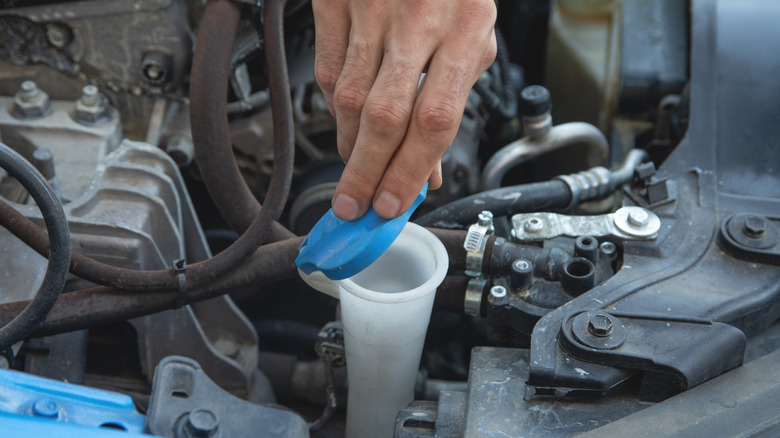
Credit: www.slashgear.com
Frequently Asked Questions
What Ingredients Make Effective Homemade Washer Fluid?
Effective homemade washer fluid typically includes water, rubbing alcohol, and dish soap. These ingredients clean windows and prevent freezing in cold weather. Adding vinegar or ammonia can boost cleaning power but should be used cautiously to avoid damage.
How Do I Store Homemade Car Window Washer Fluid?
Store homemade washer fluid in a sealed, labeled container away from sunlight. Keep it in a cool, dry place to maintain its effectiveness. Avoid using food containers to prevent accidental ingestion.
Can Homemade Washer Fluid Prevent Freezing In Winter?
Yes, adding rubbing alcohol or antifreeze agents to homemade fluid lowers freezing point. This helps keep your washer fluid from freezing in cold temperatures. Adjust ingredient ratios based on your local climate for best results.
Is Homemade Washer Fluid Safe For All Car Windows?
Homemade washer fluid is generally safe for most car windows. Avoid harsh chemicals like bleach that can damage glass or paint. Test a small area first to ensure compatibility with your vehicle.
Conclusion
Making your own car window washer fluid saves money and time. It uses common ingredients that clean well and protect your car. You control what goes into the mixture, avoiding harsh chemicals. This simple step keeps your windshield clear and safe during drives.
Try the homemade recipe and enjoy a cleaner view on the road. Easy to make, easy to use—your car will thank you. Simple care helps your car stay in good shape longer. Why not give it a try today?







