
Have you ever wondered how radar detectors work and if they could really help you on the road? If you’re curious about what a radar detector does and whether it’s worth having in your car, you’re in the right place.
This article will break down exactly how these devices work, what they detect, and how they could give you an edge while driving. Keep reading, and you’ll discover everything you need to know to make a smart choice for your safety and peace of mind.
How Radar Detectors Work
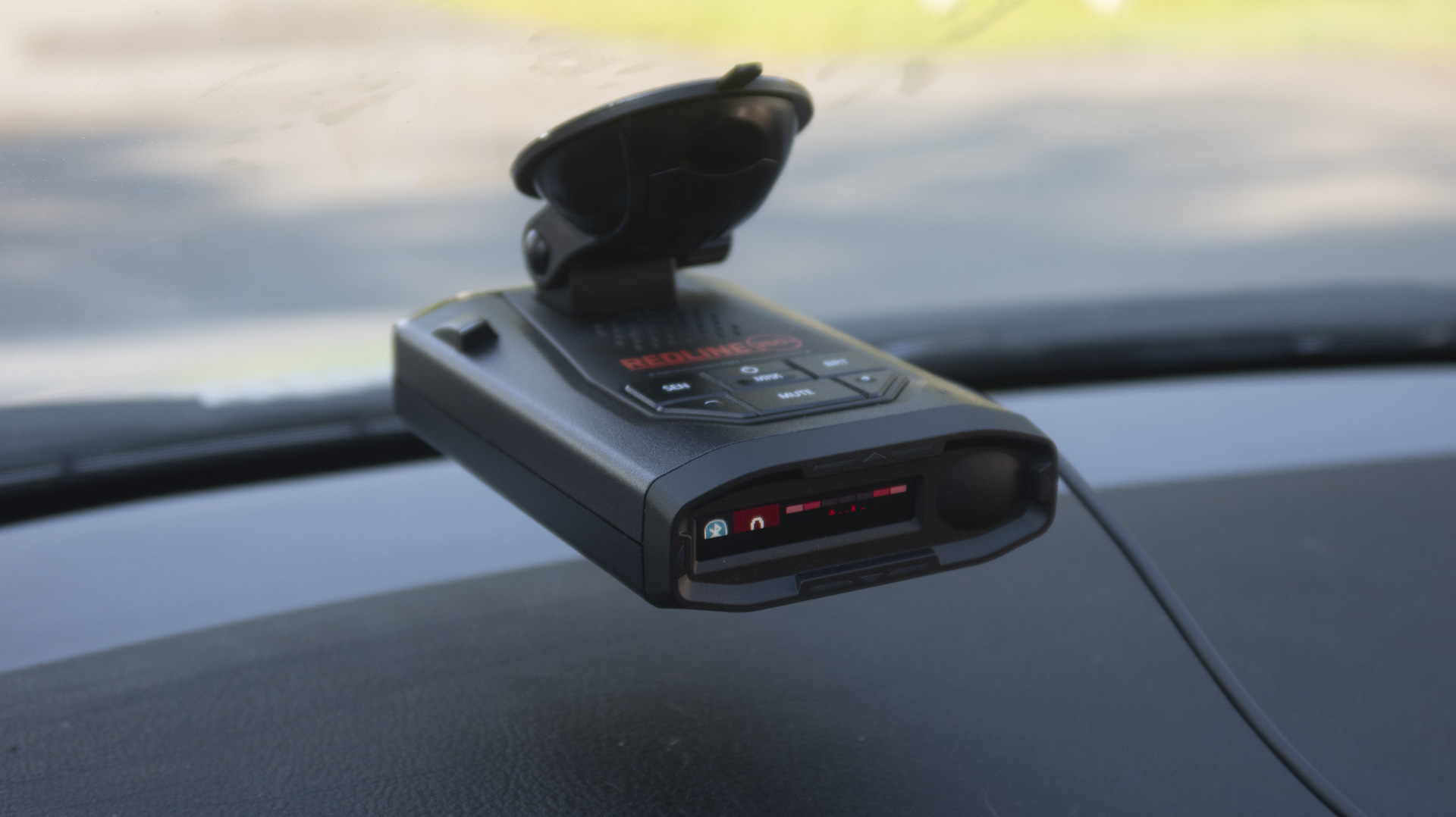
A radar detector is a device that warns drivers about police radar guns. It helps drivers know when their speed is being monitored.
Radar detectors work by sensing radar signals sent by police radar guns. They alert the driver to slow down and avoid speeding tickets.
Detecting Radar Signals
Radar detectors scan for radio waves used by police radar guns. These waves are in specific frequency ranges. When the detector finds these waves, it alerts the driver.
The detector uses an antenna to pick up the radar signals. It then processes the signals to check if they are from a police radar. If yes, it sends a warning sound or light.
Types Of Radar Detection Technology
Radar detectors use different technologies to find radar signals. Some are basic and others are more advanced. Each type has strengths and limits.
- Superheterodyne Receivers:Convert radar signals to lower frequencies to detect them easily.
- Digital Signal Processors (DSP):Analyze signals using software for better accuracy.
- Laser Detection:Detects laser speed guns by sensing light pulses.
- False Alert Filtering:Uses technology to reduce false alarms from automatic doors or other sources.
Credit: www.thedrive.com
Key Features Of Radar Detectors
Radar detectors help drivers by warning them about police radar signals. They improve awareness on the road. Understanding key features helps you choose the right device.
These devices vary in how far and how well they detect signals. They also differ in their alert styles and how they reduce false alarms.
Signal Range And Sensitivity
Signal range shows how far the detector can sense radar waves. Sensitivity means how well it picks up weak or strong signals. Good range and sensitivity give drivers more time to react.
| Feature | Description |
| Long Range | Detects radar signals from far away |
| High Sensitivity | Picks up weak or distant radar waves |
| Adjustable Sensitivity | Allows user to set detection level |
Alert Systems And Notifications
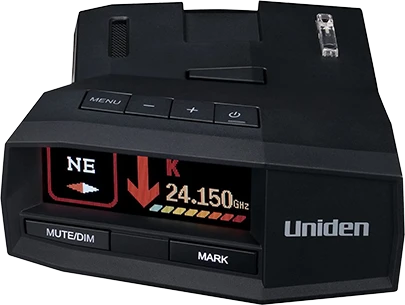
Radar detectors use different alerts to notify drivers. Alerts include sounds, lights, or screen messages. Clear alerts help drivers notice radar signals quickly.
- Audible tones or beeps
- Visual lights or icons
- On-screen text or graphics
- Vibration alerts in some models
False Alert Filtering
False alerts come from non-police radar sources. Good detectors filter out these signals to avoid distractions. This feature improves driving focus and device reliability.
Common False Alert Sources:
- Automatic door openers
- Traffic flow sensors
- Other vehicles’ radar
- Airport radar signals
Benefits Beyond Speeding Alerts
Radar detectors do more than warn about speed traps. They help drivers stay alert and safe. Using one can improve your overall driving experience.
These devices offer features that support better awareness, safety, and comfort on the road. Let’s explore how they do this.
Enhancing Driver Awareness
Radar detectors alert drivers to various signals around them. This helps drivers notice changes they might miss otherwise.
- Detects speed cameras and police radar
- Warns about red light cameras
- Alerts to nearby emergency vehicles
- Signals sudden speed changes ahead
Improving Road Safety
These devices help drivers prepare for hazards early. This reduces accidents and unsafe situations on the road.
| Safety Benefit | Description |
| Early Hazard Detection | Drivers get more time to react to dangers |
| Speed Awareness | Encourages safer speeds in monitored areas |
| Better Focus | Keeps drivers alert to their surroundings |
| Emergency Alerts | Warns of emergency vehicles nearby |
Reducing Stress On The Road
Radar detectors ease anxiety by giving drivers useful information. This helps them drive with confidence and less worry.
Ways radar detectors reduce stress:
- Lower fear of unexpected tickets
- Help avoid sudden braking
- Provide real-time alerts for safer driving
- Improve overall driving calmness
Legal Considerations And Restrictions
Radar detectors are devices used to detect speed monitoring by law enforcement. Knowing the laws about radar detectors is important before using one.
Different places have different rules. Some allow radar detectors, while others ban or restrict them.
Where Radar Detectors Are Allowed
Radar detectors are legal in many states in the United States. Drivers can use them to avoid speeding tickets.
- Most states allow radar detectors in private vehicles
- They are usually allowed in passenger cars
- Some states allow them with restrictions on use or placement
- Radar detectors are legal in Canada except in Quebec
Potential Legal Risks
Using radar detectors where they are banned can lead to fines and penalties. Police may also seize the device.
Commercial vehicles often have stricter rules. Radar detectors may be illegal for trucks or buses.
- Illegal use can cause fines or ticket charges
- Radar detectors may be seized by law enforcement
- Using one in commercial vehicles is often prohibited
- Some states ban radar detectors on all vehicles
Choosing The Right Radar Detector
Radar detectors help drivers notice speed monitoring devices. They alert you to radar signals from police. Choosing the right one can save you from speeding tickets.
Not all radar detectors work the same. Some have better range or features. It is important to pick one that fits your needs and budget.
Factors To Consider
Look for features that match your driving habits. Consider how often you drive and where. Some detectors are better for city driving, others for highways.
- Detection Range: Longer range gives more warning time.
- False Alerts: Choose detectors with good filtering to avoid false alarms.
- Display Type: Easy-to-read displays improve safety while driving.
- GPS Integration: Helps block alerts in areas without speed traps.
- Price: Balance features with your budget.
Top Models In The Market
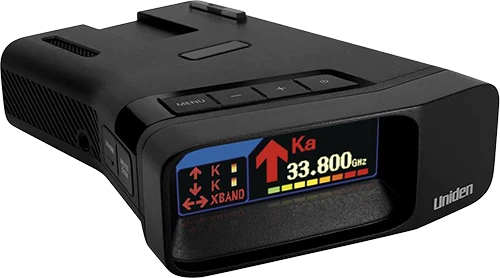
| Model | Detection Range | False Alert Filtering | Price |
|---|---|---|---|
| RadarMax Pro | Long | High | $$$ |
| SpeedGuard X | Medium | Medium | $$ |
| AlertMaster Lite | Short | Low | $ |
Credit: www.vortexradar.com
Installation And Maintenance Tips
Radar detectors help drivers avoid speeding tickets. Installing and maintaining them correctly ensures they work well.
Proper setup and care are crucial for optimal performance. Follow these tips to keep your radar detector in top shape.
Proper Placement For Best Performance
Positioning your radar detector correctly is essential. Place it where it can easily detect signals.
Mount it high on the windshield for a clear view. Avoid placing it behind metal objects or tinted glass.
- Keep it level for accurate detection
- Ensure it has a direct line of sight
- Avoid obstructing the sensors
Routine Care And Updates
Regular maintenance keeps your radar detector working efficiently. Clean it to remove dust and debris.
Update its software to ensure it detects the latest radar signals. Regular updates improve its accuracy.
- Use a soft cloth for cleaning
- Check for software updates monthly
- Inspect the power cord for wear
Credit: www.vortexradar.com
Frequently Asked Questions
What Is The Primary Function Of A Radar Detector?
A radar detector alerts drivers to nearby police radar signals. It helps avoid speeding tickets by warning about speed monitoring devices. The device detects radar waves and notifies the driver through visual or audio signals.
How Does A Radar Detector Work In A Car?
Radar detectors scan for radar signals emitted by police speed guns. They identify specific frequencies and alert the driver instantly. This gives drivers time to adjust their speed and avoid fines.
Are Radar Detectors Legal To Use Everywhere?
Radar detector legality varies by location. Some states or countries ban their use, while others allow them in private vehicles. It’s essential to check local laws before using one to avoid penalties.
Can Radar Detectors Detect All Types Of Speed Enforcement?
Radar detectors primarily detect traditional radar guns. They may not detect laser speed guns or other advanced technologies. Some models include laser detection, but effectiveness varies with the device and enforcement type.
Conclusion
A radar detector helps drivers know about speed traps ahead. It warns you when police use radar guns nearby. This tool can reduce the chance of speeding tickets. Yet, it does not make speeding safe or legal. Always drive carefully and follow speed limits.
Understanding how a radar detector works keeps you informed. It supports safer driving habits on the road. Use it wisely and stay alert at all times. Your safety matters most, no matter the device.







