
Have you noticed those annoying paint scratches on your car and wondered how to fix them quickly? Scratches can make your car look old and worn out, even if it’s still in great shape.
The good news is, you don’t need to be a pro or spend a fortune to restore your car’s shine. You’ll discover simple, effective steps to repair those scratches yourself. Keep reading to learn how to bring back your car’s smooth, flawless finish—and protect your investment at the same time.
Credit: www.amazon.ca
Identify Scratch Types
Before fixing paint scratches on your car, you must know the type of scratch. Different scratches need different repairs. This guide helps you spot the scratch type clearly.
Knowing the scratch type saves time and effort. It also helps you choose the right tools and methods for repair.
Surface Scratches
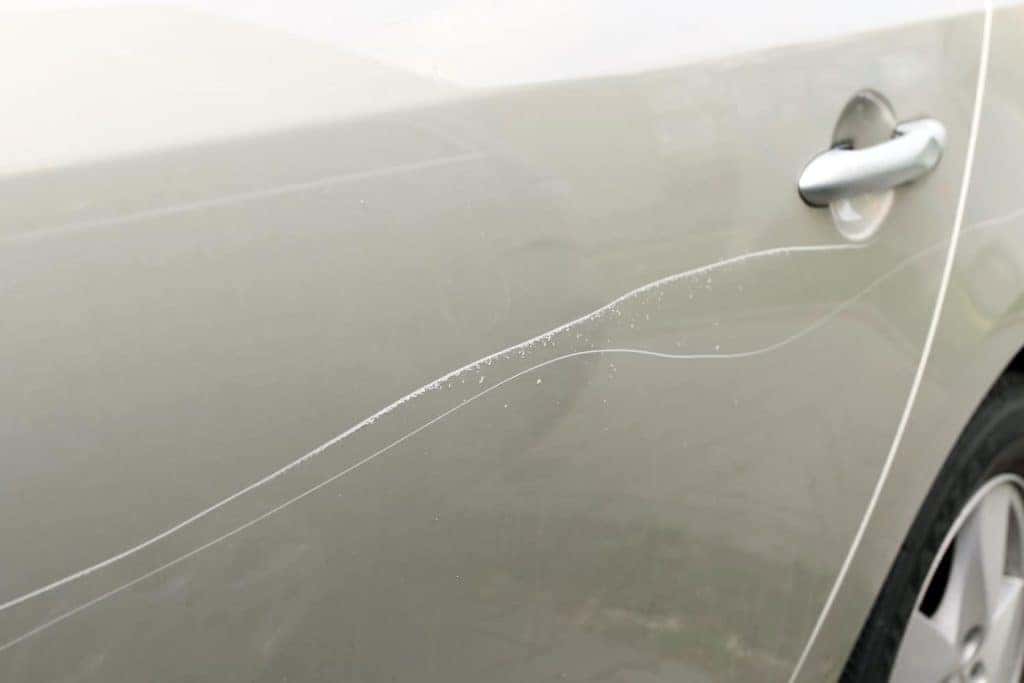
Surface scratches are light marks on the clear coat of your car’s paint. They do not reach the color layer. These scratches often feel smooth when you run your finger over them.
- Only affect the top clear coat layer
- Usually caused by dust, dirt, or light rubbing
- Can often be fixed with polishing or rubbing compounds
- Do not expose the metal underneath
Deeper Scratches
Deeper scratches go through the clear coat and into the paint layer. You can see the color of the primer or base coat. These scratches feel rough or jagged to touch.
These scratches need more repair work. You might have to use touch-up paint or sanding to fix them.
Clear Coat Damage
Clear coat damage happens when the protective layer peels or chips away. This damage leaves the paint exposed and vulnerable to rust.
| Damage Type | Signs | Repair Needed |
| Peeling | Flaking clear coat, rough texture | Reapply clear coat or repaint |
| Chipping | Small missing spots, exposed paint | Touch-up and seal |
| Fading | Dull, cloudy surface | Polish or clear coat renewal |
Credit: www.toyotaofnorthcharlotte.com
Gather Necessary Tools
Fixing paint scratches on your car needs the right tools. Getting these tools ready saves time and effort.
Each tool has a special role in making your car look smooth and shiny again.
Scratch Repair Kits
Scratch repair kits include several items to fix small paint scratches. They often have touch-up paint, clear coat, and instructions.
- Check the kit matches your car’s paint color.
- Make sure it includes sandpaper or a scratch remover.
- Read instructions carefully before starting.
Polishing Compounds
Polishing compounds help smooth out scratches and restore shine. They remove tiny paint marks and blend the surface.
| Type | Use |
| Rubbing Compound | For deep scratches and rough surfaces |
| Polishing Compound | For light scratches and to add shine |
| Finishing Polish | To smooth and protect the paint |
Microfiber Cloths
Microfiber cloths clean and polish without scratching the paint. They pick up dust and polish evenly.
- Use separate cloths for cleaning and polishing.
- Choose soft and clean cloths to avoid more scratches.
- Wash cloths after use to keep them effective.
Clean The Affected Area
Cleaning the scratched part of your car is important before fixing the paint. Dirt and grime can stop the repair from working well.
Take your time to wash and remove any debris. This helps you see the scratch clearly and prepares the surface for repair.
Wash And Dry
Use a mild car soap and water to wash the scratched area gently. Avoid strong chemicals that might damage the paint further.
- Rinse the area with clean water first.
- Apply car soap with a soft sponge.
- Rinse off the soap completely.
- Dry the area using a clean microfiber cloth.
Remove Dirt And Debris
After washing, check for small dirt or dust in the scratch. These particles can block the paint from sticking properly.
| Tool | Use |
|---|---|
| Soft Brush | Remove loose dirt gently |
| Compressed Air | Blow out dust from scratch |
| Microfiber Cloth | Wipe away remaining debris |

Credit: www.amazon.ca
Fix Minor Scratches
Minor scratches on your car’s paint can make it look old and worn. You do not need to visit a shop to fix small scratches. Some simple tools and products can help you restore your car’s shine.
This guide shows easy methods to fix minor paint scratches. Follow these steps carefully for the best results.
Use Toothpaste Or Scratch Remover
Toothpaste can act like a mild abrasive to remove light scratches. Scratch removers are made specifically for car paint and work well on small damage.
- Clean the scratched area with water and dry it.
- Apply a small amount of toothpaste or scratch remover to a soft cloth.
- Rub the product gently on the scratch in a circular motion.
- Keep rubbing for about 30 seconds to a minute.
- Wipe off the residue with a clean cloth and check the scratch.
Apply Polishing Compound
Polishing compound helps smooth the paint surface and blend scratches. It removes tiny layers of paint to make the scratch less visible.
| Material | Purpose |
| Polishing Compound | Removes surface imperfections |
| Soft Cloth or Applicator Pad | Evenly applies the compound |
| Water | Cleans surface before polishing |
Buff With Microfiber Cloth
Buffing removes excess compound and restores shine. A microfiber cloth is soft and will not harm the paint.
Follow these tips to buff effectively:
- Use a clean, dry microfiber cloth.
- Rub the scratched area in small circular motions.
- Apply light pressure to avoid new scratches.
- Keep buffing until the surface shines evenly.
Repair Deeper Scratches
Deeper scratches on your car need more care than light scratches. These scratches reach the metal or primer layer.
Fixing them properly helps stop rust and keeps your car looking good. Follow these steps to repair deeper scratches.
Sand The Scratch Smooth
Use fine sandpaper to smooth the edges of the scratch. This removes rough spots and prepares the surface.
- Start with 1500 grit sandpaper
- Sanded in light, circular motions
- Keep the area wet while sanding
- Stop when the scratch edges feel smooth
Apply Primer And Paint
Primer helps the paint stick and protects the metal from rust. After sanding, apply a thin layer of primer.
| Material | Purpose | Tips |
| Primer | Protect metal and help paint stick | Apply thin, even coats |
| Touch-up paint | Restore car color | Match paint code exactly |
Once the primer dries, apply touch-up paint. Use a small brush or pen for precise application.
Use Clear Coat For Protection
Clear coat seals the paint and adds shine. It also protects the repair from weather damage.
- Apply a thin layer of clear coat over the painted area
- Let it dry completely
- Lightly sand with very fine sandpaper if needed
- Polish the area to blend with the rest of the car
Dry And Cure The Repair
After fixing paint scratches on your car, it’s crucial to let the paint dry properly. This step ensures a smooth finish and long-lasting repair.
Proper drying and curing prevent issues like peeling or bubbling. Follow the steps below to achieve the best results.
Allow Paint To Dry
Let the paint dry for at least 24 hours. This gives the paint time to settle and harden. Avoid touching or disturbing the surface during this time.
Ensure the car is parked in a well-ventilated area. Good airflow helps the paint dry evenly and faster.
- Check the weather forecast for dry conditions
- Use a fan to improve air circulation
- Avoid humid environments
Avoid Exposure To Elements
Keep the car protected from direct sunlight, rain, and dust. These elements can affect the paint’s curing process.
Consider using a car cover or parking in a garage. This shields the car from harsh weather and contaminants.
- Park under a shaded area
- Cover the car with a breathable cover
- Avoid washing the car for a week
Polish And Wax For Finish
Polishing and waxing your car can help hide scratches. They also make your car look shiny and new. It’s an easy way to care for your car’s paint.
Polish helps to remove small scratches. Wax adds a protective layer to the car’s surface. Together, they keep your car looking great.
Restore Shine
Polishing your car helps restore its shine. Use a soft cloth to apply the polish. Move the cloth in small circles over the scratch.
Once the scratch fades, wipe off the polish. Your car will look glossy and smooth. A shiny car is a happy car.
Protect The Surface
Waxing your car protects its paint. It acts as a shield against dirt and sun. Apply wax using a clean cloth in a circular motion.
Let the wax dry, then buff it out. This makes the surface smooth and shiny. Your car will be protected and look great.
- Polish to remove scratches
- Wax to protect paint
- Regular care keeps cars shiny
Prevent Future Scratches
Fixing paint scratches on your car is important. Preventing new scratches keeps your car looking nice longer.
Taking simple steps can protect your car’s paint and reduce damage from daily use.
Use Car Covers
Car covers protect your car from dust, dirt, and small scratches. They work well when your car is parked outside.
Choose a cover that fits your car well. Soft materials prevent scratches while covering the whole car.
- Use covers in parking lots or at home
- Pick covers made of breathable fabric
- Clean the car before covering it
Practice Safe Parking
Park in spots away from other cars and tight spaces. This lowers the chance of door dings and scratches.
Avoid parking near shopping carts, bikes, or areas with heavy foot traffic to keep your car safe.
- Choose end spots or spots away from busy areas
- Look for covered parking to avoid weather damage
- Be careful when opening your car doors
Regular Maintenance
Wash your car often to remove dirt that can cause scratches. Use soft cloths and gentle soap.
Wax your car regularly. Wax adds a protective layer that helps keep the paint safe.
- Wash with clean water and soft sponges
- Use car wax every 3 to 4 months
- Inspect your car for small scratches and fix them early
Frequently Asked Questions
What Is The Best Way To Fix Car Paint Scratches?
The best way to fix car paint scratches is to clean the area, use a scratch remover or touch-up paint, and polish it. For deep scratches, sanding and repainting may be necessary. Always choose products matching your car’s paint color for the best results.
Can I Fix Car Paint Scratches Myself?
Yes, you can fix minor car paint scratches yourself using scratch repair kits or touch-up paint. Clean the scratch, apply the product carefully, and allow it to dry. For deep or extensive damage, professional help is recommended to avoid worsening the scratch.
How Do I Prevent Paint Scratches On My Car?
Prevent paint scratches by parking carefully, avoiding tight spaces, and washing your car regularly. Use a quality wax or sealant to protect the paint surface. Avoid automatic car washes with harsh brushes that can cause scratches over time.
What Tools Are Needed To Repair Car Paint Scratches?
You’ll need clean microfiber cloths, scratch remover or touch-up paint, fine sandpaper, and polishing compound. For deep scratches, primer and paint matching your car color are essential. Having the right tools ensures a smooth, professional-looking repair.
Conclusion
Fixing paint scratches on your car is easier than you think. Small scratches can be repaired at home with simple tools. Act quickly to prevent rust and damage. Keep your car looking clean and fresh by regular care. A little effort goes a long way in maintaining your car’s value.
Remember, patience and careful steps bring the best results. Your car will thank you with a smooth, shiny finish. Try these tips and enjoy a scratch-free ride.







