
Your leather car seats say a lot about your ride. They add style and comfort, but keeping them clean can be tricky.
If you’re tired of seeing stains, dirt, or wear dull your seats, you’re in the right place. Imagine sliding into a spotless, fresh-smelling car every time you drive. Sounds good, right? You’ll discover the best way to clean leather car seats—simple steps that protect and restore their natural shine.
Ready to make your car’s interior look brand new? Let’s get started!
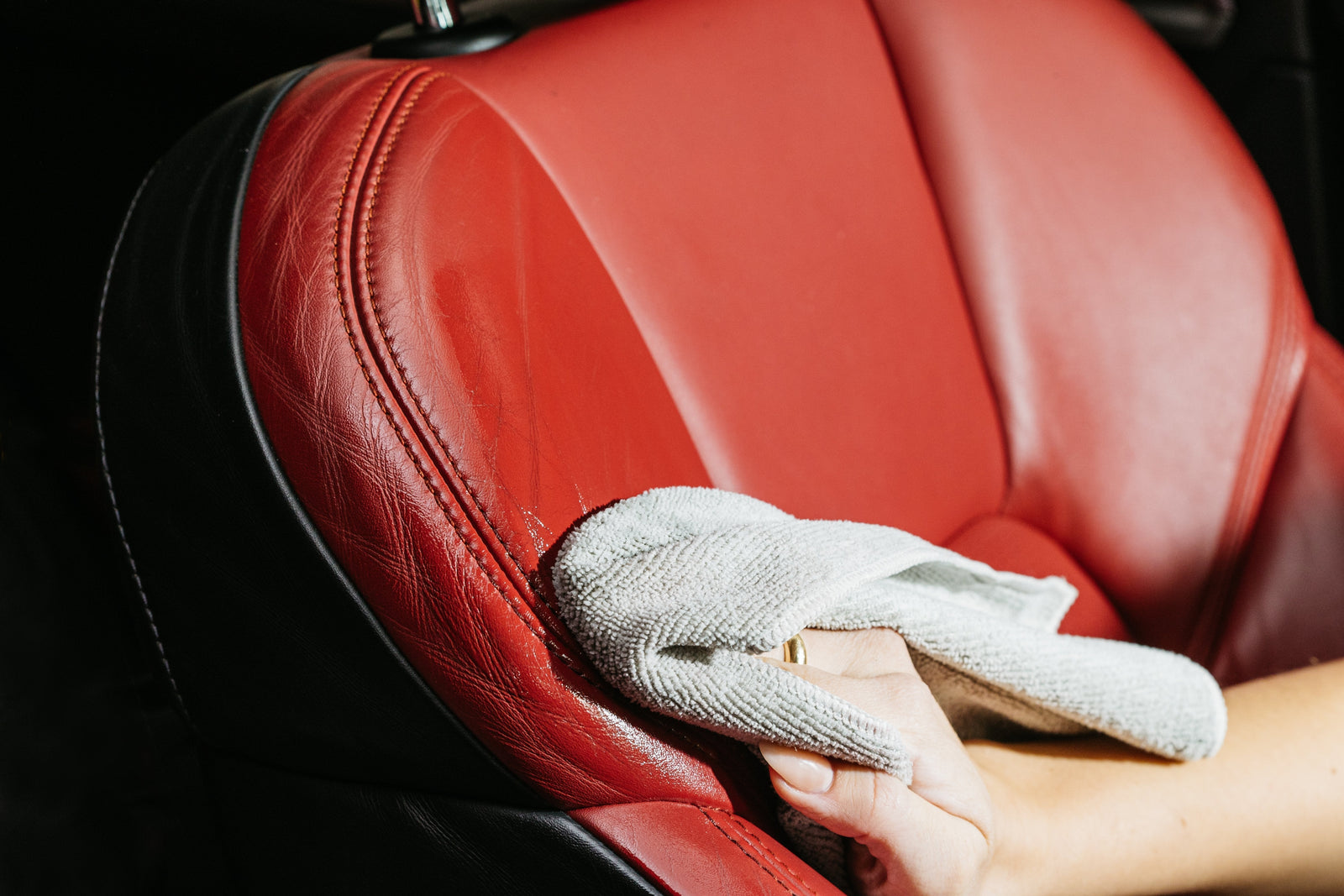
Credit: www.leatherhoney.com
Preparing Leather Seats
Cleaning leather car seats starts with good preparation. Proper steps help protect the leather.
Taking time to prepare makes the cleaning easier and safer for the leather surface.
Gathering Cleaning Supplies
Collect all supplies before you begin cleaning. This saves time and helps you stay organized.
- Soft microfiber cloths
- Vacuum cleaner with brush attachment
- Mild leather cleaner or soap
- Leather conditioner
- Small soft-bristled brush
- Bucket with warm water
Vacuuming Dust And Debris
Remove loose dirt and dust from the seats using a vacuum. This prevents scratches during cleaning.
Use a brush attachment to reach cracks and seams gently without damaging the leather.
- Turn the car seat upright
- Vacuum all seat surfaces carefully
- Use brush attachment for seams and crevices
- Check for any remaining dust or debris
Testing Cleaning Products
Test your cleaning product on a small, hidden spot first. This avoids damage or discoloration.
Wait a few minutes after applying the product to see if the leather reacts badly.
- Choose a hidden area like under the seat
- Apply a small amount of cleaner
- Let it sit for 5-10 minutes
- Look for color change or texture damage
- Only clean the whole seat if no issues appear
Choosing The Right Cleaner
Cleaning leather car seats needs the right product. The cleaner should protect the leather and remove dirt well.
Picking a cleaner depends on the type of leather and how dirty the seats are. Using the wrong cleaner can damage the leather.
Natural Vs Commercial Cleaners
Natural cleaners use ingredients from plants or minerals. They are gentle and safe for the environment.
Commercial cleaners are made in factories. They often clean faster but may have chemicals that harm leather over time.
- Natural cleaners: mild, eco-friendly, safe for sensitive leather
- Commercial cleaners: strong, fast-acting, may contain harsh chemicals
- Test any cleaner on a small spot first
Ph-balanced Options
Leather is sensitive to pH levels. Cleaners with a balanced pH keep leather soft and prevent damage.
Look for cleaners labeled pH-balanced. These products clean well without drying or cracking the leather.
- pH below 7 is acidic and can harm leather
- pH above 7 is alkaline and can dry leather
- Neutral pH (around 7) is safest for leather care
Avoiding Harsh Chemicals
Harsh chemicals can strip leather’s natural oils. This causes fading, cracking, and stiffness.
Avoid cleaners with bleach, ammonia, or strong solvents. These damage the leather finish and shorten its life.
- Do not use bleach or ammonia-based cleaners
- Skip products with strong solvents or alcohol
- Choose gentle cleaners made for leather
Cleaning Process
Cleaning leather car seats keeps them looking fresh and new. Dirt and spills can cause damage over time.
Use the right tools and cleaners to protect the leather. Follow steps carefully for best results.
Applying Cleaner Properly
Choose a leather cleaner that fits your seat type. Test the cleaner on a small hidden spot first.
Apply the cleaner gently using a soft cloth. Do not soak the leather with too much liquid.
- Use a small amount of cleaner at a time
- Work in circular motions for even coverage
- Let the cleaner sit briefly before wiping
Using Soft Brushes And Cloths
Soft brushes help remove dirt from leather grain without damage. Use them gently on the seats.
Microfiber cloths are best for wiping off cleaner and dirt. They are soft and absorbent.
- Brush with light pressure to avoid scratches
- Wipe in smooth, consistent motions
- Use clean cloths to prevent spreading dirt
Dealing With Tough Stains
Some stains need extra care to remove without harming leather. Avoid harsh chemicals.
Use a leather stain remover or a mild soap solution. Apply it carefully on the stained area.
- Blot the stain, do not rub hard
- Repeat treatment if the stain stays
- Dry the area with a soft cloth after cleaning
Conditioning Leather Seats
Leather car seats need regular care to stay soft and strong.
Conditioning helps protect leather from drying and cracking.
Benefits Of Conditioning
Conditioning leather keeps it clean and extends its life.
- Prevents cracks and wear
- Keeps leather soft and flexible
- Protects against stains and spills
- Improves seat appearance and feel
Choosing The Best Conditioner
Pick a conditioner made for car leather, not furniture or shoes.
| Type | Best For | Notes |
| Oil-based | Dry, old leather | Deeply nourishes but can darken leather |
| Water-based | New or light-colored seats | Dries quickly and does not darken |
| Wax-based | Protecting against stains | Creates a protective layer on surface |
Application Techniques
Clean seats before applying conditioner for best results.
- Use a soft cloth to apply conditioner evenly
- Rub gently in circular motions to absorb well
- Let it sit for 10-15 minutes
- Wipe off any excess with a clean cloth
- Repeat every 3-6 months for best care
Maintaining Spotless Shine
Leather car seats add style and comfort to your vehicle. Keeping them clean helps keep their shine and lasts longer.
Regular care removes dirt and stops damage. A clean seat looks fresh and feels soft.
Regular Cleaning Schedule
Clean your leather seats often to avoid stains and cracks. Use a soft cloth and leather cleaner for best results.
Wipe spills quickly to prevent marks. Deep clean every few months to keep seats looking new.
- Dust seats weekly with a dry cloth
- Use leather cleaner monthly
- Condition seats every 3 to 6 months
- Clean spills immediately
Protecting From Sun Damage
Sunlight can fade and dry out leather seats. Use sunshades or park in shade to protect your seats.
Apply leather conditioner to keep seats soft and prevent cracking caused by heat and sun.
- Use window sunshades when parked
- Park in shaded areas when possible
- Apply leather conditioner regularly
- Avoid direct sunlight for long periods
Quick Tips For Daily Care
Small habits help keep your leather seats clean every day. Avoid sharp objects and clean gently.
Use a soft cloth for wiping and avoid harsh chemicals that can damage leather.
- Wipe seats with a damp cloth daily
- Remove debris and crumbs after each trip
- Keep pets off seats or use covers
- Do not use strong cleaners or bleach
Common Mistakes To Avoid
Cleaning leather car seats can be tricky. Many people make mistakes that harm the seats. Let’s look at some errors to avoid.
These mistakes can lead to damaged leather. Avoid them to keep your car seats in great condition.
Using Excess Water
Water can damage leather if used too much. Many people think more water cleans better. This is not true.
Leather absorbs water, which can cause stains. Use minimal water to protect your seats.
- Use a damp cloth, not soaking wet
- Dry the seat quickly after cleaning
- Use leather-specific cleaners
Ignoring Manufacturer Guidelines
Each car seat has specific care instructions. Ignoring these can damage your seats. Follow guidelines to maintain your leather.
Manufacturers know what is best for their products. Check the manual or website for cleaning tips.
- Check the manual before cleaning
- Use recommended products only
- Test a small area first
Skipping Conditioning
Leather needs conditioning to stay soft. Many people skip this step. This can lead to cracks and dryness.
Conditioning keeps the leather flexible and smooth. Use a good leather conditioner regularly.
- Condition seats every few months
- Choose a conditioner made for car leather
- Apply evenly for best results
Diy Vs Professional Cleaning
Leather car seats can be a challenge to clean. You want them to look new for years.
Choosing between DIY cleaning and hiring professionals is important. Each option has its own benefits.
Cost Comparison
Cleaning your car seats yourself is cheaper. But it requires time and effort.
| Cleaning Option | Estimated Cost |
| DIY | $20-$50 for supplies |
| Professional | $100-$200 per session |
When To Hire Experts
Experts are needed for tough stains and deep cleaning. They use special tools and solutions.
- Stubborn stains that won’t come off
- Leather with cracks or damage
- Lack of time to clean yourself
Long-term Benefits
Professional cleaning can extend the life of your leather seats. It maintains their look and feel.
DIY cleaning is good for regular maintenance. It helps to prevent dirt buildup.
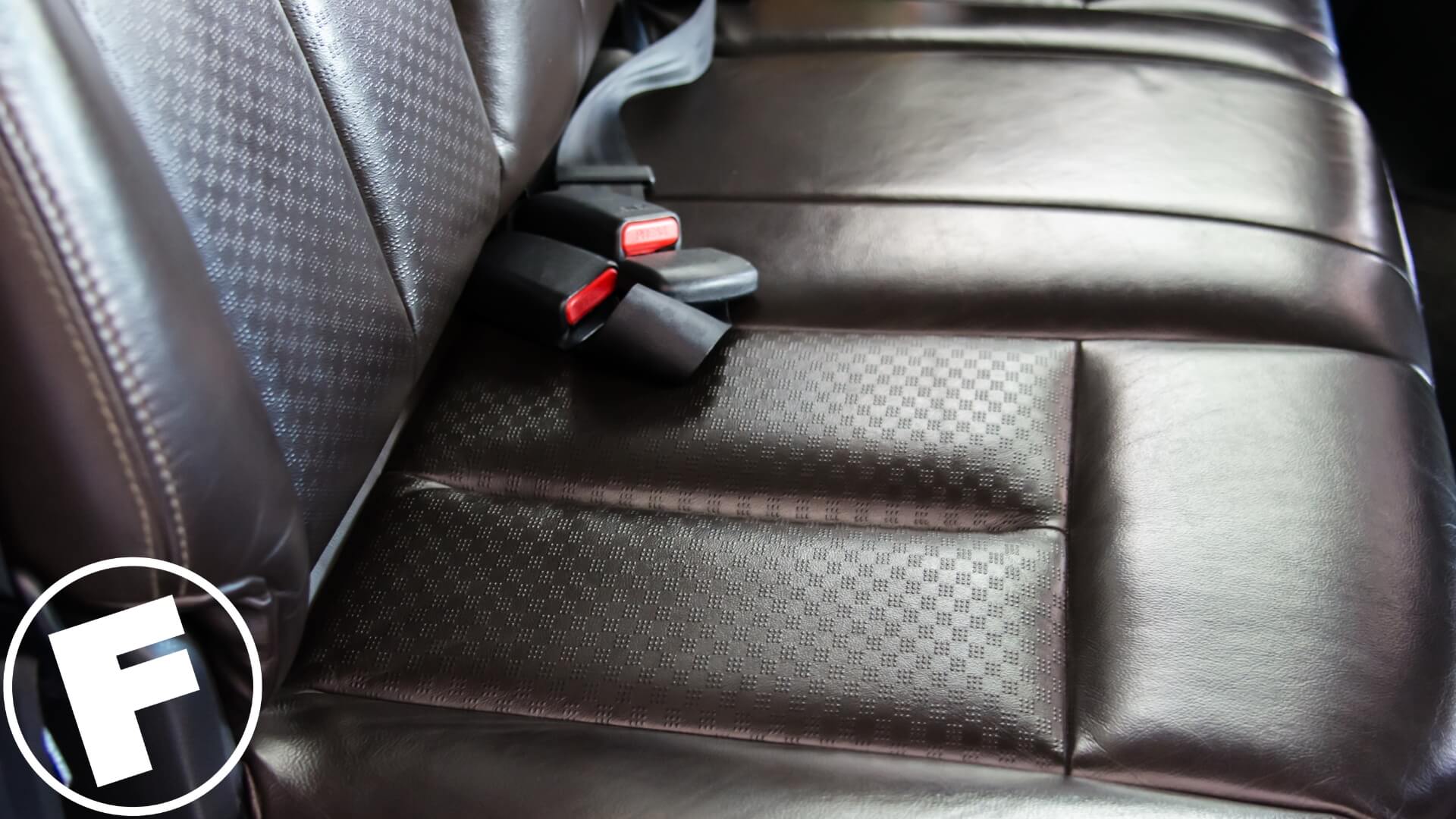
Credit: www.fibrenew.com

Credit: detailsupreme.com
Frequently Asked Questions
How Do I Clean Leather Car Seats Safely?
Use a pH-balanced leather cleaner and a soft cloth. Avoid harsh chemicals and excessive water. Test on a small area first to prevent damage.
What Is The Best Product For Cleaning Leather Seats?
Choose a dedicated leather cleaner with natural oils. Products like leather balm or conditioner help maintain softness and prevent cracks.
Can I Use Household Cleaners On Leather Seats?
No, household cleaners can damage leather. They may strip natural oils, causing dryness and cracking. Always use products designed for leather.
How Often Should I Clean Leather Car Seats?
Clean leather seats every 3-6 months. Frequent cleaning prevents dirt buildup and preserves leather’s natural appearance and durability.
Conclusion
Cleaning leather car seats takes care and the right products. Use gentle cleaners and soft cloths to avoid damage. Regular cleaning keeps the leather soft and looking new. Avoid harsh chemicals that can dry or crack the leather. Dry seats well after cleaning to stop mold or stains.
A little effort goes a long way in protecting your car’s interior. Keep your seats fresh and comfortable with simple, regular care. Your car will thank you with a clean, smooth finish every time.







