
Have you noticed that annoying paint scrape on your car and wondered how to fix it quickly? Scrapes can make your car look old and worn out, but you don’t have to live with them.
Imagine restoring your car’s smooth, shiny surface without spending a fortune or visiting a body shop. You’ll discover simple and effective ways to remove paint scrapes from your car, step by step. Keep reading, and you’ll learn how to bring back your car’s fresh look—fast and easy.
Identify Paint Scrape Types
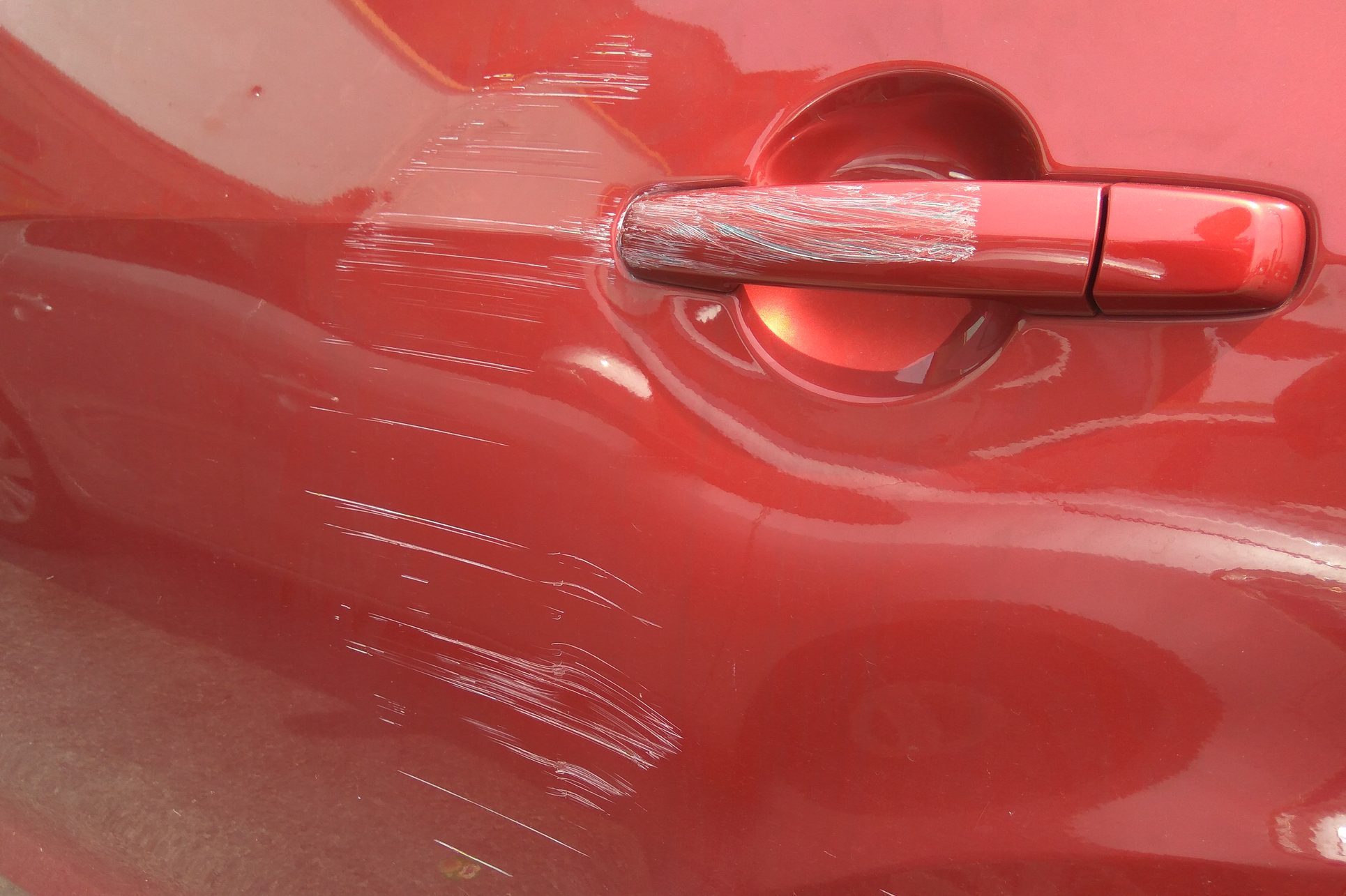
Paint scrapes on cars can vary in depth and damage. Knowing the type helps you choose the right repair method.
This guide explains the difference between surface scratches and deep scrapes. It also helps assess how serious the damage is.
Surface Scratches Vs Deep Scrapes
Surface scratches only affect the clear coat or top paint layer. Deep scrapes go through the paint and may show metal underneath.
- Surface Scratches:Light marks, often feel smooth with your fingernail.
- Deep Scrapes:Rough edges, paint is missing, and you may see primer or metal.
- Clear Coat Damage:Scratch affects only the transparent layer protecting the paint.
- Paint Layer Damage:Scratch reaches the colored paint, causing a visible mark.
Assessing Damage Severity
| Damage Level | Description | Repair Needed |
|---|---|---|
| Minor | Only clear coat scratched, no paint loss | Polishing or scratch remover |
| Moderate | Paint layer scratched, no metal exposed | Touch-up paint or professional buffing |
| Severe | Deep scrape with metal exposed | Professional repair and repainting |

Credit: www.amazon.com
Gather Essential Tools
Removing paint scrapes from your car needs the right tools. Using proper supplies helps fix scratches safely. Prepare all items before starting the repair.
This guide covers cleaning supplies, scratch removal kits, and polishing materials. Each section lists what you need to get the best results.
Cleaning Supplies
Clean the scraped area to remove dirt and grease. This step helps you see the damage clearly and prevents dirt from causing more scratches during repair.
- Mild car wash soap
- Microfiber cloths
- Bucket with clean water
- Isopropyl alcohol for grease removal
- Soft-bristled brush
Scratch Removal Kits
Scratch removal kits contain special compounds to reduce or remove paint scrapes. Kits vary by scratch depth and car paint type.
| Kit Component | Purpose |
|---|---|
| Scratch remover compound | Light scratches and surface marks |
| Applicator pads | Apply compound evenly |
| Touch-up paint | Fill deeper scrapes |
| Clear coat pen | Seal and protect repaired area |
Polishing Materials
Polishing smooths the surface after scratch removal. It brings back shine and helps the paint blend well.
- Car polish or rubbing compound
- Foam polishing pads
- Dual-action polisher or hand applicator
- Clean microfiber towels
Prepare The Damaged Area
Removing paint scrapes from your car starts with good preparation. Cleaning and drying the area helps the repair materials stick well.
Take time to prepare the damaged spot carefully. This makes the repair last longer and look better.
Thorough Cleaning
Cleaning the scraped area removes dirt and grease. This step is important to stop damage from spreading and to help the paint repair stick.
- Use water and mild soap to wash the scraped spot.
- Rinse the area well to remove all soap.
- Use a clean cloth to wipe away dust and grime.
- Apply rubbing alcohol with a soft cloth to remove oils.
- Let the area dry before moving on.
Drying Techniques
Drying the cleaned area is key to avoid trapping moisture under the paint. Use gentle methods to dry without causing more damage.
| Drying Method | Description | Tips |
|---|---|---|
| Air Dry | Let the area dry naturally at room temperature. | Works best in dry weather; avoid dust settling on wet surface. |
| Soft Cloth | Use a microfiber cloth to gently pat the area dry. | Do not rub hard; pat to avoid scratches. |
| Hair Dryer | Use on low heat to speed drying. | Keep distance to avoid overheating paint or plastic. |

Credit: www.amazon.com
Use Diy Removal Methods
Removing paint scrapes from your car can save money and keep your vehicle looking good. Many DIY methods use items you already have at home.
These simple techniques work well for small scratches and scrapes. Always test on a small area first to avoid damage.
Toothpaste For Light Scratches
Toothpaste works as a mild abrasive to reduce the look of light scratches. Use white, non-gel toothpaste for best results.
Apply a small amount on a soft cloth. Rub the toothpaste gently over the scratch in a circular motion. Wipe clean with a damp cloth and dry.
Baking Soda Paste
Baking soda can help remove scrapes by acting as a gentle scrub. Mix baking soda with water to create a thick paste.
- Mix two parts baking soda with one part water.
- Apply the paste to a soft cloth.
- Rub gently on the scrape in small circles.
- Clean the area with a wet cloth and dry it well.
Rubbing Compound Application
Rubbing compound is stronger than toothpaste and baking soda. It helps remove deeper scrapes and smooth the car paint.
| Material | Use |
| Rubbing Compound | Removes deep scrapes |
| Soft Cloth | Apply and buff compound |
| Water | Clean area before and after |
Apply a small amount of compound to a cloth. Rub the scrape with firm, circular motions. Clean and dry the area after.
Apply Scratch Removal Kits
Scrapes and scratches can make your car look old and damaged. Scratch removal kits help fix these marks quickly.
These kits are easy to use and save money compared to professional repairs. They work best for small scrapes.
Choosing The Right Kit
Pick a kit that matches your car’s paint type and scratch size. Some kits are for light scratches only.
Check if the kit includes polishing compounds, applicators, and clear coat pens. These help improve results.
- For clear coat scratches, use a fine polishing kit
- Deeper scratches may need touch-up paint included in the kit
- Water-based kits are safer for the environment
- Look for kits with good user reviews and clear instructions
Step-by-step Application
First, clean the scratched area with soap and water. Dry it well to remove dirt and dust.
Apply the scratch remover or polish using a soft cloth or applicator pad. Rub gently in a circular motion.
- Buff the area until the scratch fades or disappears
- If the kit has touch-up paint, apply it carefully to deeper scratches
- Let the paint dry before applying a clear coat if available
- Finish by polishing the area to blend with the rest of the car
Repeat the process if needed, but do not over-apply. Too much rubbing may harm the paint.
Credit: www.familyhandyman.com
Polish And Protect Paint
Removing paint scrape from your car needs care. Polishing and protecting the paint will keep it looking new.
Learn the best methods to polish and protect your car’s paint after removing scrapes.
Buffing Techniques
Buffing helps smooth out the car’s surface. It removes minor scratches and scrapes.
Use a soft cloth or a buffing machine. Always work in small sections to ensure even polishing.
- Choose a gentle buffing pad
- Apply a small amount of polish
- Work in circular motions
- Wipe with a clean cloth after buffing
Waxing For Longevity
Waxing adds a protective layer to your car’s paint. It helps repel dirt and water.
Waxing should be done after polishing. It seals the paint and provides a shiny finish.
| Wax Type | Benefits |
| Liquid Wax | Easy to apply, quick results |
| Paste Wax | Long-lasting protection, deep shine |
Prevent Future Scrapes
Scratches on your car can be frustrating and costly to fix. Taking steps to prevent future scrapes can save you time and money.
Simple habits and protective measures can help keep your car looking new. Here are tips to avoid paint scrapes.
Safe Parking Tips
Where and how you park can reduce the risk of scrapes. Choose parking spots wisely to protect your car.
- Park away from crowded areas
- Avoid tight parking spaces
- Use parking garages for added safety
- Be mindful of curbs and poles
Protective Coatings
Adding a protective layer to your car can help prevent scratches. Coatings provide an extra shield for the paint.
These coatings can be applied professionally or done at home. They make cleaning easier and protect against minor damage.
- Ceramic coatings offer long-lasting protection
- Wax can be a quick and effective solution
- Paint protection film guards against chips and scratches
Frequently Asked Questions
How Can I Remove Paint Scrapes From My Car Easily?
Use a scratch remover or rubbing compound to gently buff the scrape. Clean the area first and apply the product with a microfiber cloth. Repeat if necessary until the scrape fades. Always follow product instructions for best results.
What Materials Do I Need To Fix Car Paint Scrapes?
You will need a scratch remover, microfiber cloth, car wash soap, rubbing compound, and sometimes touch-up paint. These materials help clean, smooth, and restore the scraped paint area effectively.
Can Diy Methods Fully Remove Deep Paint Scrapes?
DIY methods work best on light scrapes that haven’t penetrated the primer. For deep scrapes, professional repair might be necessary to avoid rust and ensure proper paint matching.
How Long Does It Take To Remove Paint Scrapes From A Car?
Removing light paint scrapes typically takes 15 to 30 minutes. This includes cleaning, applying scratch remover, and buffing. More severe damage may require additional time or professional help.
Conclusion
Removing paint scrapes from your car can be simple and quick. Use gentle methods first to avoid extra damage. Small scrapes often clean up with basic tools and products. Take your time and be patient during the process. Clean the area well before and after treatment.
Keep your car’s surface smooth and shiny with regular care. This keeps your car looking fresh and helps protect it. A little effort goes a long way in maintaining your car’s appearance. Remember, gentle care works best for lasting results.







