
Have you ever wondered if someone is secretly tracking your car? Finding a hidden GPS tracker on your vehicle can give you peace of mind and protect your privacy.
You’ll learn simple, effective ways to spot a GPS tracker quickly—without needing any special tools or technical skills. By the end, you’ll feel confident that your car is truly yours and no one is keeping tabs on your every move.
Keep reading to discover how to find a GPS tracker on your car and take control back.
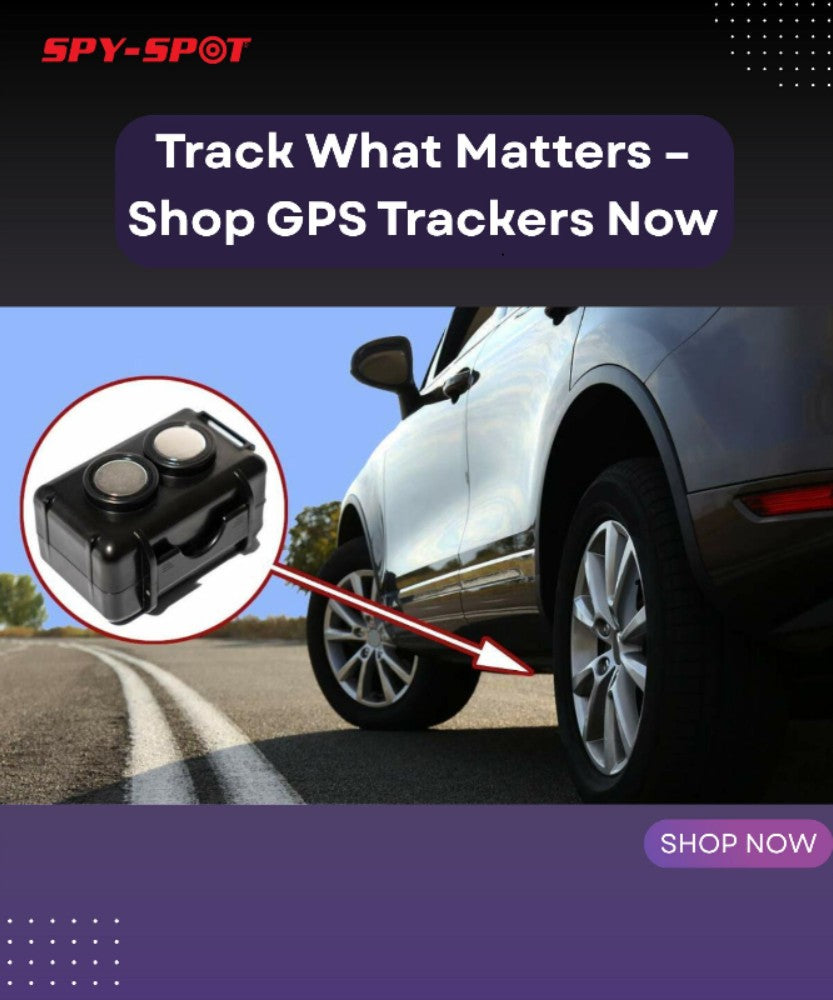
Credit: spy-spot.com
Signs Of A Gps Tracker
Finding a GPS tracker on your car can be important for your privacy and safety. These devices can follow your location without your knowledge. Look for clear signs that may indicate a tracker is present.
Check your vehicle regularly for unusual changes or strange objects. Understanding these signs can help you spot a GPS tracker early and take action.
Unusual Vehicle Behavior
Your car may act differently if a GPS tracker is installed. It might start behaving oddly, like strange noises or lights. You may also notice changes in how your car’s electronics work.
- Unexpected noises from the dashboard or under seats
- Car lights flickering without reason
- Issues with the car’s battery or electrical system
- Unexplained alerts from your car’s system
Strange Devices Or Wires
Look carefully around your car for any unfamiliar devices. Trackers often hide under the car, inside wheel wells, or under seats. Strange wires may also be a clue.
| Common Tracker Locations | What to Look For |
|---|---|
| Under the car’s chassis | Small black boxes or unusual wires |
| Inside wheel wells | Hidden devices stuck with magnets |
| Under seats or in the glove box | Loose wires or small gadgets |
| Near the dashboard | Unfamiliar electronic parts or cables |
Unexpected Battery Drain
A GPS tracker uses your car’s power. It can cause the battery to drain faster than usual. Watch for signs your battery dies or weakens quickly.
Check your battery health regularly and notice these signs:
- Car struggles to start after sitting overnight.
- Battery warning lights appear on the dashboard.
- Electronic devices in the car reset or lose power suddenly.
- Battery needs charging more often than before.

Credit: blog.eyespysupply.com
Common Gps Tracker Locations
GPS trackers on cars are often hidden in specific places. Knowing these spots helps you find one quickly.
These trackers are small and easy to hide. Look carefully in common areas to spot them.
Under The Vehicle
Many GPS trackers are placed under the car. This spot is hidden from view and hard to reach.
Check the underside near the bumper, frame, or exhaust pipe. Use a flashlight to see clearly.
- Look for small black or gray boxes attached with magnets
- Check near metal parts where a magnet can hold the device
- Inspect around the fuel tank area
Inside The Dashboard
Some trackers hide inside the dashboard. This area is protected and not easy to access.
Remove panels or covers to check behind the dashboard. Look for wires or small devices.
- Search near the glove box or under the steering wheel
- Check behind the radio or air vents
- Look for unusual wires or small black boxes
Near The Wheels
GPS trackers can be near the wheels. These areas are easy to hide and hard to spot.
Look inside wheel wells and close to brake lines or suspension parts.
- Check the inner side of wheel arches
- Look for devices attached with tape or magnets
- Use a flashlight to spot anything unusual
In The Trunk Or Wheel Wells
Trackers may be hidden in the trunk or wheel wells. These spots are out of sight.
Inspect under carpets, spare tire areas, and inside plastic trims carefully.
- Lift the trunk carpet to check underneath
- Look around the spare tire for hidden devices
- Check inside plastic panels in the wheel wells
Tools To Detect Gps Trackers
Finding a GPS tracker hidden on your car requires the right tools. These tools help detect signals or magnetic fields that trackers emit or use. Knowing how to use them can keep your vehicle safe.
Many devices and apps are available for detecting trackers. This guide covers some common tools you can use effectively.
Rf Signal Detectors
RF signal detectors scan for radio signals that GPS trackers send. These detectors can alert you when a tracker is nearby by picking up its frequency.
- They detect active GPS trackers by sensing their transmissions.
- Most devices cover a wide frequency range for better detection.
- Use the detector around your car, especially near wires and metal parts.
Magnetic Field Detectors
Magnetic field detectors find the magnetic signals from trackers attached to your car. Many GPS trackers use magnets to stick to metal surfaces.
| Feature | Use |
| Detects magnetic fields | Finds hidden magnetic trackers |
| Portable size | Easy to scan all car areas |
| Audio or visual alerts | Notifies when strong magnets are near |
Smartphone Apps
Some smartphone apps help detect GPS trackers by scanning for unusual signals or Bluetooth devices around your car.
Popular app features include:
- Scanning for active GPS signals
- Detecting hidden Bluetooth devices
- Using the phone’s camera and sensors to find trackers
Apps are easy to use but may miss trackers with low signals or no Bluetooth.
Manual Inspection Techniques
Finding a GPS tracker on your car can be done by closely checking your vehicle. Manual inspection uses simple tools and careful observation. It helps you spot hidden devices without special equipment.
This guide shows easy manual steps. Each step focuses on common hiding spots for trackers. Follow these tips to keep your car free from unwanted tracking.
Visual Scanning Tips
Look carefully around your car’s exterior and interior. Trackers are often small and hidden in tight spots. Check under bumpers, inside wheel wells, and under seats.
- Inspect seams and crevices closely.
- Feel for unusual bumps or sticky attachments.
- Check areas near the battery and wiring.
- Look behind license plates and inside tail lights.
Using A Flashlight And Mirror
Use a flashlight to brighten dark areas around your car. A small mirror helps see spots that are hard to reach or view directly. This method reveals hidden compartments or devices.
- Turn off the lights and inspect under the car at night or in a dark place.
- Use the mirror to look behind panels and inside wheel wells.
- Shine the flashlight into vents and holes in the car body.
- Look for wires or magnets attached to metal surfaces.
Checking Vehicle Undercarriage
The undercarriage is a common place for GPS trackers. They often attach using magnets or tape. Carefully examine the entire underside of your vehicle for anything unusual.
| Area | What to Look For |
| Near the fuel tank | Small boxes or wires |
| Under the bumper | Hidden devices or magnets |
| Wheel wells | Unusual attachments or loose parts |
| Exhaust pipe area | Strange objects or extra wires |
Using Technology To Locate Trackers
Finding a GPS tracker on your car is possible with the right tools. Technology helps detect these devices quickly.
Knowing how to use detection devices and services can protect your privacy and security.
Signal Jamming Devices
Signal jamming devices block signals between GPS trackers and satellites. This stops trackers from sending location data.
These devices work by creating interference in the GPS frequency range. They prevent the tracker from working properly.
- Can block signals temporarily
- Illegal in some areas
- Use with caution and check local laws
Gps Tracker Detection Devices
Detection devices scan your car for hidden GPS trackers. They find signals or electronic components of trackers.
Some detectors show signal strength and help you locate the exact spot of the tracker.
- Radio frequency (RF) detectors find tracker signals
- Magnetic sensors detect hidden magnets on trackers
- Smartphone apps can help but are less reliable
Professional Tracking Services
Professional services use advanced tools to find GPS trackers on cars. Experts can check your vehicle thoroughly.
These services often use specialized equipment that is not available to the public. They provide detailed reports on findings.
- Expert inspection of vehicle areas
- Use of high-end detection gadgets
- Advice on removing or disabling trackers

Credit: spytec.com
What To Do If You Find A Tracker
Finding a GPS tracker on your car can be unsettling. It’s important to stay calm and take the right steps.
Knowing what to do next will help you handle the situation safely and legally.
Legal Considerations
Understanding the laws about GPS trackers is crucial. Some trackers are legal, while others are not.
Check if the tracker was placed by someone with legal rights, like a car rental company or a loan provider.
- Consult with a legal expert if you’re unsure
- Research local laws about tracking devices
- Document the discovery with photos
Removing The Device Safely
Removing a tracker needs care to avoid damage to your car. You may need a professional’s help.
If you decide to remove it yourself, make sure the car is parked and turned off.
- Wear gloves to protect your hands
- Use tools gently to avoid scratches
- Keep the device intact for evidence
Reporting To Authorities
Once the tracker is removed, report it to the authorities. This step is important for your safety.
Provide them with all the information and evidence you have gathered.
- Contact local police or law enforcement
- Share photos and details of the tracker
- Keep a record of your report for future reference
Frequently Asked Questions
How Can I Detect A Gps Tracker On My Car?
You can detect a GPS tracker by visually inspecting your car’s exterior and interior. Use a GPS detector device or smartphone apps designed to find hidden trackers. Check areas like under the chassis, inside wheel wells, and beneath seats for unusual devices or wiring.
Where Are Gps Trackers Usually Hidden On Cars?
GPS trackers are often hidden under the car’s chassis, inside wheel wells, or under seats. They may also be placed in the glove compartment or behind the dashboard. Knowing these common spots helps you conduct a thorough search for any hidden tracking devices.
Can A Smartphone Help Find A Gps Tracker?
Yes, some smartphone apps scan for Bluetooth and radio signals emitted by GPS trackers. These apps can detect nearby tracking devices by identifying unusual signals. However, using a dedicated GPS tracker detector is often more reliable and accurate.
How To Remove A Gps Tracker From My Car Safely?
Once you locate the GPS tracker, carefully disconnect its power source or remove it completely. Avoid damaging your car’s wiring during removal. If unsure, seek professional help to safely remove the device without harming your vehicle.
Conclusion
Finding a GPS tracker on your car takes patience and careful checking. Start by looking in common places like under seats or bumpers. Use a strong flashlight and a magnet to help spot hidden devices. Trust your instincts if something feels unusual.
Regularly inspecting your car keeps you safe and aware. Stay calm and follow these simple steps to protect your privacy. Small efforts can make a big difference in knowing what’s inside your vehicle. Keep your car secure and your mind at ease.







