
Are you worried about getting caught by speed traps? Maybe you’ve heard about cop radar detectors and wondered if using one is breaking the law.
You’re not alone. Many drivers want to protect themselves from unexpected tickets but don’t know where the legal line is. This article will clear up the confusion and help you understand exactly what’s legal—and what’s not—when it comes to radar detectors.
Keep reading to make sure you’re staying safe and on the right side of the law.
Legality Of Radar Detectors
Radar detectors are devices used to detect police radar signals. Many drivers use them to avoid speeding tickets. The rules about using radar detectors differ by place. It is important to know the law before using one.
This article explains the laws about radar detectors in the United States. It covers federal laws, state rules, and rules for commercial vehicles.
Federal Laws On Radar Detectors
The federal government has limited rules about radar detectors. They mainly focus on commercial vehicles. For most personal cars, radar detectors are legal under federal law.
Radar detectors are banned in commercial trucks over 10,000 pounds. This rule helps promote safety on highways. Personal vehicles do not have this federal restriction.
State-specific Regulations
States have different laws about radar detectors. Some states allow them, while others ban them. It is important to check the laws where you drive.
- Virginia, Washington D.C., and some others ban radar detectors in all vehicles.
- In some states, radar detectors are legal only in personal vehicles.
- Some states have no rules and allow radar detectors freely.
- Using radar detectors in certain areas like toll zones may be restricted.
Radar Detectors In Commercial Vehicles
Federal law bans radar detectors in commercial trucks over 10,000 pounds. This includes trucks used for business or transporting goods. The ban helps keep road safety high.
Trucks that break this rule may face fines and penalties. Drivers should check both federal and state laws before using radar detectors in commercial vehicles.
Credit: www.vortexradar.com
How Radar Detectors Work
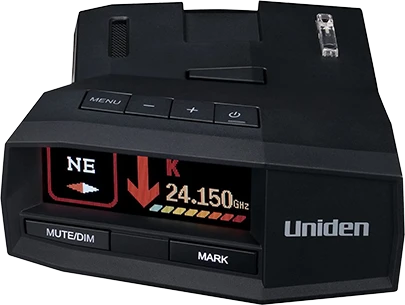
Radar detectors help drivers know if police use radar guns to check speed. They detect radar signals sent by police devices.
These devices alert drivers to slow down before getting a ticket. Understanding their technology shows how they work and their limits.
Basic Technology Behind Detectors
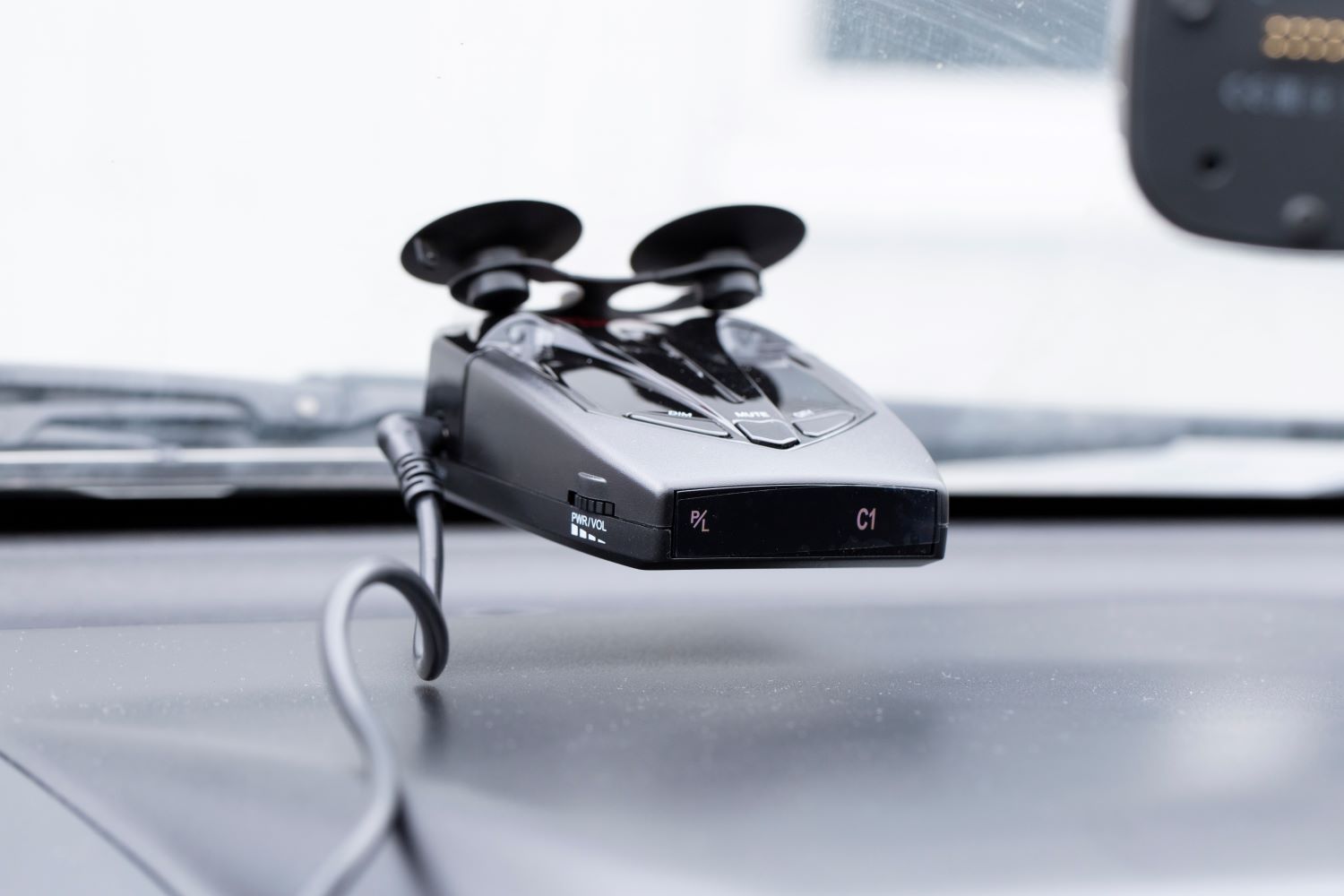
Radar detectors use radio receivers to find radar waves from police guns. They scan many frequencies to catch signals fast.
- The device scans for radar frequencies used by law enforcement.
- It picks up radio waves sent by speed measurement tools.
- When detected, it alerts the driver with sounds or lights.
- Some models filter false signals to avoid wrong alarms.
Limitations Of Detection
Radar detectors do not always work perfectly. Police use different methods that can avoid detection.
| Limitation | Explanation |
| Laser Speed Guns | Harder to detect because signals are narrow and brief. |
| Radar Detector Detectors | Police can find if you use a radar detector. |
| Signal Blocking | Buildings or hills can block radar waves. |
| False Alerts | Other devices like automatic doors can cause false alarms. |
Common Misconceptions
Many people think radar detectors are illegal everywhere. This is not true. The rules vary by location.
It is important to know what radar detectors do and where you can use them legally.
Radar Detectors Vs. Laser Jammers
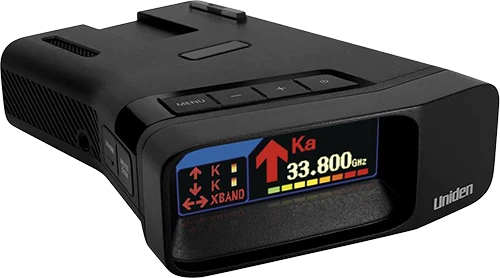
Radar detectors sense radar signals used by police for speed checks. They alert drivers when a radar is near.
Laser jammers block police laser speed guns. They stop the laser from measuring your speed.
- Radar detectors warn you about radar signals.
- Laser jammers block laser speed detection.
- Radar detectors are legal in most states, but laser jammers often are not.
- Laser jammers can cause legal trouble if used where banned.
Myths About Police Detection
Some believe police can detect if you have a radar detector. This is mostly false.
Police use special radar detector detectors in some places. But these devices are not common everywhere.
- Radar detector detectors are used mainly in Virginia and Washington, D.C.
- In most states, police cannot tell if you have a radar detector.
- Using a radar detector is legal in most states and not easily detected.
- Always check local laws before using any detection device.
Credit: www.vortexradar.com
Penalties For Illegal Use
Using a cop radar detector illegally can lead to serious penalties. Laws vary by location, but most places have strict rules against these devices.
Drivers caught with illegal radar detectors often face fines and other legal consequences. It is important to know the risks before using one.
Fines And Legal Consequences
Penalties for illegal radar detector use include fines and sometimes equipment confiscation. The amount of the fine depends on the state or country.
- Monetary fines ranging from $50 to $500 or more
- Confiscation of the radar detector device
- Possible court appearances and legal fees
- In some cases, criminal charges can be filed
Impact On Driving Records
Illegal use of radar detectors can add points to your driving record. These points can increase your insurance rates and lead to license suspension.
| Violation | Points Added | Possible License Action |
| Illegal radar detector use | 2-4 points | Warning or Suspension |
| Repeat offense | 4-6 points | License Suspension |
| Other traffic violations | Varies | Depends on offense |
Alternatives To Radar Detectors
Radar detectors are illegal in many places. They can cause fines or other problems. It is better to find other ways to avoid speeding tickets.
There are safe and legal tools that help drivers stay aware of speed limits and police presence. These options improve safety on the road.
Safe Driving Practices
Driving within speed limits keeps you safe and avoids tickets. Watch the road signs and adjust your speed often. Stay calm and focused while driving.
Use cruise control on highways to keep a steady speed. Avoid distractions like phones or loud music. Plan your trips to allow enough time so you don’t rush.
- Follow posted speed limits
- Use cruise control on long drives
- Stay alert and avoid distractions
- Give yourself plenty of travel time
Apps And Technology For Speed Alerts
Many apps can alert you about speed limits and police locations. These apps use GPS and community reports. They keep you informed without breaking any laws.
Some cars have built-in systems that warn about speed cameras or changes in speed limits. These tools help you adjust your speed safely and on time.
- Navigation apps with speed limit alerts
- Community-based police and speed camera reports
- Car systems with speed and camera warnings
- Voice alerts to avoid distractions
Credit: www.carparts.com
Frequently Asked Questions
Are Cop Radar Detectors Illegal Everywhere?
Radar detector legality varies by country and state. Some places ban them, while others allow use. Always check local laws before using a radar detector to avoid fines or penalties.
Can Police Detect Radar Detectors?
Yes, some police use radar detector detectors (RDDs). These devices identify signals emitted by radar detectors. However, RDD use is limited and varies by region.
What Are The Penalties For Using Radar Detectors?
Penalties range from fines to confiscation of the device. In some areas, using radar detectors can lead to license suspension. Always comply with local regulations to avoid trouble.
Are Radar Detectors Effective Against All Police Radar Types?
Radar detectors work well against most radar guns but less so against laser speed guns. Laser guns require specialized laser jammers for effective detection.
Conclusion
Cop radar detectors have different laws depending on the place. Some areas allow them, others do not. Always check local rules before using a radar detector. Breaking the law can lead to fines or other trouble. Staying informed helps you avoid risks on the road.
Use devices wisely and respect traffic laws. Safety matters more than avoiding speed checks. Choose smart driving over relying on gadgets. Keep your journey safe and legal at all times.







