
Have you ever wondered what it means to get a “detail” on your car? You might think it’s just a simple wash, but car detailing goes way beyond that.
It’s all about making your vehicle look and feel like new, both inside and out. Whether you want to protect your investment, boost your car’s appearance, or simply enjoy driving a spotless ride, understanding what a detail involves can change the way you care for your car.
Keep reading, and you’ll discover exactly what a car detail includes and why it matters to you.
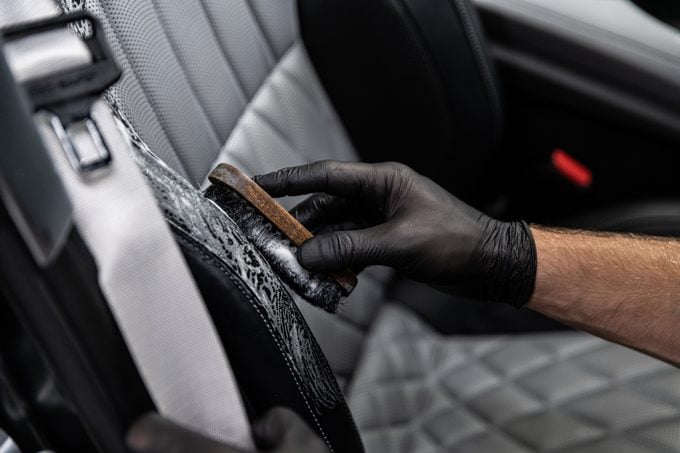
Credit: www.familyhandyman.com
Car Detailing Basics
Car detailing means cleaning your car thoroughly inside and out. It keeps your car looking new and protects its parts.
Detailing goes beyond a simple wash. It includes careful cleaning, polishing, and protecting every surface of the car.
Exterior Cleaning
Exterior cleaning removes dirt, grime, and stains from the car’s outside. It improves shine and prevents damage.
- Wash the car with a gentle soap and water.
- Use a clay bar to remove stuck-on debris.
- Polish the paint to remove small scratches.
- Apply wax or sealant to protect the surface.
- Clean tires and rims to remove brake dust and dirt.
Interior Cleaning
Interior cleaning keeps the inside of the car fresh and comfortable. It removes dust, stains, and odors.
| Area | Cleaning Method | Tools Used |
| Seats | Vacuum and shampoo fabric or leather cleaner | Vacuum, brushes, cloths |
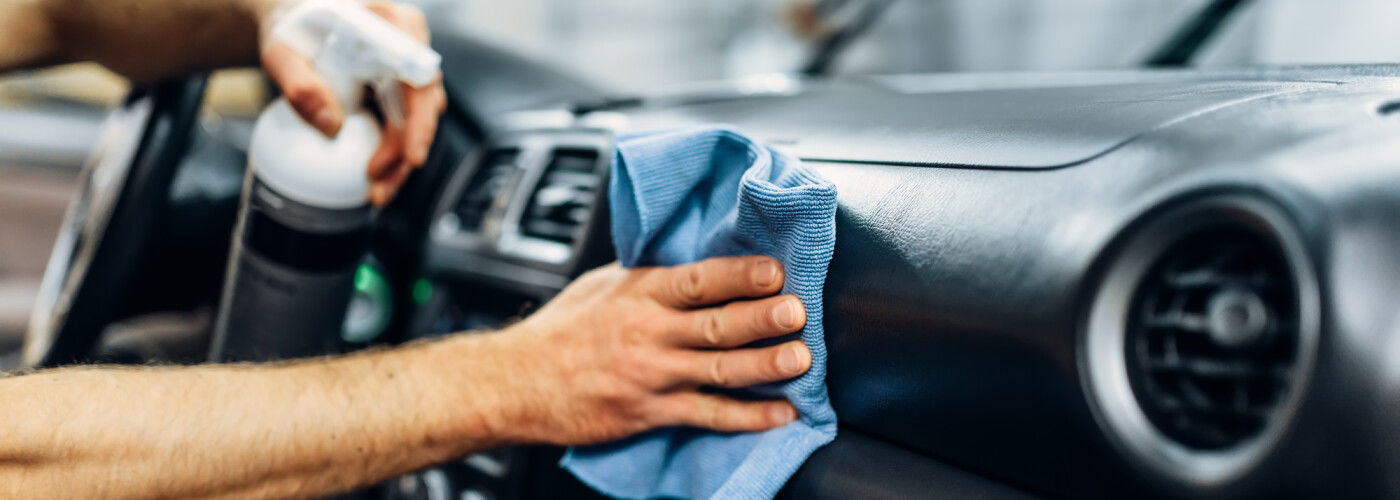
| Dashboard | Wipe with mild cleaner | Microfiber cloth, spray cleaner |
| Carpets | Vacuum and deep clean | Vacuum, carpet cleaner |
| Windows | Clean with glass cleaner | Glass cleaner, microfiber cloth |
Engine Bay Detailing
Engine bay detailing cleans the engine compartment. It helps spot leaks and keeps parts in good shape.
Follow these tips for safe engine cleaning:
- Let the engine cool before cleaning.
- Cover sensitive parts like the battery and air intake.
- Use a degreaser to break down grime.
- Rinse gently with low-pressure water.
- Dry with a cloth or air blower to avoid moisture damage.
Credit: www.mercedes-benz-brampton.ca
Tools And Products Needed
Detailing a car means cleaning and protecting every part carefully. You need the right tools and products to do the job well. Each step requires specific supplies to make the car look its best.
This guide covers the main categories of products you need: cleaning supplies, polishing and waxing materials, and protective coatings. Knowing these helps you prepare for a full car detail.
Cleaning Supplies
Cleaning is the first step in car detailing. It removes dirt, grime, and old residues from the surface. Use gentle and effective products to avoid damage.
- Car wash soap designed for automotive paint
- Microfiber wash mitts to avoid scratches
- Wheel cleaner for brake dust and road grime
- Glass cleaner for clear windows and mirrors
- Detailing brushes for tight areas and vents
- Drying towels made from soft microfiber
Polishing And Waxing
Polishing removes small scratches and smooths the paint. Waxing adds shine and a layer of protection. Both improve the car’s appearance and help protect the finish.
| Product | Purpose | Usage |
|---|---|---|
| Polishing compound | Removes scratches and swirls | Apply with a polishing pad or machine |
| Polishing pads | Help spread polish evenly | Use soft pads for light polishing |
| Car wax | Adds shine and surface protection | Apply by hand or with a buffer |
| Wax applicator pads | Evenly apply wax | Use clean, soft pads |
Protective Coatings
Protective coatings shield the car from dirt, UV rays, and water. They last longer than wax and keep the paint looking fresh for months.
- Ceramic coatings for strong, long-lasting protection
- Paint sealants for easy application and good durability
- Glass coatings for water repellency on windows
Step-by-step Detailing Process
Car detailing cleans and restores a vehicle inside and out. It helps keep the car looking new.
This process has several steps to make sure every part is clean and protected.
Washing And Drying
Start by rinsing the car to remove loose dirt. Use a gentle car shampoo and wash with a soft sponge.
Rinse the car again and dry it with a clean microfiber towel. Drying prevents water spots on the paint.
Claying And Polishing
Use a clay bar to remove tough dirt and contaminants from the paint surface. This makes the paint smooth.
Polish the paint to remove small scratches and swirls. Polishing restores the paint’s shine and clarity.
Waxing And Sealing
Apply wax or sealant to protect the paint from dirt and UV damage. It also adds a glossy finish.
Use a soft applicator and apply wax in small sections. Let it dry, then buff with a clean cloth.
Interior Vacuuming And Shampooing
Vacuum the seats, carpets, and floor mats to remove dust and debris. Use attachments for tight spots.
Shampoo fabric seats and carpets to remove stains and odors. Use a brush to clean deep into the fibers.
Benefits Of Regular Detailing
Car detailing means cleaning and restoring your vehicle inside and out. It goes beyond a normal wash to keep your car in top shape.
Doing it regularly helps your car look good and lasts longer. It also protects the vehicle from damage.
Maintaining Appearance
Regular detailing removes dirt, dust, and stains from your car’s surface. It keeps the paint shiny and fresh.
Detailing also cleans the inside, making seats and carpets look new. It helps your car feel clean and inviting.
Protecting Vehicle Value
Keeping your car detailed prevents rust and paint damage. It stops dirt and grime from causing long-term problems.
A well-maintained car holds its value better when you decide to sell or trade it later.
Enhancing Driving Experience
Clean windows and mirrors improve visibility and safety. A tidy interior helps you feel relaxed while driving.
Fresh air and a clean cabin make trips more pleasant. Detailing removes dust and allergens that can bother drivers and passengers.
Common Mistakes To Avoid
Detailing a car makes it look and feel new again. But mistakes can ruin your hard work. Here are some errors you should avoid.
Learn to steer clear of these common pitfalls while detailing your car. This will save you time and effort.
Using Harsh Chemicals
Some chemicals can damage your car’s paint or interior. Always read the label before using a product.
Choose products made for cars. Household cleaners are often too strong and can cause harm.
- Test a small area first
- Avoid bleach and ammonia
- Choose pH-balanced cleaners
Skipping Prep Steps
Preparation is key to a good car detail. Skipping prep steps leads to poor results.
Take time to wash and dry your car first. This removes dirt that can scratch the surface.
- Wash the car before waxing
- Dry surfaces to prevent water spots
- Use clay bars to remove contaminants
Ignoring Interior Details
Many people focus only on the car’s exterior. The interior needs care too.
Clean the seats, dashboard, and carpets. This makes the car comfortable and pleasant to drive.
- Vacuum seats and floors
- Use protectant on dashboards
- Clean windows inside and out
Professional Vs Diy Detailing
Car detailing is all about cleaning and restoring your car. It makes your car look like new. You can choose professional detailing or do it yourself (DIY).
Both options have their own benefits. Let’s explore the differences between professional and DIY car detailing.
Cost Considerations
Professional detailing usually costs more money. You pay for expert service. DIY detailing is cheaper. You buy your own supplies and tools.
- Professional: $50 to $150 per session
- DIY: $20 to $50 for supplies
Time And Effort
Professional detailing saves you time. Experts do the work quickly. DIY detailing takes more effort and time. You do all the cleaning.
- Professional: 1-2 hours
- DIY: 3-4 hours
Quality Differences
Professionals have training and experience. They use high-quality products. DIY detailing depends on your skill. The result may vary.
- Professional: Consistent and thorough
- DIY: Varies based on skill and products used
Advanced Detailing Techniques
Car detailing goes beyond a simple wash and wax. It involves deep cleaning and restoring every part of the vehicle. Advanced techniques improve the car’s look and protect its surfaces.
These methods require skill and the right tools. Paint correction, ceramic coating, and headlight restoration are common advanced steps in detailing.
Paint Correction
Paint correction removes surface defects like scratches, swirl marks, and oxidation. It restores the paint’s shine and smoothness. This process uses polishing compounds and machines to even out the paint layer.
- Wash and dry the car thoroughly.
- Inspect the paint under bright light.
- Choose the right polish and pad for the paint type.
- Use a dual-action polisher for even results.
- Buff the paint to remove residue and enhance gloss.
Ceramic Coating
Ceramic coating adds a protective layer to the car’s paint. It bonds to the surface and creates a shield against dirt, water, and UV rays. This coating lasts longer than regular waxes.
| Benefit | Description |
| Durability | Protects paint for months to years |
| Hydrophobic Effect | Makes water and dirt slide off easily |
| Gloss Enhancement | Improves shine and depth of color |
| Scratch Resistance | Reduces minor scratches and swirl marks |
Headlight Restoration
Over time, headlights get cloudy and yellowed. Restoration cleans the lenses and improves light output. It also increases safety by making the headlights brighter.
Common headlight restoration steps:
- Clean the headlight surface with soap and water.
- Sand the lens with fine-grit sandpaper to remove oxidation.
- Polish the lens to smooth out scratches.
- Apply a UV sealant to protect from future damage.

Credit: sssdetailing.ca
Frequently Asked Questions
What Does Car Detailing Include?
Car detailing involves cleaning, restoring, and finishing both the interior and exterior. It enhances the vehicle’s appearance and protects surfaces from damage.
How Often Should You Detail A Car?
It’s best to detail your car every 4 to 6 months. Regular detailing maintains the paint and interior condition effectively.
Is Car Detailing Worth The Cost?
Yes, detailing preserves your car’s value. It prevents wear and improves appearance, saving money on repairs later.
Can Detailing Remove Scratches On A Car?
Detailing can minimize light scratches using polishing techniques. Deep scratches may require professional repair beyond detailing.
Conclusion
Car detailing means cleaning and caring for your car inside and out. It helps keep your car looking new and protects its value. A good detail removes dirt, dust, and stains you might miss. It also helps prevent damage to paint and surfaces.
Regular detailing saves money by avoiding costly repairs later. Taking time for detailing shows you care about your car. Simple steps can make a big difference in your car’s appearance. Try detailing often to enjoy a cleaner, fresher car every day.







