
Have you ever wondered if someone might be tracking your car without your knowledge? Finding a hidden GPS tracking device on your vehicle can feel overwhelming, but it doesn’t have to be.
You’ll discover simple, effective ways to spot these devices quickly and protect your privacy. By learning how to find a GPS tracker, you take control of your safety and peace of mind. Keep reading to uncover the secrets that can help you stay one step ahead.

Credit: blog.eyespysupply.com
Signs Of A Hidden Gps Tracker
Finding a hidden GPS tracker on your car can be tricky. These devices are small and easy to hide. Knowing the signs can help you spot them early.
This guide focuses on three common signs: unusual devices and wires, battery drain and interference, and unexpected sounds or lights.
Unusual Devices And Wires
Hidden GPS trackers often come with strange devices or wires attached to your car. These may look out of place or new compared to other parts of your vehicle.
- Check under the dashboard for small boxes or gadgets.
- Look for wires that seem out of place or are taped oddly.
- Inspect wheel wells and bumpers for hidden devices.
- Examine the engine compartment for unfamiliar electronics.
- Look inside the glove box or under seats for strange objects.
Battery Drain And Interference
A hidden GPS tracker can drain your car’s battery faster than usual. It may also cause interference with your car’s electronics.
| Symptom | Possible Cause |
| Car battery dies quickly | Tracker draws power constantly |
| Radio or stereo interference | GPS tracker signals causing noise |
| Dashboard lights flicker | Electrical interference from device |
| Car engine trouble | Device affecting engine electronics |
Unexpected Sounds Or Lights
Hidden GPS trackers may emit faint sounds or show small lights. These can be hard to notice but are important clues.
- Listen for a quiet buzzing or clicking noise near your car.
- Look for tiny blinking lights in dark areas of the car.
- Check for heat spots that may feel warm to the touch.
- Use a flashlight to spot reflective surfaces on devices.
Tools Needed For A Gps Sweep
Finding a GPS tracking device on your car needs the right tools. These tools help you spot hidden devices fast and easily.
Using simple tools like magnets and flashlights, or tech like RF signal detectors and mobile apps, can make the job easier.
Magnet And Flashlight
A strong magnet can help find GPS devices. Many trackers use magnets to attach to metal parts under your car.
A bright flashlight helps you see in dark or hidden areas. Check under the car, wheel wells, and bumpers carefully.
- Use a magnet to scan metal surfaces under the car.
- Look for unusual objects that stick to the magnet.
- Shine a flashlight into small spaces and crevices.
- Inspect wheel wells, under the hood, and trunk areas.
Rf Signal Detector
RF signal detectors find radio signals sent by GPS trackers. These devices can detect signals even if the tracker is hidden well.
Move the detector slowly around your car. It will beep or light up when it finds a signal source.
- Turn on the detector and sweep around the car.
- Listen for beeps or watch for signal lights.
- Focus on areas with strong signals for closer checks.
- Check inside the car, under seats, and in vents.
Mobile Apps For Detection
Some mobile apps can help find GPS trackers by detecting nearby signals. These apps work with your phone’s Bluetooth or Wi-Fi.
Apps scan for unknown devices connected or trying to connect to your phone. They can alert you about suspicious signals.
- Download a trusted signal detection app.
- Run the app and scan the area around your car.
- Review detected devices and look for unknown ones.
- Use the app to check inside and outside your vehicle.
Common Hiding Spots On Vehicles
Many people worry about GPS tracking devices on their cars. These devices can be hidden in several places. Knowing where to check helps you find them quickly.
This guide shows common spots where trackers are hidden. You can inspect these areas for anything unusual or out of place.
Under The Chassis
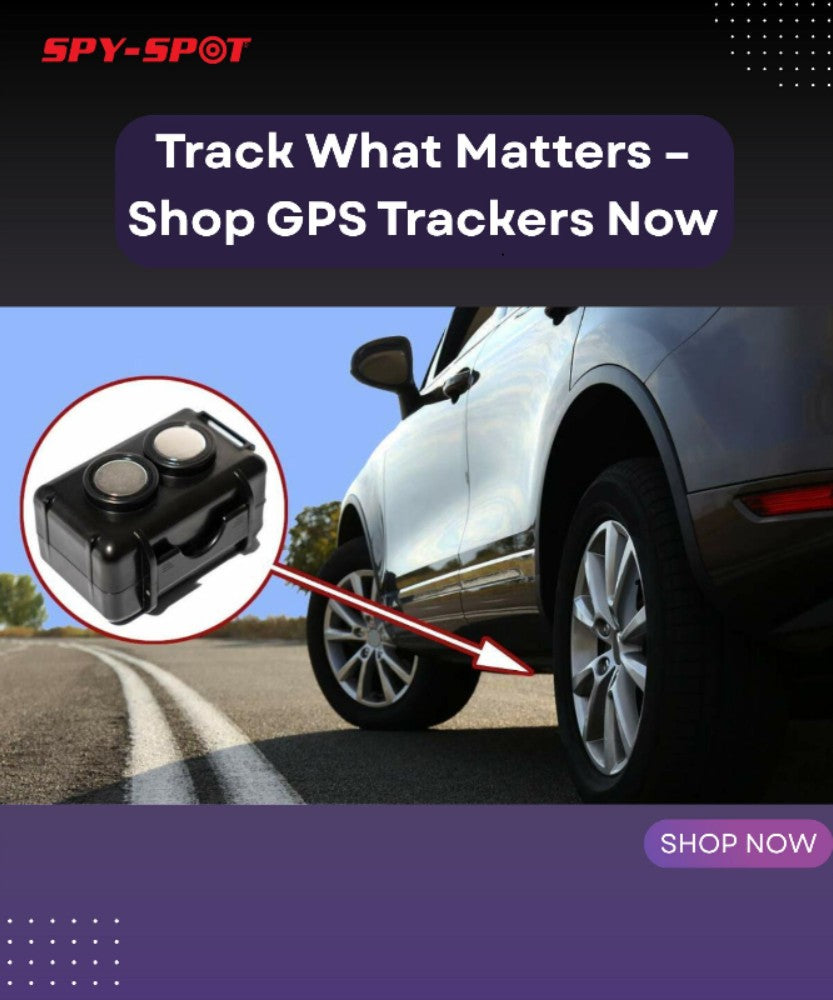
The underside of your car is a popular place for hiding GPS trackers. They can be attached with magnets to the metal frame. Check carefully for any small boxes or devices stuck under your vehicle.
Inside The Wheel Wells
Wheel wells offer many dark corners for hiding devices. Trackers can be taped or clipped inside the wells, near the suspension or brake lines. Look for anything that looks like a small box or has wires.
Behind Bumpers And Panels
Bumpers and side panels hide many things. Trackers can be placed behind plastic or metal parts that are not often moved. Be sure to check these areas for loose parts or unusual objects.
- Check behind front and rear bumpers
- Look inside side skirts and panels
- Use a flashlight to spot hidden devices
- Feel for anything unusual or out of place
Under The Dashboard
Inside the car, under the dashboard is a common hiding spot. Trackers may be attached near the steering column or fuse box. Remove panels carefully to inspect this area.
| Common Spots Under Dashboard | What to Look For |
| Near steering column | Small boxes, wires |
| Fuse box area | Unfamiliar devices or cables |
| Behind glove compartment | Hidden gadgets or magnets |

Credit: www.amazon.com
Step-by-step Search Process
Finding a GPS tracking device on your car can give you peace of mind. You need to check carefully and follow the right steps. This guide will help you search effectively.
Look for signs of hidden devices and use tools to detect signals. You can also remove any suspicious objects safely. Read on to learn each step.
Visual Inspection
Start with a close look around your car. GPS devices are often small and hidden in hard-to-see places. Check areas where a device can fit and stay attached.
- Look under the car, especially near the wheel wells and bumpers
- Inspect inside wheel rims and under the hood
- Check inside the trunk and behind panels
- Examine the dashboard and under seats
- Use a flashlight to see dark or narrow spots
Signal Scanning
Use a signal detector to find GPS devices that send signals. These scanners detect radio frequencies or Bluetooth from hidden trackers.
| Device Type | Signal Frequency | Detection Method |
|---|---|---|
| GPS Tracker | 1.5 GHz to 1.6 GHz | Radio frequency scanner |
| Bluetooth Tracker | 2.4 GHz | Bluetooth signal detector |
| Cellular Tracker | 800 MHz to 2.5 GHz | Cellular signal detector |
Physical Removal
If you find a suspicious device, remove it carefully. Some devices are attached with magnets or tape. Use tools if needed to avoid damage to your car.
- Wear gloves to protect your hands
- Use a flat tool to pry off stuck devices gently
- Keep the device for further inspection or evidence
- Check again to be sure no other devices remain
- Consult a professional if you feel unsure or unsafe
What To Do If You Find A Tracker
Finding a GPS tracking device on your car can be scary. It is important to stay calm and take the right steps.
Knowing what to do will help protect your privacy and keep you safe.
Documenting And Reporting
Take pictures of the tracker from different angles. Write down the location where you found it on your car.
Report the tracker to the police right away. Give them all the details and photos you collected.
- Note the date and time you found the device
- Describe how it is attached to your car
- Keep the tracker as evidence if possible
- Contact law enforcement to file a report
Removing The Device Safely
Do not try to remove the tracker if you feel unsafe. If you do remove it, use gloves to avoid leaving fingerprints.
Carefully detach the device without damaging it. Keep it in a safe place until you can give it to the police.
- Wear gloves to protect yourself and preserve evidence
- Use tools if needed to avoid hurting yourself
- Do not destroy or throw away the device
- Handle it gently to keep all parts intact
Seeking Professional Help
Call a professional if you are unsure about removing the tracker. Experts can find and remove devices safely.
You can also hire a security specialist to check your car for hidden trackers regularly.
- Contact a trusted mechanic or security expert
- Ask for a full inspection of your vehicle
- Use professional services to detect hidden devices
- Follow their advice on protecting your privacy
Credit: spy-spot.com
Preventing Future Tracking
Finding a GPS tracking device on your car can be concerning. It’s important to take steps to prevent future tracking. Protecting your privacy is crucial, and there are several ways to do it.
By regularly checking your vehicle, using GPS jammers and shields, and understanding your privacy rights, you can safeguard your personal information.
Regular Vehicle Checks
Check your vehicle often for any suspicious devices. Look in areas like the undercarriage, wheel wells, and inside the glove compartment. Regular checks help you spot new devices quickly.
Be aware of any changes in your car’s appearance or unusual behavior. This could indicate a hidden tracking device.
- Inspect under the car and inside bumpers
- Check the trunk and engine area
- Look for loose wires or new gadgets
Using Gps Jammers And Shields
GPS jammers and shields can block tracking signals. These tools help prevent anyone from locating your car using GPS. Jammers are small devices that disrupt signals.
Shields are materials that block tracking signals from reaching the device. Both are useful in protecting your car from unwanted tracking.
- Research legal restrictions on GPS jammers
- Consider professional installation for shields
- Use in areas where tracking is a concern
Awareness Of Privacy Rights
Know your privacy rights regarding GPS tracking. Laws differ by location, but many protect against unauthorized tracking. Being informed helps you take action if needed.
Contact legal professionals or local authorities if you suspect illegal tracking. Understanding your rights is key to safeguarding your privacy.
- Stay informed about local laws
- Seek legal advice if unsure
- Report suspicious activities to authorities
Frequently Asked Questions
How Can I Detect A Gps Tracker On My Car?
To detect a GPS tracker, inspect your car thoroughly. Check under the chassis, wheel wells, and inside the dashboard. Use a GPS detector device or a strong magnet to find hidden trackers. Regularly scan for unusual wiring or small electronic devices.
Where Do Thieves Usually Hide Gps Tracking Devices?
Thieves often hide GPS trackers under bumpers, inside wheel wells, or beneath the car’s chassis. They may also place them inside the glove compartment or behind the dashboard. These spots are hard to notice but ideal for discreet tracking.
Can I Remove A Gps Tracker Without Damaging My Car?
Yes, you can safely remove a GPS tracker if you locate it properly. Disconnect the power source first to avoid electrical damage. Use appropriate tools and be gentle with wiring and mounting points to prevent harm to your car.
What Tools Help Find Hidden Gps Trackers Effectively?
A handheld GPS detector is the most effective tool to find trackers. Additionally, a strong magnet can help locate devices attached to metal parts. Using a flashlight and a mirror can aid in inspecting hard-to-see areas.
Conclusion
Finding a GPS tracking device on your car is simpler than it seems. Check common hiding spots like under the vehicle or inside panels. Use a strong magnet or a GPS detector to help. Regularly inspect your car to stay safe and secure.
Trust your instincts if something feels unusual. Protect your privacy by staying alert and informed. Taking small steps can make a big difference. Keep control of your vehicle and peace of mind.







