
Have you ever wondered how to make your car look brand new again? Properly detailing your car is the secret to turning heads wherever you go.
But it’s not just about appearance—detailing protects your investment and keeps your ride feeling fresh inside and out. In this guide, you’ll discover simple, effective steps that anyone can follow to achieve a showroom shine. Stick with me, and by the end, you’ll know exactly how to bring out your car’s best look while saving money and time.
Ready to transform your car? Let’s dive in!
Preparing Your Car For Detailing
Proper preparation helps you get the best results when detailing your car. It ensures a clean and safe process.
Taking time to prepare protects your car’s surface and makes cleaning easier. Follow these key steps.
Gathering Essential Supplies
Collect all the tools and products you need before starting. This helps you work smoothly without interruptions.
- Car wash soap and buckets
- Microfiber towels and wash mitts
- Clay bar and lubricant
- Polish and wax
- Vacuum cleaner for interior
- Glass cleaner and brushes
- Tire cleaner and protectant
Choosing The Right Location
Pick a shaded area to avoid water spots and soap drying too fast. Avoid direct sunlight.
Work on a flat surface with good drainage. This keeps your car steady and the area clean.
- Use a driveway or garage with shade
- Avoid windy spots that blow dirt
- Ensure easy access to water and electricity
Pre-wash Inspection
Check your car for dirt, damage, and stuck debris. This helps you plan your cleaning steps better.
Look for scratches, paint chips, or loose parts. Note these issues to avoid making them worse.
- Inspect tires and wheels for brake dust
- Check door seals and trim for damage
- Look under the car for leaks or debris
- Note areas with heavy dirt buildup

Credit: cleanmycar.ca
Washing Techniques For A Clean Base
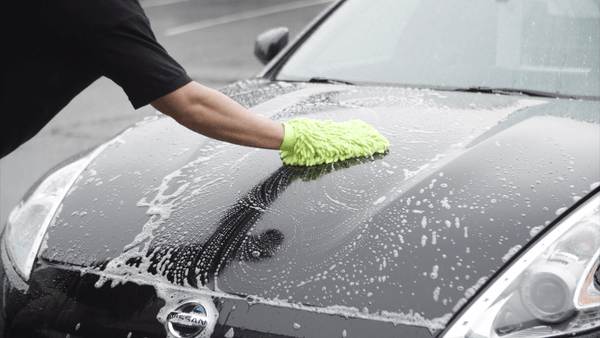
Proper washing is the first step to detailing a car well. It removes dirt and grime that can scratch the paint.
Using the right techniques keeps the car surface safe and clean. This helps later steps work better.
Using The Two-bucket Method
The two-bucket method helps reduce scratches. One bucket holds soapy water and the other holds clean water.
Dip your sponge in the soapy water to wash the car. Then rinse it in the clean water before dipping again.
- This keeps dirt out of the soap, preventing swirl marks.
- Use a soft wash mitt for best results.
- Work from top to bottom to avoid spreading dirt.
Selecting The Best Car Shampoo
Choose a car shampoo made for vehicles. Regular soap can strip wax and damage paint.
Look for shampoos that are gentle but effective at removing dirt and grease. pH-balanced shampoos protect your car’s finish.
- Avoid household detergents or dish soaps.
- Pick a shampoo that rinses off easily to reduce spots.
- Some shampoos add extra shine or wax protection.
Cleaning Wheels And Tires
Wheels and tires collect brake dust and dirt. Clean them separately from the car body.
Use a brush and a cleaner made for wheels. This helps remove tough grime without damage.
- Spray wheel cleaner and let it sit a few minutes.
- Scrub with a soft brush to reach all areas.
- Rinse wheels and tires thoroughly with water.
- Dry with a microfiber towel to avoid water spots.
Claying For Surface Smoothness
Claying is a key step in car detailing. It removes tiny particles stuck on the paint surface. This process helps make the car smooth and clean before polishing.
Using a clay bar improves the shine and feel of your vehicle. It also prepares the paint for waxing or sealing by clearing contaminants.
When And Why To Use A Clay Bar
You should use a clay bar if your car’s surface feels rough after washing. Dust, brake dust, and pollution can stick to the paint. A clay bar removes these particles.
- After washing and drying the car
- If the paint feels gritty or rough
- Before polishing or waxing the car
- To remove contaminants like tree sap, tar, and industrial fallout
- To improve paint smoothness and shine
Proper Clay Bar Technique
Using a clay bar requires care and the right steps. Follow this method to avoid scratches and get the best results.
- Wash and dry the car completely.
- Cut a piece of clay bar about the size of a small bar of soap.
- Spray a clay lubricant on a small section of the car.
- Gently rub the clay bar over the lubricated area in a back-and-forth motion.
- Check the clay for dirt; fold it to expose a clean surface as needed.
- Repeat on other sections until the entire car is smooth.
- Wipe the area with a microfiber towel after claying.
| Clay Bar Step | Tip |
| Prepare Surface | Use clean water and soap, dry fully |
| Lubricate | Use plenty of clay lubricant to avoid scratches |
| Clay Motion | Use light pressure and smooth strokes |
| Clay Maintenance | Fold clay often to reveal clean side |
| Clean Up | Wipe surface with microfiber cloth |
Credit: www.torquedetail.com
Polishing To Remove Imperfections
Polishing a car helps remove scratches, swirl marks, and other surface flaws. It improves the paint’s shine and smoothness.
Using the right polish and technique makes a big difference in results and paint protection.
Types Of Polishes And Compounds
Polishes and compounds vary in abrasiveness. Choose one based on the paint’s condition.
- Compounds:Rough abrasives that remove deep scratches and heavy oxidation.
- Polishes:Milder abrasives that refine the surface and add gloss.
- Glazes:Fill minor scratches temporarily and improve shine.
- Finishing polishes:Used last to enhance gloss and smoothness.
Machine Vs. Hand Polishing
Machine polishing uses power tools to speed up the process and improve results. Hand polishing is slower but safer for beginners.
| Polishing Method | Advantages | Disadvantages |
| Machine Polishing | Faster, better for heavy defects | Needs skill, risk of paint damage |
| Hand Polishing | Simple, low risk | Time-consuming, less effective on deep flaws |
Avoiding Common Polishing Mistakes
Polishing mistakes can harm the paint or reduce the shine. Avoid these errors for best results.
- Do not polish dirty or dusty surfaces.
- Use the correct pad and polish combination.
- Do not apply too much pressure.
- Keep the polisher moving to avoid burning the paint.
- Work in small sections for better control.
- Clean the pad often to prevent clogging.
Waxing And Sealing For Protection
Proper car detailing keeps your vehicle looking new. Waxing and sealing protect the paint from damage.
These steps add a layer that shields your car from dirt, water, and sun. They also make cleaning easier.
Choosing Between Wax And Sealant
Wax and sealant both protect your car’s paint. Wax gives a warm, natural shine. Sealants last longer and shine brighter.
Wax is made from natural ingredients. Sealants use synthetic chemicals for durability. Choose based on your needs and time.
- Wax: Best for deep, rich shine and short-term protection
- Sealant: Best for long-lasting protection and high gloss
- Wax: Easier to apply but wears off faster
- Sealant: Takes more effort but lasts several months
Application Tips For Lasting Shine
Clean your car fully before applying wax or sealant. Dirt can cause scratches under the product layer.
Use a soft applicator pad to spread the product evenly. Work in small sections for best results.
- Apply wax or sealant in a cool, shaded area
- Follow product instructions on how long to let it dry
- Buff with a clean microfiber cloth to remove residue
- Do not rush; gentle, even strokes work best
- Reapply every few months to keep protection strong
Detailing The Interior
Detailing a car’s interior is important for keeping it clean. This guide helps you focus on key areas inside the car.
Learn how to vacuum, clean upholstery, and condition surfaces. These steps make your car’s interior look and feel fresh.
Vacuuming And Dusting Techniques
Vacuuming removes dirt and dust from the car’s interior. Use a vacuum with attachments to reach small spaces.
Dusting helps in cleaning surfaces that the vacuum can’t reach. Use a microfiber cloth for best results.
- Use a crevice tool for seat gaps
- Brush attachment cleans mats
- Microfiber cloth for dashboard
Cleaning Upholstery And Carpets
Upholstery and carpets collect dirt over time. Choose a cleaner that matches the material type.
Use a brush to scrub gently on tough stains. Rinse with clean water and let it dry completely.
- Test cleaner on a small area first
- Use a soft brush for fabric seats
- Blot stains, do not rub
Conditioning Leather And Vinyl
Leather and vinyl surfaces need special care. Conditioning keeps them soft and prevents cracks.
Apply conditioner with a clean cloth. Let it sit for a few minutes, then wipe off excess.
- Use conditioner designed for car interiors
- Apply in small, circular motions
- Wipe with a dry cloth after conditioning
Finishing Touches
Finishing touches make a car look its best. They improve the car’s appearance and add value.
Pay attention to details like glass, tires, and paint. These steps will make your car shine.
Cleaning Glass And Mirrors
Clean glass gives you clear views. Use a glass cleaner that leaves no streaks.
Spray cleaner on a microfiber cloth. Wipe the glass in circular motions for a spotless finish.
- Use separate cloths for inside and outside glass
- Pay attention to edges and corners
- Clean mirrors for better visibility
Dressing Tires And Trim
Tires and trim look better when they shine. Apply dressing for a clean and new appearance.
Use a foam applicator to spread tire dressing. Avoid using too much product to prevent sling.
- Choose a water-based tire dressing for a natural look
- Wipe off excess dressing to prevent dirt attraction
- Apply trim dressing to make plastic parts pop
Removing Water Spots And Streaks
Water spots can dull the car’s finish. Remove them for a smooth, glossy look.
Use a water spot remover or vinegar solution. Apply with a soft cloth and buff gently.
- Work in small sections for best results
- Rinse the area with clean water after treatment
- Dry with a microfiber towel to prevent new spots
Maintaining Your Showroom Shine
Keeping your car looking new takes regular care. A clean, shiny car looks great and holds its value.
Simple steps can help protect your car’s paint and keep it bright. Use the right products and techniques for best results.
Regular Washing Tips
Wash your car often to remove dirt and grime. Dirt can damage the paint if left too long. Use soft cloths and gentle cleaners.
- Rinse the car with water before washing.
- Use a car wash soap, not dish detergent.
- Wash from top to bottom to avoid dirt spreading.
- Use a soft sponge or microfiber cloth.
- Rinse thoroughly to remove all soap.
- Dry with a clean, soft towel to prevent spots.
Quick Detail Sprays
Quick detail sprays help remove light dust and fingerprints between washes. They add shine and keep your car looking fresh.
| Spray Use | When to Apply | Benefits |
|---|---|---|
| Light Dust Removal | Daily or every few days | Keeps surface clean without full wash |
| Fingerprints & Smudges | After touching windows or doors | Improves appearance quickly |
| Enhance Shine | After washing and drying | Restores gloss and smooth feel |
Protecting Against Environmental Damage
Sun, rain, and dirt can harm your car’s paint. Use wax or sealants to add a strong protective layer.
- Apply wax every few months to protect paint.
- Park in shade or garage to avoid sun damage.
- Clean bird droppings and tree sap quickly.
- Use paint sealants for longer-lasting protection.
- Wash off road salt in winter to prevent corrosion.

Credit: avalonking.com
Frequently Asked Questions
What Are The Essential Steps To Detail A Car Properly?
Proper car detailing involves washing, claying, polishing, and waxing the exterior. Clean and condition the interior, including carpets and seats. Detail engine bays and wheels for a complete finish. Each step restores and protects your car’s appearance effectively.
How Often Should I Detail My Car For Best Results?
Detail your car every 4 to 6 months to maintain its shine and protection. Frequent washing helps but full detailing restores paint and interior deeply. Regular detailing prevents damage and keeps your vehicle looking new longer.
What Tools Are Needed For Effective Car Detailing?
Essential tools include microfiber cloths, car shampoo, clay bars, polishers, wax, and vacuum cleaners. Use brushes for wheels and interior crevices. Quality tools ensure thorough cleaning and protect your car’s surfaces during detailing.
Can I Detail My Car At Home Or Hire A Professional?
You can detail your car at home with the right tools and time. Professionals offer expertise and advanced equipment for superior results. Choose based on your skill level, time, and desired finish quality.
Conclusion
Properly detailing a car keeps it clean and protects its value. Taking small steps like washing, polishing, and vacuuming makes a big difference. Regular care helps your car look fresh and last longer. Detailing does not need to be hard or take much time.
Simple tools and good products can do the job well. Start today to enjoy a shiny, well-kept car every day. Your car deserves attention, and you will enjoy the results.







