
You want your car to look its best, shining like it just rolled off the showroom floor. But how do you detail a car properly to get that perfect finish?
Detailing isn’t just about washing—it’s about caring for every inch of your vehicle inside and out. In this guide, you’ll discover simple, step-by-step techniques that save you time and money while making your car stand out. Ready to transform your ride and turn heads wherever you go?
Keep reading to unlock the secrets of expert car detailing.
Preparing Your Car
Detailing a car starts with good preparation. Getting your car ready helps you clean it better.
Before you begin, make sure you have everything you need. Also, pick a good place and check your car’s condition.
Gathering Essential Supplies
Collect the right tools and products before starting. This saves time and makes the job easier.
- Car wash soap and buckets
- Microfiber towels and sponges
- Vacuum cleaner and brushes
- Glass cleaner and interior wipes
- Wax, polish, and applicator pads
Choosing The Right Location
Pick a shady, flat spot to detail your car. Avoid direct sunlight to stop soap from drying too fast.
- Driveway with shade
- Garage with open doors
- Covered parking lot
Inspecting The Vehicle Condition
Look over your car carefully. Find dirt, stains, scratches, and damage. This helps you plan your cleaning.
| Area | What to Check |
| Exterior | Scratches, dirt, paint chips |
| Interior | Stains, dust, tears on seats |
| Wheels | Brake dust, mud, tire wear |
Washing Techniques
Cleaning a car properly protects its paint and finish. Using the right washing techniques helps remove dirt without causing damage.
Following clear steps can make the process easier and more effective for every car owner.
Pre-rinse And Foam Application
Start by rinsing the car with water to remove loose dirt. This prevents scratches during washing.
Next, apply a foam or soap solution to cover the entire car. Let it sit for a few minutes to loosen grime.
Hand Washing Methods
Use a soft sponge or wash mitt for cleaning. Work from top to bottom to avoid spreading dirt.
- Dip the mitt in a bucket with soap solution.
- Gently scrub one section at a time.
- Rinse the mitt often in a clean water bucket.
- Repeat until the whole car is clean.
Rinsing And Drying Tips
| Action | Tip |
|---|---|
| Rinsing | Use a gentle stream of water to avoid scratches. |
| Drying | Use a microfiber towel to absorb water without streaks. |
| Final Check | Inspect for missed spots and dry them carefully. |
Claying The Surface
Claying a car’s surface helps remove dirt and contaminants. It makes the paint smooth and clean.
This step is important before polishing or waxing. It ensures better results and a shiny finish.
Purpose Of Clay Bar
The clay bar removes tiny particles stuck on the paint. These particles are hard to see or wash off.
It helps get rid of things like brake dust, tree sap, and road tar. This makes the surface very smooth.
Clay Bar Application Steps
Use a clay bar with a lubricant spray. The spray stops the clay from sticking to the paint.
- Wash your car first to remove loose dirt.
- Spray lubricant on a small area of the car.
- Gently rub the clay bar over that area in straight lines.
- Keep spraying lubricant as needed to avoid scratches.
- Wipe the area with a microfiber cloth after claying.
- Repeat on other parts of the car until done.
Handling Common Issues
The clay bar may pick up a lot of dirt and become dirty fast. Clean or fold it often to use a clean side.
Do not use the clay bar on dry paint. This can cause scratches. Always use enough lubricant spray.
- If the clay bar feels sticky, rinse it with water and knead it.
- If the bar is very dirty or torn, replace it with a new one.
- Use light pressure to avoid damaging the paint.
- If you find tough spots, spray more lubricant and rub gently.

Credit: www.youtube.com
Polishing For Shine
Polishing a car improves its shine and smoothness. It removes small scratches and dullness.
Using the right polish and technique makes the car look new and clean.
Selecting The Right Polish
Choose a polish made for your car’s paint type. Some polishes work better on clear coats.
Light polishes remove small scratches. Heavy polishes fix deeper marks but need care.
- Use mild polish for regular shine
- Choose cutting polish for rough surfaces
- Pick finishing polish for gloss and protection
Using A Polisher Vs. Hand Polishing
A polisher saves time and gives even results. It works well on large areas.
Hand polishing gives more control but takes longer. It is good for small spots.
- Polisher: faster, less effort, needs practice
- Hand polishing: slower, more control, good for edges
Polishing Techniques
Apply polish in small sections. Use light pressure and circular motions.
Work slowly and wipe off excess polish with a clean cloth. Repeat if needed.
- Start with clean, dry surface
- Use foam or microfiber applicator pads
- Polish in overlapping circles
- Check shine often under good light
- Remove polish residue completely
Applying Wax And Sealants
Car detailing protects your paint and keeps it shiny. Wax and sealants add a layer to guard the surface.
Both wax and sealants help protect your car. They need proper application to work well.
Differences Between Wax And Sealants
Wax is made from natural ingredients like carnauba. It gives a warm shine but lasts a few weeks.
Sealants are synthetic and last longer. They create a harder, more durable layer on the paint.
- Wax offers a natural, glossy finish
- Sealants provide longer protection, up to months
- Wax is softer and easier to apply
- Sealants resist water and dirt better
Application Methods
Start with a clean, dry car surface. Dirt or water can trap under wax or sealant.
Use a foam applicator or microfiber cloth to apply in small sections. Spread evenly in thin layers.
- Apply wax or sealant in circular motions
- Let it dry until it forms a haze
- Buff off with a clean microfiber towel
- Work on one panel at a time for best results
Maintaining The Protective Layer
Wash your car regularly to keep the wax or sealant clean. Use gentle car shampoo to avoid stripping protection.
Reapply wax every 4-6 weeks. Sealants can last 3-6 months but also need reapplication to maintain shine.
- Avoid harsh detergents or automatic car washes
- Dry the car well after washing to prevent water spots
- Check the surface for dull spots to know when to reapply
- Store applicators and towels clean for the next use
Detailing The Interior
Detailing a car’s interior makes it look clean and fresh. It involves several tasks to ensure a spotless finish.
Follow these steps to give your car’s interior a thorough cleaning. Take your time for the best results.
Vacuuming And Dusting
Vacuuming removes dirt and debris from the seats and floor. Use different attachments for hard-to-reach areas.
Dusting helps clean the dashboard, vents, and other surfaces. Use a microfiber cloth to avoid scratches.
- Use a crevice tool for tight spaces
- Brush attachments work well on fabric seats
- Microfiber cloths trap dust effectively
Cleaning Upholstery And Carpets
Upholstery and carpets collect stains and odors over time. Special cleaners can help remove tough spots.
Test any cleaning product on a small area first. This ensures it won’t damage the material.
- Spray cleaner on stains and let it sit
- Use a soft brush to scrub the area gently
- Rinse with water and blot dry with a towel
Treating Leather And Plastics
Leather seats need special care to stay soft and crack-free. Use a leather conditioner to maintain them.
Plastic parts can fade and crack if not treated. Apply a protectant to keep them looking new.
- Apply conditioner with a clean cloth
- Use gentle, circular motions on the surface
- Wipe off any excess product with a dry cloth
Cleaning Windows And Mirrors
Cleaning your car’s windows and mirrors is important for safe driving. Clear windows give you a better view of the road. Here’s how to clean them effectively.
Follow these steps to ensure your windows and mirrors are spotless and streak-free. This will make your car look great and improve visibility.
Choosing Glass Cleaners
Selecting the right glass cleaner is key. Some cleaners leave streaks or residue. You need a product specifically made for automotive glass.
- Choose ammonia-free cleaners to protect tinting.
- Look for a cleaner that dries quickly.
- Consider a spray bottle for easy application.
Streak-free Cleaning Tips
To avoid streaks, use a microfiber cloth. Paper towels can leave lint and streaks behind.
Clean in a shaded area to prevent the cleaner from drying too fast. Use a circular motion for even application.
Addressing Water Spots
Water spots can be stubborn. They form when minerals in water dry on the glass. Here’s how to deal with them.
| Solution | Ratio |
| Vinegar | 1 part |
| Water | 1 part |
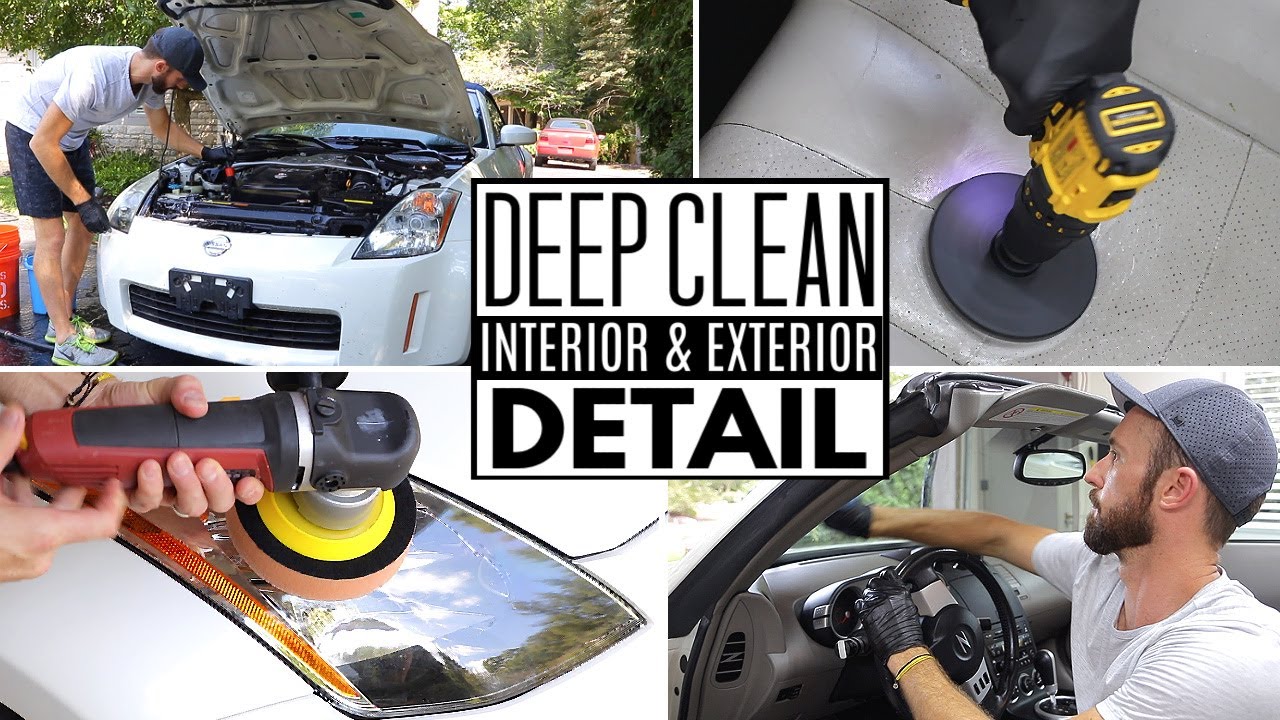
Credit: www.youtube.com
Tire And Wheel Care
Taking care of your tires and wheels keeps your car looking clean and new. Proper care also helps protect them from damage.
Regular cleaning removes dirt and harmful substances. It improves the life of your tires and wheels.
Removing Brake Dust
Brake dust can build up on your wheels and cause corrosion. Use a special wheel cleaner to remove it safely.
Spray the cleaner on the wheels and let it sit for a few minutes. Then scrub gently with a soft brush and rinse with water.
- Choose a cleaner made for your wheel type
- Avoid harsh brushes that can scratch
- Clean wheels regularly to prevent buildup
Applying Tire Dressings
Tire dressings keep tires looking shiny and new. They also protect tires from cracking and fading.
Apply the dressing with a foam applicator or cloth. Spread it evenly and avoid getting it on the brakes or wheels.
- Use water-based dressings for a natural look
- Silicone-based dressings give a glossy shine
- Apply dressings after the tires are clean and dry
Protecting Wheels
Protecting your wheels helps stop dirt and grime from sticking. A wheel sealant creates a barrier on the surface.
Apply the sealant after cleaning and drying the wheels. This makes future cleaning easier and keeps wheels shiny longer.
- Choose a sealant that fits your wheel material
- Follow product instructions for best results
- Reapply sealant every few months
Final Touches
Detailing a car is not finished until the final touches are done. These steps help make sure the car looks perfect.
Final touches include checking for missed spots, fixing small flaws, and keeping the car clean regularly.
Inspecting For Missed Spots
Look closely at the car under good light to find areas you missed. Check all sides and corners carefully.
Use a flashlight or move the car to a shaded area to see spots that shine differently. This helps spot dirt or smudges.
Touching Up Small Imperfections
Fix small scratches or smudges with a soft cloth and a little polish or wax. Be gentle to avoid damage.
Use a small brush or applicator for tight spots. This keeps the car looking smooth and clean.
- Apply polish to scratches
- Use wax for shine and protection
- Clean edges and crevices carefully
Regular Maintenance Tips
Keep the car clean by washing it regularly. Dirt can build up and damage the paint over time.
Apply wax every few months to protect the paint. Check the tires and windows for cleanliness too.
- Wash the car every 1-2 weeks
- Wax the paint every 3-4 months
- Clean wheels and tires regularly
- Wipe windows inside and out
Credit: www.waybrothersgm.com
Frequently Asked Questions
What Are The Basic Steps To Detail A Car Effectively?
Start by washing the exterior thoroughly. Next, clean and vacuum the interior. Then, apply polish and wax to protect the paint. Finally, clean windows and tires for a complete finish.
How Often Should You Detail Your Car?
Detail your car every 4 to 6 months to maintain its appearance. Regular detailing prevents dirt buildup and protects the paint and interior surfaces.
What Products Are Essential For Car Detailing?
You need car shampoo, microfiber cloths, polish, wax, and interior cleaner. Tire shine and glass cleaner are also important for a professional finish.
Can Diy Car Detailing Match Professional Results?
DIY detailing can be effective with the right tools and products. However, professionals have specialized equipment and expertise for deeper cleaning and protection.
Conclusion
Detailing a car takes time and care. Clean every part step by step. Use the right tools and products. This keeps your car looking fresh and new. Regular detailing protects your paint and interior. It also helps keep your car’s value high.
Try to detail your car often. You will enjoy driving a clean, shiny car. Simple care makes a big difference. Start your car detailing today for a better ride.







